


From Concept to Launch: How Enterprises Can Create a Scalable NFT Marketplace
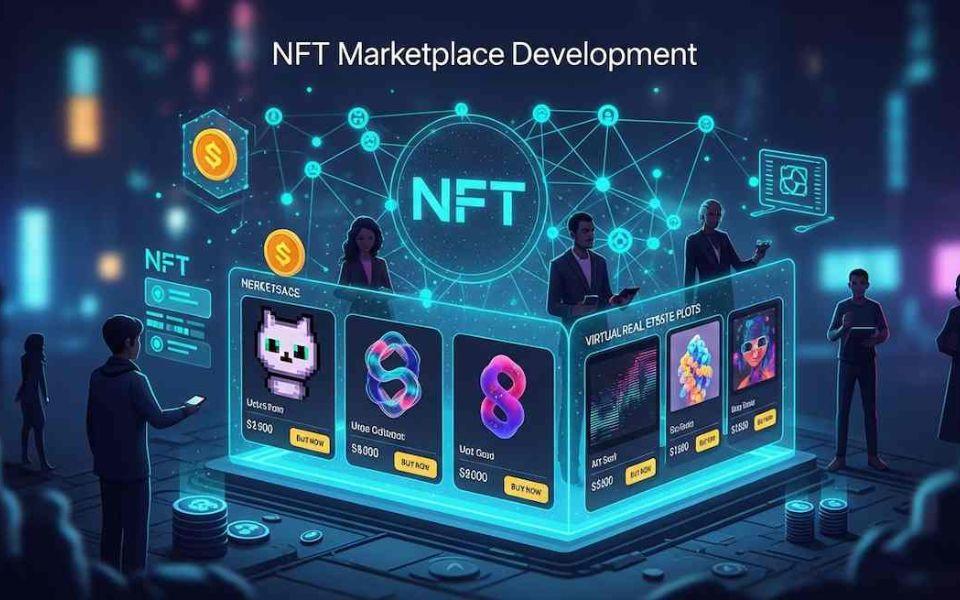
Enterprises are increasingly exploring NFTs as strategic digital assets that enhance customer engagement, open new revenue models, and support innovative business ecosystems. Creating a scalable NFT marketplace requires more than just technical deployment; it demands thoughtful planning, strong infrastructure, and user-focused experiences. From defining a business vision to maintaining long-term growth, every phase plays a vital role in ensuring sustainability. This guide walks through the essential steps enterprises must follow to build a secure, scalable, and high-performing NFT marketplace that aligns with business objectives and evolving digital trends.
Defining the Marketplace Vision and Business Model
A strong marketplace begins with a well-defined purpose and revenue structure. Enterprises must align their NFT platform with organizational goals, target industries, and customer expectations. This stage influences technology choices, platform features, and long-term scalability. By understanding user behavior and competitive positioning, businesses can develop a marketplace that delivers meaningful value rather than simply hosting digital assets. A clear business model also helps forecast growth, manage operational costs, and ensure consistent income generation while supporting creators and collectors alike.
-
Identify the target audience and niche
Enterprises should determine whether their marketplace will focus on art, gaming, digital collectibles, intellectual property, or enterprise-grade NFTs. Each niche has unique user needs and transaction patterns. A focused approach improves branding and attracts dedicated users. -
Choose the right monetization approach
Revenue can be generated through transaction commissions, NFT minting fees, premium memberships, and featured listings. Selecting balanced pricing ensures profitability without discouraging participation. -
Establish unique value propositions
Differentiation may include curated collections, enhanced security, enterprise integrations, or exclusive partnerships. Unique features help build loyalty and long-term platform engagement.
Selecting the Technology Stack and Blockchain Infrastructure
The technology framework forms the backbone of a scalable NFT marketplace. Enterprises must focus on performance, security, and flexibility when choosing blockchain networks and system architecture. The right infrastructure ensures smooth operations during high traffic periods and supports future feature expansion. From smart contracts to cloud services, each component should be optimized for speed, reliability, and cost efficiency. A scalable foundation allows enterprises to grow their user base while maintaining seamless functionality and transaction accuracy.
-
Choose a suitable blockchain network
Blockchains such as Ethereum, Polygon, Solana, or Binance Smart Chain offer different benefits related to speed, fees, and ecosystem support. Selecting the right one aligns performance with business goals. -
Implement scalable backend architecture
Cloud-based microservices enable easy expansion and faster feature deployment. This approach helps maintain platform stability even during traffic surges. -
Ensure smart contract reliability
Smart contracts automate NFT minting, transfers, royalties, and transactions. Regular audits and testing prevent vulnerabilities and protect marketplace integrity.
Designing a User-Centric Marketplace Experience
User experience directly impacts adoption and long-term success. Enterprises should create intuitive designs that simplify NFT browsing, buying, and selling while maintaining advanced functionality. A well-designed marketplace removes technical barriers for newcomers while offering powerful tools for experienced users. Seamless navigation, clear layouts, and responsive performance enhance satisfaction and encourage repeat usage. Prioritizing usability ensures that users remain engaged, confident, and comfortable interacting with digital assets on the platform.
-
Create seamless onboarding processes
Easy wallet connections, guided walkthroughs, and user education features help users start quickly without confusion. This reduces drop-off rates significantly. -
Optimize browsing and search features
Advanced filters and categorized listings allow users to discover NFTs efficiently. Improved visibility enhances marketplace activity and sales. -
Integrate secure payment gateways
Supporting crypto and fiat transactions broadens accessibility. Strong encryption and compliance improve user trust and platform credibility.
Implementing Security, Compliance, and Governance
Security and regulatory adherence are essential for enterprise-level NFT marketplaces. Users must trust that their assets, data, and transactions are protected at all times. Enterprises should implement robust security layers alongside legal frameworks that meet regional compliance standards. Transparent governance policies also help manage disputes, intellectual property rights, and royalty structures. A strong security and compliance foundation not only protects the platform but also enhances its reputation within the digital asset ecosystem.
-
Apply multi-layered security protocols
Encryption, two-factor authentication, and secure wallet integrations safeguard user accounts and transactions. Regular updates reduce cyber risks. -
Ensure legal and regulatory compliance
Addressing KYC, AML, copyright laws, and data protection regulations prevents legal complications and builds platform legitimacy. -
Establish transparent governance policies
Clear user agreements, dispute resolution processes, and royalty distribution systems promote fairness and accountability.
Scaling the Marketplace for Long-Term Growth
After launch, continuous improvement ensures the marketplace remains competitive and adaptable. Enterprises must analyze user behavior, introduce advanced features, and prepare for evolving blockchain technologies. Growth strategies should focus on enhancing engagement while maintaining platform stability. By planning scalability from the beginning, businesses can support increased transaction volumes, global users, and emerging NFT trends without performance disruptions. Long-term scalability transforms a marketplace into a sustainable digital ecosystem.
-
Monitor performance and user analytics
Tracking engagement metrics and transaction trends helps optimize features and marketing strategies for better growth. -
Introduce advanced marketplace features
Auctions, creator dashboards, loyalty rewards, and fractional ownership increase engagement and revenue opportunities. -
Prepare for future blockchain advancements
Supporting cross-chain functionality and layer-2 solutions ensures adaptability to industry innovation.
Conclusion
Building a scalable NFT marketplace requires strategic planning, technical excellence, and continuous innovation. From defining a strong business vision to implementing secure infrastructure and user-focused design, every phase contributes to long-term success. By following proven NFT marketplace development strategies, enterprises can create platforms that support growing digital economies and evolving user demands. A well-executed approach to NFT marketplace development enables businesses to maximize digital asset potential while maintaining performance, trust, and scalability in an expanding Web3 environment.

 English
 Arabic
 French
 Spanish
 Portuguese
 Deutsch
 Turkish
 Dutch
Dutch
 Russian
 Romaian
 Portuguese (Brazil)
 Greek
Greek