


GPS Tracker Detector: How to Find Hidden Tracking Devices
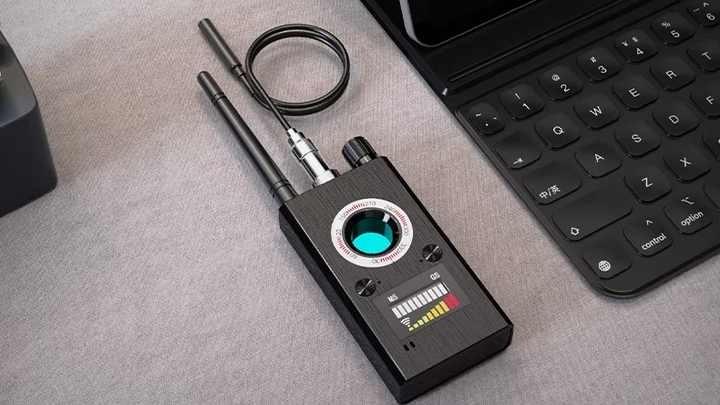
In today’s connected world, GPS tracking technology is everywhere. It is used for navigation, fleet management, stolen vehicle recovery, and even fitness tracking. While GPS trackers have many legitimate uses, they can also be misused. Hidden tracking devices are sometimes placed on vehicles, personal belongings, or even inside homes without consent.
This growing concern has made GPS tracker detectors an essential privacy and security tool. If you suspect someone is tracking your movements or you simply want peace of mind, understanding how GPS tracker detectors work and how to use them properly can make a real difference.
This guide explains everything you need to know, from how GPS trackers operate to choosing the right GPS tracker detector for your needs.
What Is a GPS Tracker Detector?
A GPS tracker detector is a device or tool designed to locate and identify hidden GPS tracking devices. It works by detecting signals emitted by trackers, such as radio frequencies, GSM signals, or Bluetooth transmissions.
Most GPS trackers transmit location data to a remote server or mobile app. To do this, they rely on wireless communication. A GPS tracker detector scans for these signals and alerts the user when suspicious activity is detected.
These detectors are commonly used by:
-
Vehicle owners
-
Privacy-conscious individuals
-
Corporate security teams
-
Law enforcement professionals
-
Journalists and public figures
Why Someone Might Use a GPS Tracker Without Consent
Not all tracking is illegal or unethical, but unauthorized tracking is a serious privacy violation. Some common misuse scenarios include:
-
Vehicle stalking by an ex-partner or acquaintance
-
Corporate espionage, where competitors track company vehicles
-
Illegal surveillance of journalists or activists
-
Theft monitoring, where criminals track high-value vehicles or goods
-
Unauthorized employee tracking
In many regions, placing a GPS tracker on someone’s vehicle without permission is illegal. A GPS tracker detector helps you identify threats before they turn into serious problems.
How GPS Trackers Work
To understand how a GPS tracker detector functions, it helps to know how GPS trackers operate.
Core Components of a GPS Tracker
-
GPS module to determine location
-
SIM or data transmitter to send location data
-
Power source, either battery-powered or hardwired
-
Antenna for signal transmission
Once installed, the tracker periodically sends location updates using cellular networks or short-range wireless signals.
How a GPS Tracker Detector Works
A GPS tracker detector scans the surrounding area for unusual or persistent signals commonly used by tracking devices.
Detection Methods Include:
-
RF signal scanning to find radio frequency emissions
-
GSM signal detection for SIM-based trackers
-
Bluetooth scanning for low-energy trackers
-
Magnetic field detection for magnet-mounted devices
When a signal exceeds a certain threshold or behaves abnormally, the detector alerts the user through sound, vibration, or visual indicators.
Types of GPS Tracker Detectors
Different situations require different detection tools. Below are the most common types of GPS tracker detectors.
1. RF GPS Tracker Detectors
These are the most popular and effective. They scan a wide range of frequencies and can detect most wireless trackers.
Best for:
-
Vehicles
-
Offices
-
Personal belongings
2. Smartphone GPS Tracker Detection Apps
Some mobile apps can detect Bluetooth or Wi-Fi based trackers. While convenient, they are limited compared to dedicated hardware detectors.
Best for:
-
Casual checks
-
Bluetooth trackers
3. Professional GPS Tracker Detectors
Used by security professionals, these offer high sensitivity, signal analysis, and advanced filtering.
Best for:
-
Corporate security
-
High-risk individuals
Where GPS Trackers Are Commonly Hidden
If you are using a GPS tracker detector, you should scan the most common hiding spots first.
In Vehicles:
-
Under the car body
-
Inside wheel wells
-
Behind bumpers
-
Under seats
-
Inside the glove compartment
-
Near the OBD port
On Personal Items:
-
Bags and backpacks
-
Laptop cases
-
Toolboxes
-
Bike frames
Inside Homes or Offices:
-
Power outlets
-
Furniture gaps
-
Decorative items
-
Storage rooms
A systematic scan with a GPS tracker detector significantly improves detection accuracy.
How to Use a GPS Tracker Detector Effectively
Using a GPS tracker detector correctly is just as important as owning one.
Step-by-Step Process:
-
Turn off known wireless devices like phones and smartwatches
-
Move slowly while scanning, especially around metal surfaces
-
Pay attention to repeated signal spikes
-
Scan the same area from multiple angles
-
If detected, visually inspect the area carefully
Rushing the process often leads to missed trackers or false alarms.
Key Features to Look for in a GPS Tracker Detector
If you are planning to buy a GPS tracker detector, consider these features:
-
Wide frequency range
-
High sensitivity levels
-
Adjustable detection modes
-
Clear alert system
-
Rechargeable battery
-
Compact and portable design
A good GPS tracker detector balances sensitivity with accuracy to avoid false positives.
Legal and Ethical Considerations
Using a GPS tracker detector is legal in most regions, but laws vary. While detecting trackers on your own property is usually allowed, interfering with tracking devices owned by law enforcement or employers may have legal implications.
Always:
-
Check local privacy and surveillance laws
-
Avoid tampering with evidence
-
Contact authorities if you find suspicious devices
A GPS tracker detector is a defensive tool, not a license to confront or damage property.
GPS Tracker Detector vs GPS Jammer
It is important to understand the difference.
| GPS Tracker Detector | GPS Jammer |
|---|---|
| Detects tracking signals | Blocks GPS signals |
| Legal in most regions | Often illegal |
| Passive scanning | Active interference |
| Privacy-focused | Disruptive |
A GPS tracker detector is the safer and legal choice for personal protection.
Who Should Use a GPS Tracker Detector?
A GPS tracker detector is useful for many people, including:
-
Private car owners
-
Ride-share drivers
-
Fleet managers
-
Journalists
-
Executives
-
High-net-worth individuals
-
Anyone concerned about privacy
As tracking technology becomes cheaper and more accessible, detection tools become equally important.
Future of GPS Tracker Detection Technology
Detection technology is evolving rapidly. Modern GPS tracker detectors are now integrating:
-
AI-based signal analysis
-
Pattern recognition
-
Mobile app connectivity
-
Cloud-based threat updates
As trackers become smaller and smarter, detectors are also becoming more accurate and user-friendly.
Common Myths About GPS Tracker Detectors
Myth 1: Smartphones Can Detect All GPS Trackers
Reality: Phones can only detect certain Bluetooth devices.
Myth 2: GPS Trackers Are Always Active
Reality: Many trackers transmit intermittently to save power.
Myth 3: Visual Inspection Is Enough
Reality: Most trackers are designed to stay hidden.
A dedicated GPS tracker detector remains the most reliable solution.
Final Thoughts
A GPS tracker detector is no longer a niche security gadget. It is a practical tool for anyone who values privacy and personal safety. Whether you want to protect your vehicle, your movements, or your peace of mind, using a reliable detector helps you stay in control.
Hidden tracking is a real issue, but with the right knowledge and the right tools, it is also manageable. Investing in a GPS tracker detector is a proactive step toward protecting your privacy in an increasingly monitored world.

 English
 Arabic
 French
 Spanish
 Portuguese
 Deutsch
 Turkish
 Dutch
Dutch
 Italiano
 Romaian
 Portuguese (Brazil)
 Greek
Greek