


Chlamydia Test FAQs: Answers to Common Patient Questions
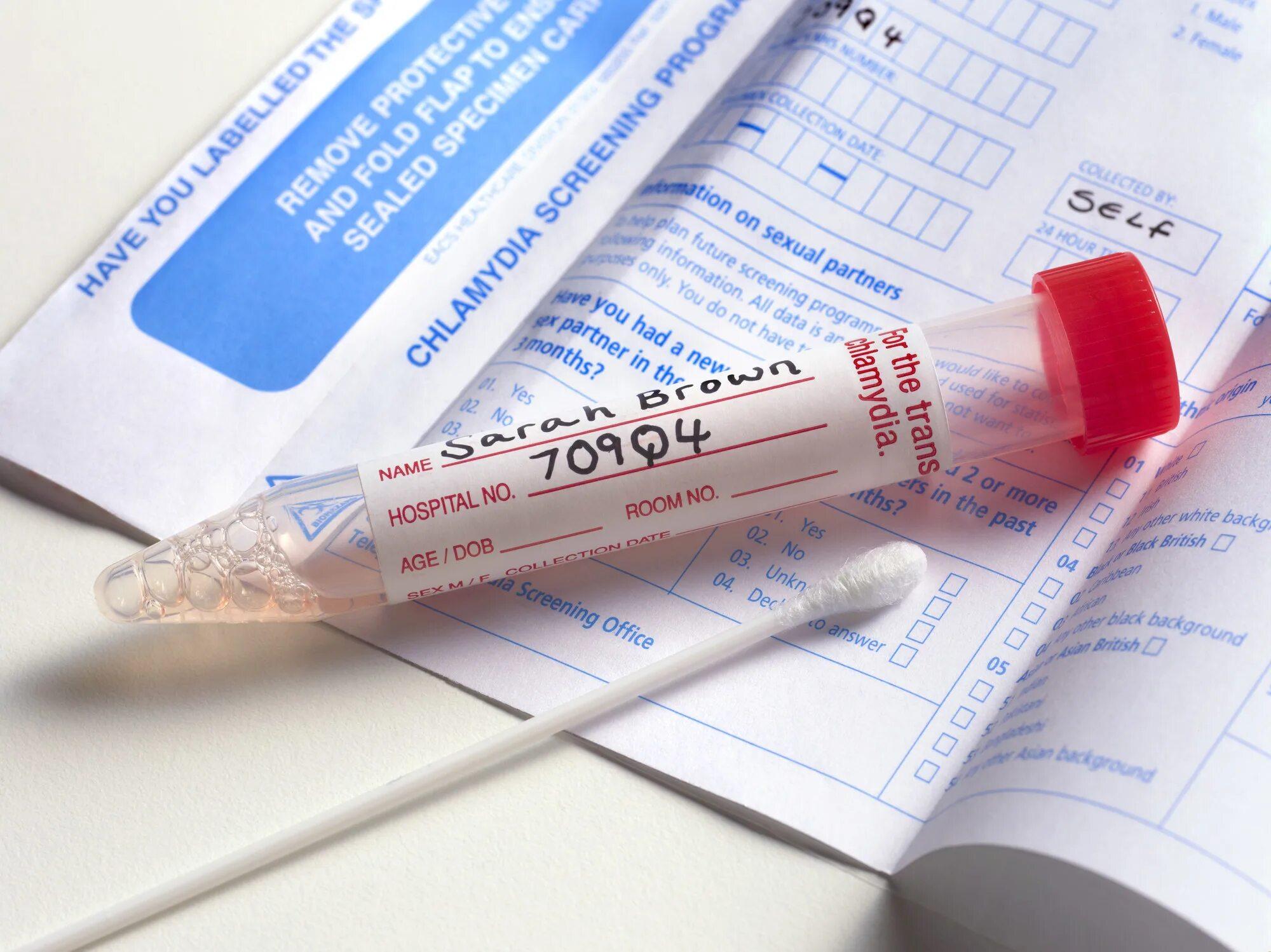
Chlamydia testing is a routine part of sexual health care, but many individuals have questions about how the Chlamydia Test in Dubai works, what to expect, and how to interpret results. Understanding the answers to common questions can reduce anxiety, clarify the testing process, and help patients take informed steps toward maintaining their sexual and reproductive health.
What Is a Chlamydia Test?
A chlamydia test detects the presence of Chlamydia trachomatis bacteria in the body. Tests are used to identify active infections, even in individuals who do not show symptoms. Early detection allows for prompt treatment, preventing complications such as pelvic inflammatory disease, infertility, or chronic pain.
Modern tests primarily use nucleic acid amplification tests (NAATs), which are highly sensitive and accurate, detecting bacterial DNA or RNA from urine or swab samples.
Who Should Get Tested for Chlamydia?
Testing is recommended for sexually active individuals, particularly those under 25, those with multiple sexual partners, and anyone who has had unprotected sex or a new sexual partner. Pregnant women should also undergo testing to protect the baby from potential infection.
Even individuals in long-term monogamous relationships may need testing if there has been a potential exposure or risk factor, as chlamydia can be asymptomatic.
How Is the Test Performed?
Chlamydia testing can involve a urine sample or a swab collected from the cervix, vagina, urethra, rectum, or throat. Urine tests are non-invasive and simple, while swabs are collected either by a healthcare professional or self-collected following instructions.
The sample is then analyzed in a laboratory using NAATs to detect the presence of bacterial genetic material with high accuracy.
Does a Chlamydia Test Hurt?
Most chlamydia tests are minimally invasive. Urine tests are painless, while swab collection may cause brief discomfort or a sensation of pressure that lasts only seconds. Healthcare providers are trained to make the process quick and as comfortable as possible, and most patients report tolerable or minor sensations during swabbing.
How Long Does It Take to Get Results?
Results typically take a few days to a week, depending on the laboratory and type of test. Many clinics and at-home testing services provide secure online portals or phone notifications for results. Prompt follow-up is important if the test is positive to begin treatment and prevent further transmission.
Can Chlamydia Be Detected Early?
Yes, chlamydia can be detected early using NAATs, but timing is critical. Testing too soon after exposure may produce a false-negative result because bacteria need time to multiply to detectable levels. Healthcare providers generally recommend waiting 7 to 14 days after potential exposure before testing.
What Do Positive and Negative Results Mean?
A positive result confirms the presence of Chlamydia trachomatis bacteria and requires antibiotic treatment. Partner notification and testing are essential to prevent reinfection and further transmission.
A negative result indicates no infection was detected at the time of testing. However, if exposure was recent, repeat testing may be recommended to ensure accuracy.
What If the Result Is Inconclusive?
Occasionally, results may be indeterminate due to insufficient sample collection, contamination, or laboratory issues. In such cases, retesting is necessary to confirm infection status and ensure reliable results.
How Often Should I Get Tested?
Routine testing frequency depends on age, sexual activity, and risk factors. Young adults under 25, individuals with multiple partners, or those engaging in high-risk sexual behavior may benefit from testing every three to twelve months. Regular testing ensures early detection and reduces long-term health risks.
Can I Test at Home?
At-home Chlamydia Test kits are available and use the same reliable NAAT method as clinic-based testing. Kits typically involve urine collection or self-swabbing, which is then mailed to a certified laboratory. At-home testing offers privacy and convenience while maintaining high accuracy.
Final Thoughts on Chlamydia Test FAQs:
Understanding common questions about chlamydia testing helps patients approach sexual health proactively and confidently. Routine testing, accurate sample collection, and timely follow-up are essential for preventing complications, protecting partners, and maintaining reproductive health.
By addressing concerns about test methods, timing, and results, individuals can make informed decisions and integrate regular chlamydia screening into responsible sexual health practices.

 English
 Arabic
 French
 Spanish
 Portuguese
 Deutsch
 Dutch
Dutch
 Italiano
 Russian
 Romaian
 Portuguese (Brazil)
 Greek
Greek