


Why Is Environmental Testing Equipment Essential for Product Testing?
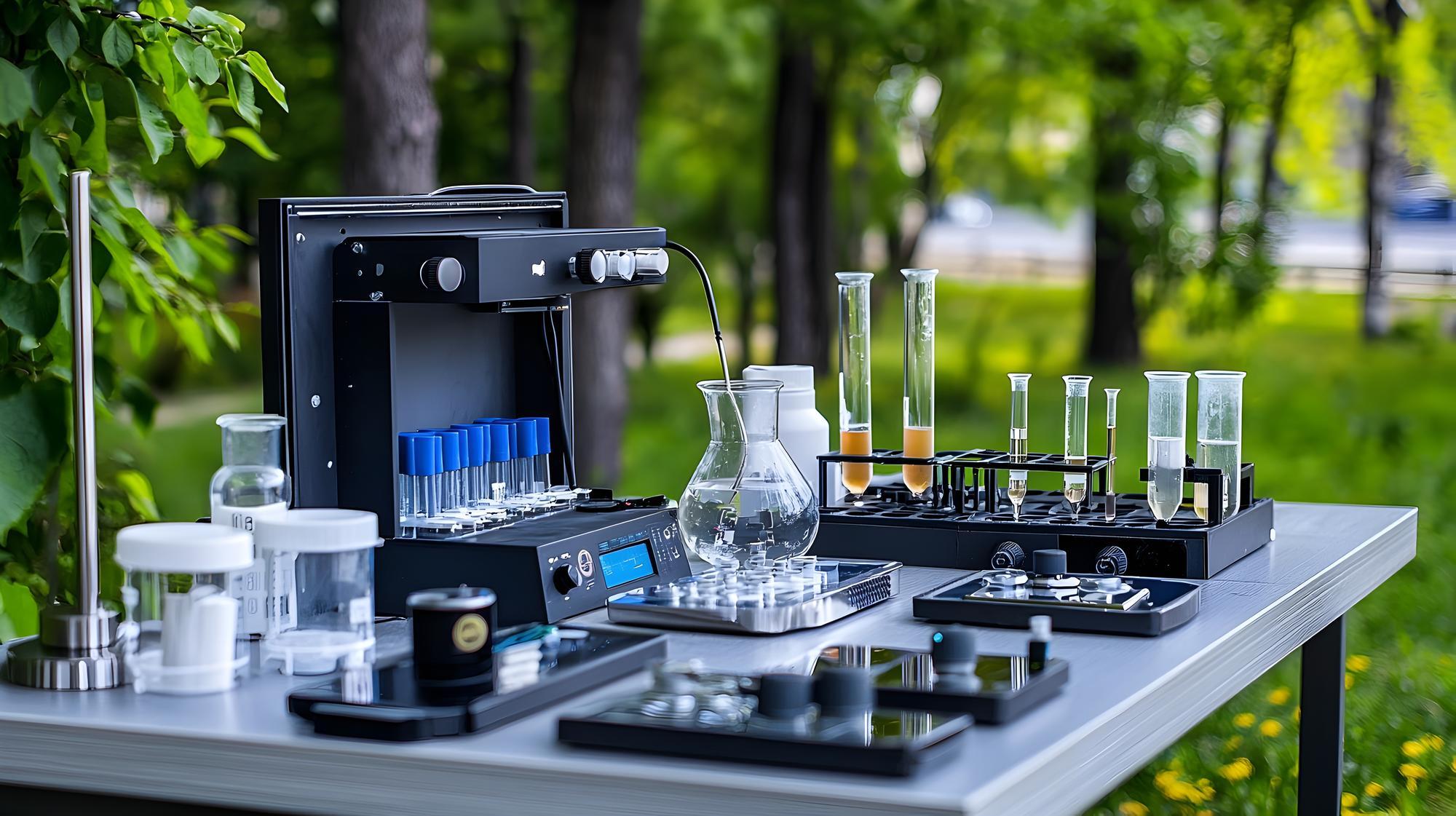
Before a product reaches the market, it goes through more than just design checks and performance trials. It must prove that it can survive real-world conditions. Heat, humidity, vibration, dust, and sudden temperature changes can all affect how a product performs over time. This is exactly why environmental testing equipment plays such a critical role in modern product testing.
From electronics and automotive parts to packaging, pharmaceuticals, and industrial components, manufacturers rely on controlled testing environments to identify weaknesses early and ensure long-term reliability.
Understanding environmental testing in simple terms
Environmental testing simulates the conditions a product will face during storage, transport, and daily use. Instead of waiting for failures to happen in the field, manufacturers recreate these environments in a controlled lab setting.
Using environmental testing equipment, engineers can expose products to extreme temperatures, moisture levels, pressure changes, or mechanical stress and observe how they respond. This proactive approach helps prevent costly recalls, warranty claims, and reputational damage.
1) Ensures product reliability and durability
One of the main reasons environmental testing equipment is essential is reliability. A product may work perfectly in a lab at room temperature, but real conditions are rarely that forgiving.
Environmental tests help answer questions like:
-
Will the product still work in extreme heat or cold?
-
How does it behave in high humidity?
-
Does repeated stress reduce its lifespan?
By identifying failure points early, manufacturers can improve designs and materials before mass production.
2) Helps meet industry standards and regulations
Many industries are governed by strict quality and safety standards. Products often need to comply with international or regional regulations before they can be sold.
Environmental testing equipment helps manufacturers demonstrate compliance with these standards by providing measurable, documented results. This is especially important in sectors such as electronics, automotive, aerospace, medical devices, and packaging, where non-compliance can stop a product from entering the market.
3) Reduces long-term costs and product failures
Skipping proper environmental testing may save time initially, but it often leads to higher costs later. Field failures are expensive — not just financially, but also in terms of brand trust.
By using environmental testing equipment during development, manufacturers can:
-
reduce rework and redesign costs
-
minimize warranty claims
-
avoid large-scale product recalls
-
improve customer satisfaction
In the long run, testing upfront is far more cost-effective than fixing problems after launch.
4) Improves product safety
Safety is non-negotiable, especially for products used by consumers or in critical industrial environments. Environmental stress can expose risks that aren’t obvious during standard testing.
For example, temperature changes may affect electrical insulation, humidity may cause corrosion, and vibration can loosen internal components. Environmental testing equipment helps identify these risks before products reach end users, making them safer and more dependable.
5) Supports innovation and faster development
Innovation often involves new materials, designs, or technologies. With innovation comes uncertainty. Environmental testing allows teams to experiment confidently, knowing they can validate performance under controlled conditions.
Using environmental testing equipment, engineers can test multiple prototypes quickly, compare results, and refine designs faster. This shortens development cycles while maintaining quality.
6) Ensures consistency across production batches
Consistency is a major challenge in large-scale manufacturing. A product tested once isn’t enough — performance must remain consistent across batches.
Routine testing using environmental testing equipment helps manufacturers monitor production quality and detect variations early. This ensures that customers receive the same level of performance every time.
7) Builds customer trust and brand credibility
Customers may not see the testing process, but they experience the results. Products that perform reliably in different environments earn trust over time.
Companies that invest in proper testing often gain a reputation for quality and durability. This is especially important in competitive markets where buyers have many alternatives.
Choosing the right testing approach
Not all testing needs are the same. Selecting the right environmental testing equipment depends on factors such as:
-
product type and application
-
expected environmental exposure
-
compliance requirements
-
testing frequency and scale
Working with experienced suppliers helps ensure the equipment matches real testing needs rather than just ticking a checkbox.
Conclusion
If product quality, compliance, and long-term reliability matter to your business, investing in the right testing tools is essential. apex instrument supports manufacturers and laboratories with dependable testing solutions designed to simulate real-world conditions accurately. Get in touch today to strengthen your product testing process and reduce risks before products reach the market.
FAQs
1) What industries commonly use environmental testing equipment?
Industries such as electronics, automotive, aerospace, packaging, pharmaceuticals, and industrial manufacturing commonly rely on environmental testing to validate product performance and safety.
2) Is environmental testing only needed for large manufacturers?
No. Even small and mid-sized manufacturers benefit from testing, especially when launching new products or entering regulated markets.
3) How early should environmental testing be done in product development?
Testing should begin during the prototype stage and continue through production to ensure design improvements and consistency.
4) Can environmental testing help with material selection?
Yes. Testing different materials under controlled conditions helps engineers choose options that perform better over time. In some industrial workflows, chemical performance also plays a role, and suppliers like Apex Instrument support material-related evaluations where environmental exposure is a factor.

 English
 Arabic
 French
 Spanish
 Portuguese
 Deutsch
 Turkish
 Dutch
Dutch
 Italiano
 Russian
 Portuguese (Brazil)
 Greek
Greek