


The Ever-Evolving World of Cosmetics: Beauty, Science, and Self-Expression
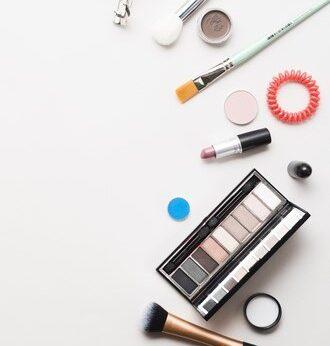
Cosmetics have been an integral part of human culture for thousands of years, evolving from ancient rituals to a booming global industry. Today, the cosmetic industry is worth over half a trillion dollars and continues to grow with each passing year. But what exactly defines a cosmetic, and why are cosmetic products more than just tools for enhancing appearance?
In this article, we’ll explore the meaning and history of cosmetics, current beauty trends, the science behind your favorite skincare and makeup items, and the rise of organic cosmetics and cosmetic surgery. Whether you're a beauty enthusiast or simply curious, this guide will walk you through everything you need to know about the modern cosmetic landscape.
What Are Cosmetics?
Cosmetics are substances or products used to enhance or alter the appearance or fragrance of the body. According to the FDA, cosmetics include items such as:
-
Skincare products (moisturizers, serums, sunscreens)
-
Makeup (foundation, lipstick, mascara)
-
Haircare (shampoo, conditioner, hair color)
-
Fragrances
-
Personal hygiene products (deodorants, body washes)
Cosmetics differ from drugs in that they are not intended to affect the structure or function of the body. However, many cosmetic products now straddle the line between beauty and science, especially those with anti-aging or acne-fighting properties.
A Brief History of Cosmetics
The use of cosmetics dates back to ancient Egypt, where both men and women used eyeliner, oils, and perfumes. In ancient Greece and Rome, natural ingredients like olive oil, honey, and crushed berries were popular in skincare and makeup routines.
Throughout history, beauty standards have changed, but the desire to express oneself through cosmetic enhancement has remained constant. From the powdered wigs of the 18th century to the bold eye makeup of the 1960s and the dewy skin trend of today, cosmetics continue to reflect cultural values and personal identity.
The Cosmetic Industry Today
The global cosmetic industry is one of the most dynamic and competitive markets. In 2025, the global market is projected to surpass $600 billion, driven by innovation, e-commerce, and growing demand in emerging economies.
Some of the major segments include:
-
Skincare – The largest sector, encompassing cleansers, moisturizers, anti-aging creams, and more.
-
Makeup – Foundation, eye shadow, lipstick, and other color cosmetics.
-
Haircare – Shampoos, treatments, hair color, and styling products.
-
Fragrances – Perfumes, colognes, and body mists.
-
Men’s grooming – A rapidly growing category that includes skincare, beard care, and hair styling.
Leading beauty brands like L'Oréal, Estée Lauder, Unilever, and Procter & Gamble continue to dominate the market, while indie beauty brands and K-beauty products have gained global traction thanks to social media and influencer marketing.
Skincare: The Science of Beauty
In recent years, skincare has become more than just a routine—it's a global movement. Consumers today are more informed and conscious of the ingredients in their products. They seek transparency, efficacy, and science-backed formulations.
Key skincare trends include:
-
Clean beauty – Products made without harmful or controversial ingredients.
-
Organic cosmetics – Formulas using natural, sustainably sourced ingredients.
-
Dermocosmetics – Products developed with dermatologists that target specific skin concerns.
-
SPF awareness – Daily sunscreen use is now a core part of skincare, preventing premature aging and skin cancer.
Ingredients like hyaluronic acid, retinol, niacinamide, and vitamin C are frequently used to improve skin texture, reduce fine lines, and treat acne or pigmentation.
Makeup: Art Meets Innovation
Makeup is one of the most expressive forms of cosmetics. From subtle "no-makeup" looks to bold, editorial styles, makeup allows individuals to showcase personality, creativity, and cultural identity.
Modern makeup trends include:
-
Skinimalism – A minimalist approach that embraces natural skin and light coverage.
-
Bold eyes and brows – Graphic liners, colored mascara, and defined brows are making a statement.
-
Multi-use products – Lip and cheek tints or all-in-one palettes are favored for convenience and versatility.
-
Inclusive beauty – Brands are now offering broader shade ranges to match all skin tones, promoting diversity in beauty.
Makeup products have also become more skin-friendly, often infused with skincare ingredients for hybrid benefits.
Cosmetic Surgery and Medical Aesthetics
The line between cosmetics and medicine has blurred in recent years with the rise of cosmetic surgery and non-invasive aesthetic procedures. Treatments such as Botox, dermal fillers, laser resurfacing, and chemical peels are now widely accessible and socially accepted.
Some key drivers of this trend:
-
The rise of social media and video calls, which make people more conscious of their appearance.
-
Increased focus on "preventative aging".
-
Short recovery times and relatively affordable pricing compared to traditional surgery.
Procedures like rhinoplasty, facelifts, and lip augmentation are no longer limited to celebrities—they’re now a regular part of many people's beauty maintenance routines.
The Rise of Organic and Sustainable Cosmetics
As consumers become more environmentally and health-conscious, organic cosmetics and sustainable beauty have become important movements within the industry.
Features of eco-friendly cosmetics include:
-
Natural ingredients free from synthetic chemicals or GMOs
-
Cruelty-free and vegan formulations
-
Recyclable or refillable packaging
-
Ethical sourcing and fair trade practices
Brands like The Body Shop, Drunk Elephant, and Tata Harper have built loyal customer bases by prioritizing sustainability and transparency.
Beauty Trends in the Digital Age
Technology is reshaping how consumers discover and buy cosmetics. Augmented reality (AR) apps now let users virtually try on makeup before purchasing. AI-powered skincare analysis can recommend personalized products based on facial scans or questionnaires.
Additionally, platforms like TikTok, Instagram, and YouTube continue to influence trends and product launches. Viral products can sell out in minutes, thanks to influencers and beauty content creators.
E-commerce platforms and direct-to-consumer (DTC) brands allow consumers to purchase cosmetics from anywhere in the world, often with detailed reviews and tutorials.
Conclusion
Cosmetics are far more than surface-level enhancements—they are powerful tools of self-expression, self-care, and confidence. As the cosmetic industry continues to evolve, it embraces innovation, diversity, and sustainability, reflecting the values of modern consumers.

 Arabic
 French
 Spanish
 Portuguese
 Deutsch
 Turkish
 Dutch
Dutch
 Italiano
 Russian
 Romaian
 Portuguese (Brazil)
 Greek
Greek