


Syphon Tube: Types, Working Principle, Applications & Benefits
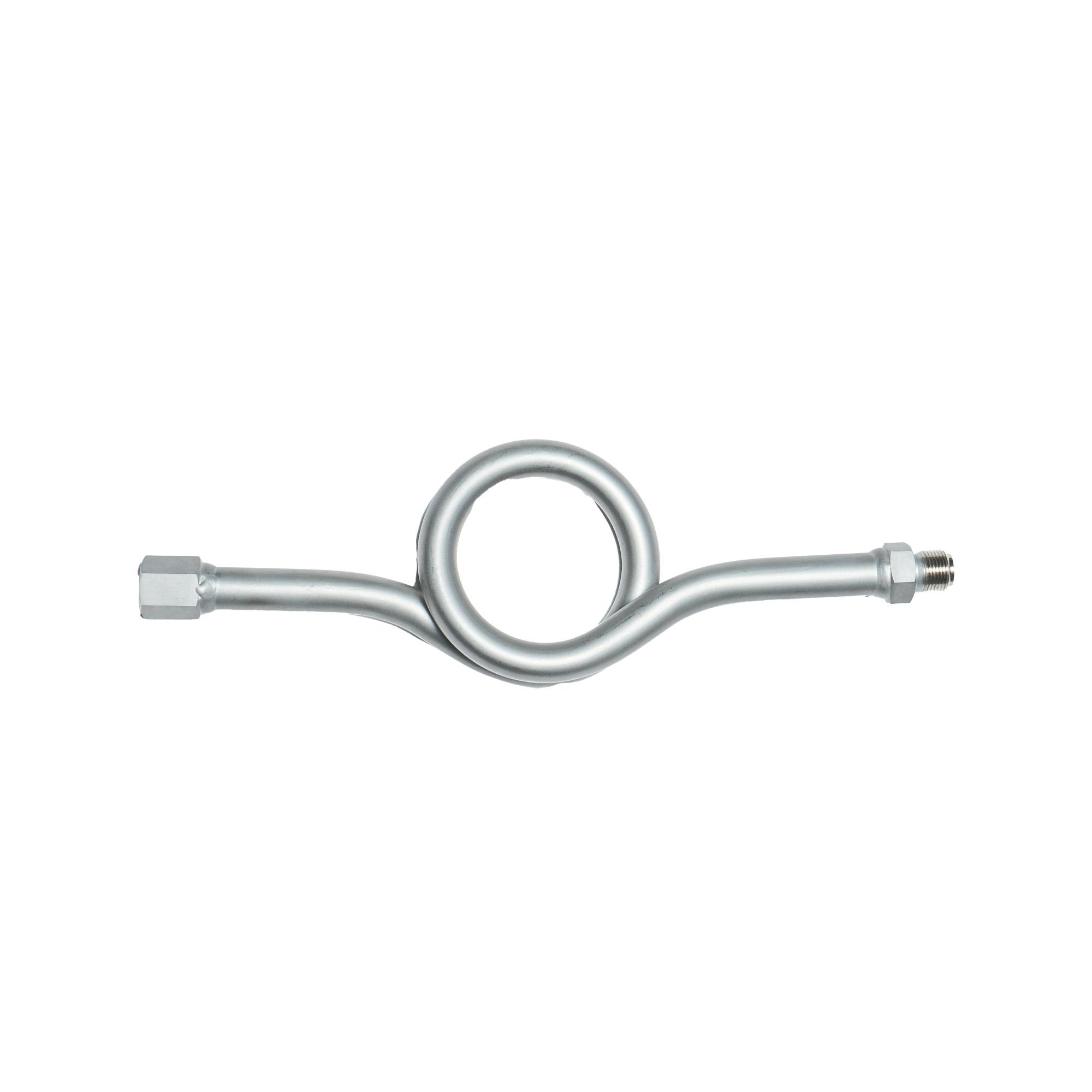
A syphon tube is a critical accessory used with pressure gauges to protect them from extreme temperatures, pressure fluctuations, and corrosive media. Commonly installed between the pressure gauge and the process line, syphon tubes play a vital role in extending gauge life and ensuring accurate pressure readings in demanding industrial environments.
What Is a Syphon Tube?
A syphon tube is a curved or coiled metal tube designed to trap condensate and create a barrier between hot or aggressive process fluids and sensitive pressure-measuring instruments. It is most commonly used in steam, high-temperature liquids, and corrosive fluid applications.
By retaining a column of fluid, the syphon tube prevents direct contact between the hot media and the pressure gauge, significantly reducing thermal shock and mechanical stress.
Working Principle of a Syphon Tube
The working mechanism of a syphon tube is simple yet highly effective. When installed, the tube fills with the process fluid or condensate, forming a liquid seal. This seal:
-
Absorbs heat from hot media such as steam
-
Dampens pressure pulsations
-
Prevents sudden pressure spikes from reaching the gauge
As a result, the pressure gauge measures stable pressure while remaining protected from damaging conditions.
Types of Syphon Tubes
Syphon tubes are available in different shapes to suit various installation requirements:
1. P-Type (Pigtail) Syphon Tube
The most commonly used design, especially for steam applications. Its coiled shape provides excellent heat dissipation and pressure damping.
2. U-Type Syphon Tube
Designed for compact installations where space is limited. It offers good protection against temperature and pressure surges.
3. Coil-Type Syphon Tube
Features multiple loops for enhanced heat absorption and vibration resistance, suitable for high-pressure systems.
Materials Used for Syphon Tubes
The material selection depends on the process fluid and operating conditions. Common materials include:
-
Carbon Steel – Suitable for non-corrosive applications
-
Stainless Steel (SS 304, SS 316) – Ideal for corrosive and high-temperature environments
-
Alloy Steel & Special Alloys – Used in chemical, oil & gas, and petrochemical industries
Stainless steel syphon tubes are widely preferred due to their corrosion resistance, durability, and long service life.
Applications of Syphon Tubes
Syphon tubes are used across a wide range of industries, including:
-
Steam boilers and condensate lines
-
Power plants
-
Oil and gas processing units
-
Chemical and petrochemical plants
-
Refineries
-
Pharmaceutical and food processing industries
They are especially essential wherever pressure gauges are exposed to steam, hot liquids, or pulsating pressure conditions.
Benefits of Using a Syphon Tube
Installing a syphon tube offers several operational advantages:
-
Protects pressure gauges from high temperature
-
Improves gauge accuracy and stability
-
Reduces maintenance and replacement costs
-
Extends the service life of pressure instruments
-
Minimizes gauge failure due to pressure surges
Installation Guidelines
For optimal performance, syphon tubes should be installed vertically between the pressure source and the gauge. In steam applications, the tube should be pre-filled with water to ensure immediate protection. Proper tightening and alignment help prevent leakage and measurement errors.
Conclusion
A syphon tube may seem like a small component, but it plays a crucial role in protecting pressure gauges and maintaining reliable pressure measurement. By reducing heat transfer, absorbing pressure shocks, and shielding gauges from aggressive media, syphon tubes ensure safer and more efficient industrial operations. Selecting the right type and material based on your application is key to long-term performance and accuracy.

 English
 Arabic
 French
 Spanish
 Portuguese
 Deutsch
 Turkish
 Dutch
Dutch
 Italiano
 Russian
 Romaian
 Greek
Greek