


Stainless Steel 316 Pipe: Properties, Applications, and Advantages
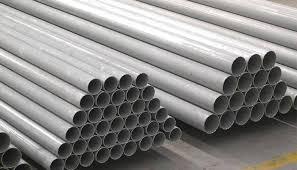
Stainless steel 316 pipe is a widely used piping solution in industries that require superior corrosion resistance, strength, and long-term reliability. With the addition of molybdenum to its chemical composition, SS 316 offers enhanced resistance to aggressive environments, making it suitable for both high-temperature and corrosive service conditions.
What Is Stainless Steel 316 Pipe?
Stainless steel 316 pipe is manufactured from an austenitic stainless steel alloy containing chromium, nickel, and molybdenum. This combination provides excellent resistance to pitting and crevice corrosion, particularly in chloride-rich environments. SS 316 pipes are available in seamless and welded forms, with various schedules and sizes to meet different pressure and flow requirements.
Chemical Composition and Key Properties
The presence of molybdenum distinguishes SS 316 from other common stainless steel grades such as 304. This element significantly improves resistance to corrosion caused by salts, acids, and chemicals.
Key properties include:
-
Excellent corrosion and oxidation resistance
-
Superior resistance to pitting and crevice corrosion
-
Good mechanical strength at elevated temperatures
-
Non-magnetic in annealed condition
-
Smooth internal surface for efficient fluid flow
Types of Stainless Steel 316 Pipes
Stainless steel 316 pipes are available in different types based on manufacturing method and application:
Seamless Stainless Steel 316 Pipe
Seamless pipes are produced without a welded seam, offering uniform strength and superior pressure resistance. They are commonly used in high-pressure and critical applications.
Welded Stainless Steel 316 Pipe
Welded pipes are manufactured by forming and welding stainless steel strips or plates. They are cost-effective and suitable for low to medium pressure systems.
Manufacturing Process
SS 316 pipes are manufactured through hot extrusion or cold drawing for seamless pipes, and rolling plus welding for welded pipes. Post-manufacturing processes such as solution annealing, pickling, and passivation are carried out to restore corrosion resistance and improve surface finish.
Applications of Stainless Steel 316 Pipe
Due to its excellent performance, stainless steel 316 pipe is widely used in various industries:
Chemical and Petrochemical Industry
Used in pipelines, reactors, and heat exchangers handling corrosive chemicals and acids.
Oil and Gas Industry
Applied in offshore platforms, refineries, and processing plants where exposure to chlorides and harsh environments is common.
Marine and Coastal Applications
Ideal for seawater piping systems, desalination plants, and shipbuilding due to its resistance to saltwater corrosion.
Pharmaceutical and Food Processing
Preferred for hygienic piping systems where cleanliness, corrosion resistance, and durability are critical.
Power Generation
Used in boilers, heat exchangers, and condensers operating at high temperatures and pressures.
Industries often rely on an experienced stainless steel 316 pipe supplier to ensure compliance with standards, consistent quality, and reliable performance in critical piping systems.
Advantages of Stainless Steel 316 Pipe
Using stainless steel 316 pipe offers several benefits:
-
Long service life in corrosive environments
-
Reduced maintenance and replacement costs
-
Excellent weldability and fabrication properties
-
High strength and pressure-handling capability
-
Reliable performance in extreme conditions
Welding and Fabrication
Stainless steel 316 pipes can be easily welded using TIG, MIG, and SMAW methods. Proper filler material selection and clean welding practices help maintain corrosion resistance and mechanical strength. Post-weld heat treatment is generally not required unless specified by the application.
Comparison with Stainless Steel 304 Pipe
While both SS 304 and SS 316 offer good corrosion resistance, SS 316 performs better in chloride-rich and chemical environments due to molybdenum content. For marine, chemical, and high-temperature applications, SS 316 pipe is the preferred choice.
Conclusion
Stainless steel 316 pipe is a durable, corrosion-resistant, and versatile piping solution for demanding industrial applications. Its ability to withstand harsh environments, high temperatures, and pressure makes it ideal for chemical, marine, oil and gas, and pharmaceutical industries. Choosing the right type, size, and specification of SS 316 pipe ensures long-term efficiency and operational safety.

 English
 Arabic
 French
 Spanish
 Portuguese
 Deutsch
 Turkish
 Dutch
Dutch
 Italiano
 Russian
 Romaian
 Greek
Greek