


Creating a Token on Solana Blockchain: Expert Guide and Best Practices
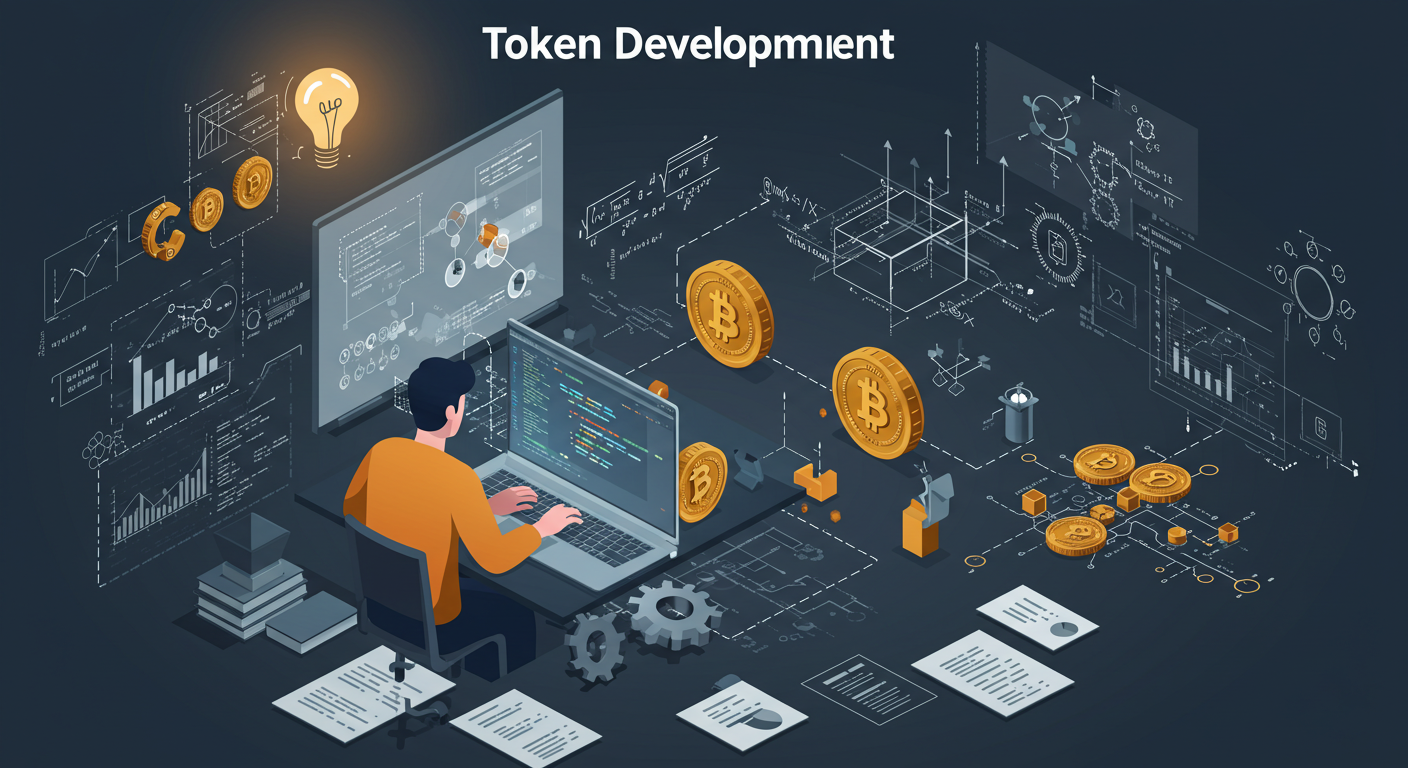
The Solana blockchain has emerged as one of the leading platforms for decentralized applications and digital assets due to its high throughput, low transaction fees, and scalable infrastructure. Creating a token on Solana provides developers and businesses an opportunity to launch innovative projects with robust support and fast transaction confirmations. Token creation on Solana is more than a technical process; it requires careful planning, strategic decision-making, and understanding of blockchain mechanics to ensure success. This guide explores expert insights and best practices in token development, helping developers navigate the process efficiently while avoiding common pitfalls.
Understanding Solana Token Standards
Understanding the token standards of the Solana blockchain is a crucial first step in token development. Solana employs specific protocols, the most prominent being SPL (Solana Program Library) tokens, which ensure uniformity across wallets, exchanges, and decentralized applications. Familiarity with these standards allows developers to design tokens that integrate seamlessly with the ecosystem. Knowing the technical specifications and requirements before development helps avoid compatibility issues and provides a foundation for security, compliance, and future upgrades, ensuring that the token is robust and versatile.
-
SPL Tokens Protocol: Ensures compatibility with wallets, exchanges, and dApps, allowing smooth asset transfer and management.
-
Customization Options: Developers can set token names, symbols, and decimal points to suit project requirements.
-
Compliance and Integration: Understanding token standards helps developers plan for regulatory adherence and seamless ecosystem integration.
Setting Up Your Solana Development Environment
A well-prepared development environment is the backbone of successful token development on Solana. Configuring your system with the necessary tools, connecting to testnets, and securing wallets is essential before starting the actual token creation. This environment allows developers to experiment and validate their code without affecting real assets. Proper setup ensures that every step—from minting to integration—can be tested safely. Using frameworks like Anchor simplifies program deployment, testing, and debugging, helping developers maintain efficiency and reduce potential errors throughout the token lifecycle.
-
Install Solana CLI: Command-line tools allow deployment and testing of tokens in a controlled environment.
-
Connect to Testnet: Testing on Solana’s devnet ensures functionality without risking real assets.
-
Wallet Security: Secure storage of private keys and wallet credentials is essential for protecting assets.
-
Use Anchor Framework: Simplifies program development with prebuilt modules and automated testing.
Token Minting Process on Solana
Minting a token on Solana is a critical stage where the digital asset is created and configured. This process involves determining supply limits, decimal precision, and token metadata. Proper planning during minting ensures the token aligns with its intended use and economic model. Developers can also define minting restrictions and burning mechanisms to maintain token value and supply stability. Understanding the minting workflow reduces the risk of errors and ensures a smooth launch. Token minting is the foundation upon which the token’s utility, liquidity, and adoption are built.
-
Define Supply: Decide total token supply and distribution to control market liquidity and scarcity.
-
Minting Commands: Use CLI commands to securely create tokens that are verifiable on the blockchain.
-
Future Minting Options: Planning for minting or burning ensures flexibility in token circulation.
-
Distribution Model: Carefully design initial allocations to support network growth and user adoption.
Implementing Security Best Practices
Security is an indispensable component of token development. Once a token is on the blockchain, transactions are irreversible, making security breaches costly. Developers must integrate robust measures such as key encryption, multisignature approvals, and smart contract audits to safeguard assets. Attention to security not only protects the token but also builds credibility among users and investors. By proactively identifying potential vulnerabilities, developers can mitigate risks, maintain user confidence, and ensure the longevity of the token within Solana’s ecosystem.
-
Private Key Encryption: Protects wallets and tokens from unauthorized access.
-
Multisig Protocols: Requiring multiple approvals for transactions reduces the risk of hacks.
-
Contract Audits: Ensures custom token functionalities are safe and free from vulnerabilities.
-
Ongoing Monitoring: Regularly checking network interactions prevents potential breaches and strengthens trust.
Token Distribution Strategies
Effective token distribution is crucial for adoption, network growth, and project sustainability. A well-thought-out distribution strategy ensures fairness and incentivizes active participation. Developers must consider allocations to founders, investors, and community members while planning engagement mechanisms like staking or airdrops. Clear and transparent strategies not only enhance credibility but also reduce risks of centralization and speculative volatility. Planning distribution carefully lays the foundation for long-term success, ensuring that the token achieves its intended impact within the ecosystem.
-
Equitable Allocation: Balances tokens among founders, investors, and community members.
-
Community Incentives: Airdrops, staking, or reward programs encourage active engagement.
-
Partnership Opportunities: Collaborations with projects or exchanges enhance visibility and usage.
-
Transparent Planning: Clear communication of distribution rules builds credibility and confidence.
Integrating Tokens with Ecosystem Services
Integration with wallets, exchanges, and decentralized applications is essential for token utility and market adoption. Without proper integration, even technically sound tokens may fail to gain traction. Solana provides support for seamless integration with popular wallets and dApps, enabling wider usability. Developers need to ensure that the token can interact effectively with external platforms, while also preparing for updates and protocol changes. Successful integration enhances liquidity, encourages user engagement, and increases the token’s long-term viability in the Solana ecosystem.
-
Wallet Compatibility: Supports popular Solana wallets like Phantom and Solflare for easy management.
-
Exchange Listings: Enhances liquidity and provides market access for token holders.
-
dApp Integration: Expands token utility through partnerships with applications and services.
-
Ongoing Updates: Ensures token remains functional and compliant with protocol changes.
Monitoring and Governance
Monitoring and governance ensure that the token remains secure, functional, and aligned with its goals. Observing transaction patterns, performance metrics, and community feedback provides insights for proactive adjustments. Implementing governance mechanisms allows stakeholders to participate in decision-making, reinforcing decentralization and trust. A token’s long-term success is often tied to effective oversight, ongoing improvements, and responsive management. Governance practices create transparency, build credibility, and foster sustained engagement from users and investors, ensuring the token’s continued relevance and stability.
-
Transaction Tracking: Tools to monitor token circulation and user activity provide actionable insights.
-
Performance Metrics: Helps detect issues in smart contracts or token transfers early.
-
Decentralized Governance: Voting systems and treasury management allow community involvement.
-
Long-Term Sustainability: Active governance supports credibility and encourages continuous adoption.
Conclusion
Creating a token on the Solana blockchain involves more than just technical execution; it requires a comprehensive understanding of token standards, security measures, distribution models, and integration processes. By following structured procedures and adhering to best practices, developers can ensure their token not only functions effectively but also gains credibility within the blockchain ecosystem. Careful planning, secure development, and active governance form the pillars of successful token development on Solana, empowering projects to achieve robust adoption and long-term impact.

 English
 Arabic
 French
 Spanish
 Portuguese
 Deutsch
 Turkish
 Italiano
 Russian
 Romaian
 Portuguese (Brazil)
 Greek
Greek