


How AI Interview Assistants Help Candidates Ace Technical Interviews
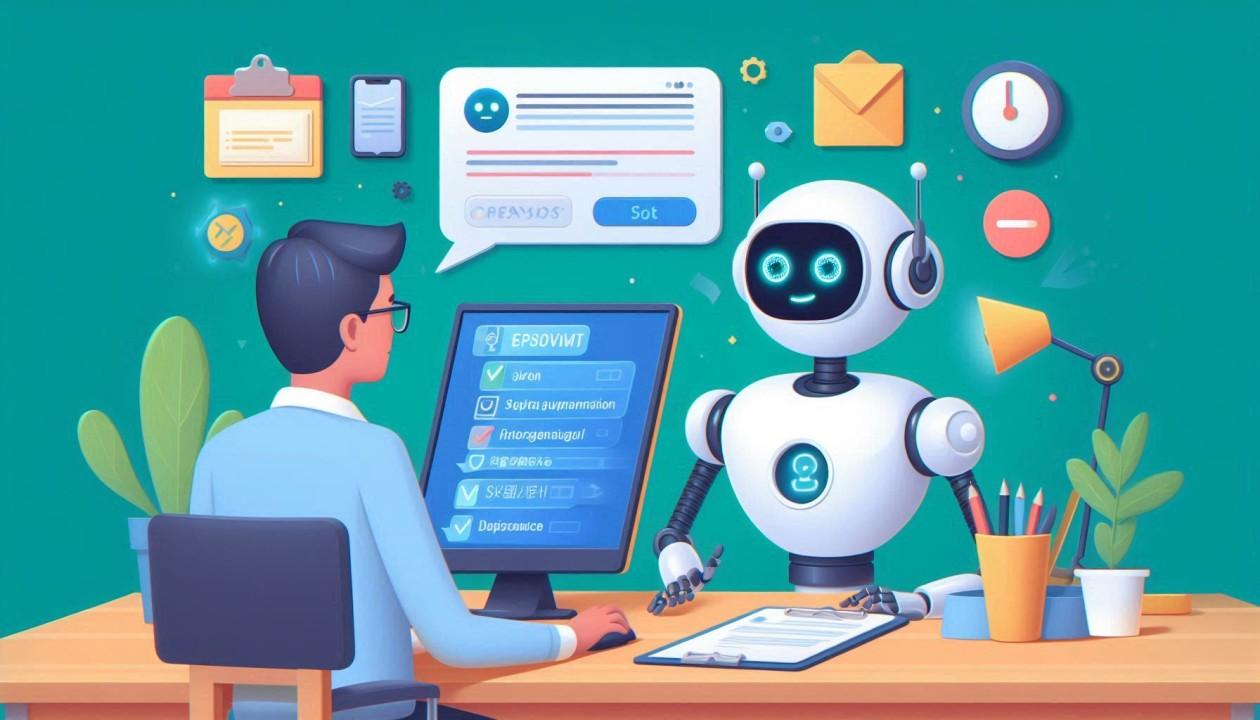
Technical interviews can be intimidating — whiteboard problems, algorithm challenges, system design discussions, and unexpected follow-up questions all test how candidates think under pressure. But now, with the rise of AI interview assistants, candidates can practice and master technical interviews more effectively than ever before.
These AI-driven platforms combine machine learning, natural language processing (NLP), and code analysis to help candidates simulate real technical interviews, analyze their responses, and receive data-backed feedback.
Let’s explore how AI interview assistants are transforming technical interview preparation for software engineers, data scientists, and tech professionals.
1. What Are AI Interview Assistants for Technical Preparation?
AI interview assistants are intelligent tools that replicate the exact conditions of technical interviews. They act as virtual interviewers, asking coding, data structure, system design, and algorithm-based questions — just like an interviewer from Amazon or Google would.
These platforms analyze not only your answers but also how you approach a problem — offering insights into logic, code efficiency, and explanation clarity.
Examples include Interview Sidekick, Huru AI, CodeSignal, and Pramp AI — platforms that bridge the gap between theory and real-world problem-solving.
2. Simulating Real Coding Interviews
AI interview assistants go beyond static problem banks. They create real-time coding scenarios and assess performance across multiple dimensions:
-
Code correctness and syntax
-
Time and space complexity
-
Problem-solving approach
-
Verbal explanation clarity
-
Communication under pressure
For instance, Interview Sidekick uses AI to simulate live technical interviews while tracking reasoning patterns. Similarly, Huru AI generates questions aligned with job descriptions, testing both coding depth and contextual fit.
This realism helps candidates adapt to actual interview pressure — an edge traditional learning platforms often lack.
3. Real-Time Coding Feedback
Traditional mock interviews usually require a human reviewer, which is time-consuming. AI assistants, however, provide instant feedback on:
-
Code efficiency
-
Logical errors
-
Edge cases
-
Naming conventions and readability
Some even integrate with AI code evaluators that assign a performance score, helping candidates see exactly where they stand.
For example:
-
Interview Sidekick offers real-time performance reports.
-
CodeSignal uses automated scoring metrics used by real employers.
-
Pramp AI provides simulated peer + AI feedback.
This combination of real-time scoring and explanation analysis makes technical preparation faster, smarter, and more adaptive.
4. Adaptive Learning and Question Customization
The best AI interview assistants use adaptive learning to tailor questions based on your strengths and weaknesses.
For instance:
-
If you struggle with dynamic programming, the tool increases exposure to similar problems.
-
If your system design answers lack scalability, it offers guided corrections and architecture examples.
This dynamic adjustment creates a personalized learning path — something traditional interview prep books or videos cannot achieve.
5. Speech and Communication Training for Technical Rounds
Many candidates can solve coding problems but struggle to communicate their thought process effectively. AI assistants bridge this gap by analyzing spoken explanations and providing communication feedback.
These systems measure clarity, pacing, filler usage, and technical terminology accuracy.
For example:
-
Yoodli evaluates verbal communication and tone during technical explanations.
-
Interview Sidekick scores how well you articulate reasoning steps and solution design.
This holistic feedback helps candidates present themselves as clear, structured, and confident problem solvers — crucial for interviews at companies like Meta or Amazon.
6. Common Technical Areas Covered by AI Interview Assistants
Modern AI tools now cover an extensive range of topics, including:
-
Data Structures & Algorithms – arrays, trees, graphs, sorting, and recursion.
-
System Design – scalability, fault tolerance, caching, load balancing.
-
Database Management – normalization, indexing, SQL optimization.
-
Machine Learning – model selection, overfitting, evaluation metrics.
-
Cloud & DevOps – AWS, Kubernetes, CI/CD pipelines.
-
Behavioral Coding Questions – teamwork, debugging under pressure, collaboration.
This wide coverage helps candidates prepare comprehensively, ensuring no topic gaps before the real interview.
7. Reducing Interview Anxiety Through AI Practice
Technical interviews are stressful — especially when facing time constraints. AI interview assistants reduce anxiety by allowing unlimited, judgment-free practice sessions.
Candidates can:
-
Rehearse repeatedly until answers feel natural.
-
Record sessions and analyze past mistakes.
-
Build interview confidence progressively.
This consistent practice transforms nervous candidates into calm, confident performers, capable of handling even the toughest technical rounds.
8. Top AI Interview Assistants for Technical Preparation
-
Interview Sidekick: Best for comprehensive, company-specific mock interviews.
-
CodeSignal: Focuses on coding assessments used by real recruiters.
-
Huru AI: Tailors technical questions to specific job roles.
-
Pramp AI: Combines AI and peer feedback for coding practice.
-
Yoodli: Enhances spoken clarity for technical explanations.
Each tool complements a different part of the technical interview journey — from problem-solving to communication mastery.
9. The Future of Technical Interview Coaching
In the coming years, AI interview assistants will evolve into complete technical mentors capable of:
-
Analyzing problem-solving style over time.
-
Predicting success rates for specific roles.
-
Recommending skill development paths.
-
Using AI avatars for human-like interviewer simulations.
As technology advances, these platforms will blur the line between preparation and performance — ensuring every candidate, regardless of background, gets a fair, high-quality interview training experience.

 English
 Arabic
 Spanish
 Portuguese
 Deutsch
 Turkish
 Dutch
Dutch
 Italiano
 Russian
 Romaian
 Portuguese (Brazil)
 Greek
Greek