


2D vs 3D Animation: Understanding the Key Differences and Choosing the Right Style for Your Project
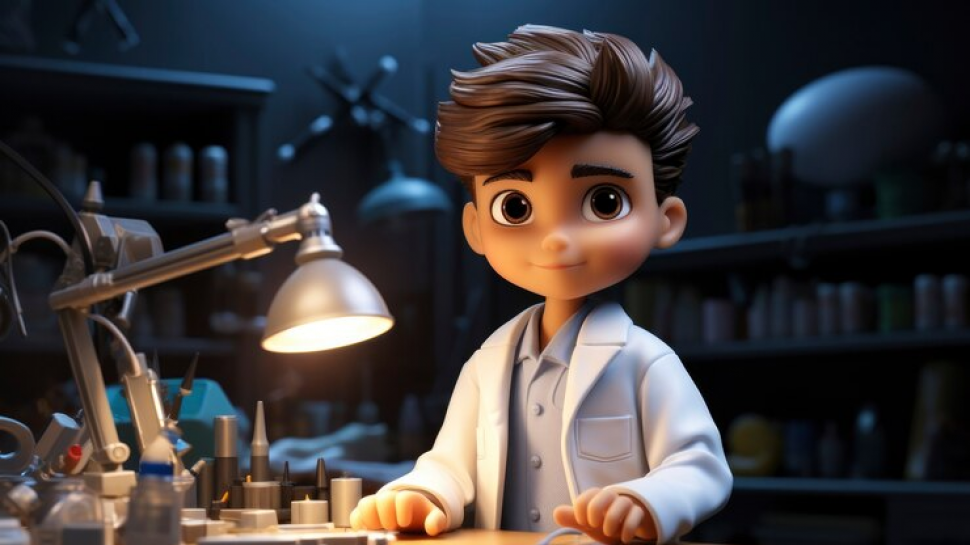
Animation has transformed the way we communicate, entertain, and market ideas. From classic cartoons to modern cinematic masterpieces, animation continues to push creative boundaries. But when it comes to creating an animated project, one of the biggest decisions to make is choosing between 2D vs 3D animation. Both styles have their strengths and unique appeal, and the right choice depends on your project’s goals, audience, and message.
In this guest post, we’ll explore the main differences between 2D and 3D animation, their applications across industries, and how 2D video animation services can still compete with the high-tech allure of 3D visuals.
What Is 2D Animation?
2D animation is one of the oldest and most traditional forms of animation. It involves creating characters, backgrounds, and objects in a two-dimensional space—height and width. Classic Disney movies like The Lion King (1994) and Beauty and the Beast are great examples of 2D animation’s beauty and emotional storytelling power.
With 2D animation, every frame is hand-drawn or digitally created using tools like Adobe Animate, Toon Boom Harmony, or After Effects. This gives it a distinctive flat appearance but allows for a lot of stylistic freedom.
Key characteristics of 2D animation include:
-
Hand-drawn or vector-based visuals.
-
Emphasis on timing, expressions, and storytelling.
-
A flatter, more stylized look.
-
Lower production costs compared to 3D animation.
What Is 3D Animation?
3D animation adds a third dimension—depth. Characters and objects exist in a digital 3D space and can be rotated and moved like real-world objects. Studios like Pixar, DreamWorks, and Illumination have made 3D animation the industry standard for modern animated films.
Software like Blender, Autodesk Maya, and Cinema 4D are used to model, rig, texture, and animate characters. The result is a more realistic, lifelike, and visually dynamic presentation.
Key characteristics of 3D animation include:
-
Realistic lighting, depth, and perspective.
-
Complex modeling and rendering processes.
-
Higher costs but more immersive visuals.
-
Ideal for games, films, and high-end commercials.
2D vs 3D Animation: The Core Differences
When comparing 2D vs 3D animation, it’s not just about how they look—it’s about how they’re created, their emotional impact, and the purpose they serve.
| Aspect | 2D Animation | 3D Animation |
|---|---|---|
| Visual Style | Flat, stylized, artistic | Realistic, dynamic, detailed |
| Production Time | Faster and simpler | Time-consuming and complex |
| Cost | More affordable | More expensive |
| Software | Adobe Animate, Toon Boom | Maya, Blender, 3ds Max |
| Best For | Explainer videos, ads, cartoons | Films, games, product demos |
| Storytelling Approach | Focuses on emotions and expression | Focuses on realism and impact |
Each animation type has a unique appeal. For example, 2D animation is perfect for businesses seeking budget-friendly 2D video animation services to explain ideas quickly and clearly. On the other hand, 3D animation works best for projects that need a cinematic or immersive experience.
Why 2D Animation Still Thrives in the Digital Age
Although 3D animation dominates big-screen productions, 2D animation remains highly relevant in digital marketing, education, and entertainment. It offers a timeless charm that connects with viewers on an emotional level.
Here’s why 2D video animation services continue to thrive:
-
Affordability and Efficiency – 2D animations are quicker and more cost-effective to produce. For startups or small businesses, it’s an ideal option for creating high-quality explainer videos or brand stories without stretching the budget.
-
Stylized Storytelling – The creative freedom in 2D allows for bold artistic choices, making it great for brand storytelling, animated ads, and social media campaigns.
-
Clarity of Message – 2D animation simplifies complex concepts, making it perfect for educational content, tutorials, and corporate explainers.
-
Compatibility Across Platforms – 2D animations are lightweight and easy to distribute across websites, YouTube, and social media channels without compromising quality.
-
Emotional Connection – The expressive nature of 2D characters can create strong emotional resonance, making viewers feel more connected to the brand or message.
When to Choose 3D Animation
While 2D animation has its charm, 3D animation stands out when realism and visual depth are key. It’s ideal for:
-
Product Visualization: 3D allows for detailed product renders, showing design, texture, and functionality from all angles.
-
Video Games and Films: 3D worlds offer immersive storytelling with lifelike environments and physics.
-
Medical or Technical Animation: 3D helps demonstrate complex mechanisms, anatomy, or engineering processes with precision.
-
Virtual Reality and Augmented Reality: 3D models are essential for interactive and immersive digital experiences.
Blending 2D and 3D: The Best of Both Worlds
Many modern studios are now combining both 2D and 3D techniques to achieve hybrid styles. This approach offers artistic flexibility and visual richness. For instance, Spider-Man: Into the Spider-Verse used 3D models with 2D comic-style effects to create a groundbreaking visual experience.
Businesses, too, can benefit from blending 2D vs 3D animation techniques—using 2D elements for storytelling and 3D assets for product visualization or motion graphics.
How to Choose Between 2D and 3D Animation for Your Project
Selecting the right animation style depends on several factors:
-
Budget: If you’re looking for cost-effective yet professional results, 2D video animation services are the better choice.
-
Purpose: Educational, explainer, or marketing videos work best in 2D, while 3D fits more technical or cinematic projects.
-
Timeline: 2D animations are typically faster to produce, ideal for marketing campaigns with tight deadlines.
-
Audience: Younger audiences often enjoy the colorful simplicity of 2D, while tech-savvy viewers may prefer 3D realism.
-
Brand Identity: Choose a style that reflects your brand’s tone—playful and approachable (2D) or modern and innovative (3D).
The Role of Professional Animation Services
Partnering with an experienced animation studio can make all the difference. Professional 2D video animation services not only bring your ideas to life but also ensure visual consistency, engaging storytelling, and strategic brand alignment.
A skilled animation team can guide you on the best approach—whether it’s a vibrant 2D explainer or a cinematic 3D product video. They use the latest tools, creative techniques, and industry insights to produce animations that captivate audiences and drive results.
Conclusion: Choosing Your Animation Path
The debate of 2D vs 3D animation isn’t about which is better—it’s about which suits your goals best. Both styles have unique strengths that can elevate your brand message when used effectively.
If your focus is clarity, charm, and affordability, 2D video animation services are the way to go. But if your project demands realism, interactivity, or high-end visuals, 3D animation delivers unmatched depth and immersion.
Ultimately, animation—whether 2D or 3D—is about storytelling that moves people. The right choice depends on how you want your audience to feel and what story you want to tell.

 English
 Arabic
 French
 Spanish
 Deutsch
 Turkish
 Dutch
Dutch
 Italiano
 Russian
 Romaian
 Portuguese (Brazil)
 Greek
Greek