


Global Surgical Robots Market to Reach USD 15.81 Billion by 2033
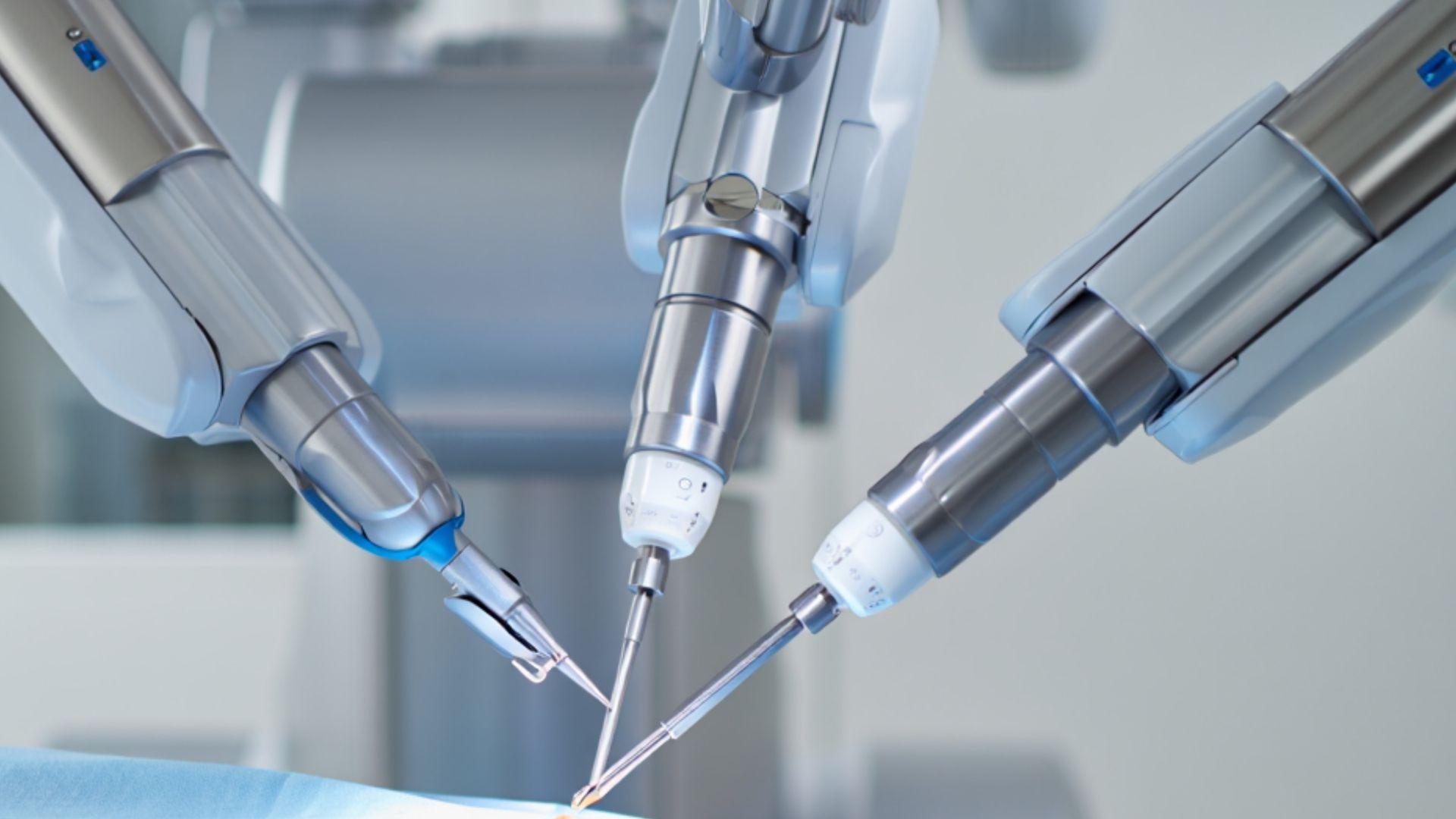
The global surgical robots market is witnessing rapid expansion as hospitals and healthcare providers increasingly adopt robotic-assisted technologies to improve surgical outcomes. According to Renub Research, the market was valued at USD 7.24 billion in 2024 and is projected to reach USD 15.81 billion by 2033, growing at a compound annual growth rate (CAGR) of 9.07% between 2025 and 2033.
This growth is primarily driven by the increasing demand for minimally invasive surgeries, technological advancements in robotic-assisted surgical systems, and rising investments in healthcare infrastructure worldwide. Surgical robots provide improved precision, better visualization, and enhanced control during complex procedures, enabling surgeons to perform delicate operations with higher accuracy.
Additionally, robotic-assisted surgeries often result in smaller incisions, reduced complications, faster recovery times, and shorter hospital stays, making them increasingly attractive to both patients and healthcare providers. As artificial intelligence, machine learning, and advanced imaging technologies continue to evolve, the adoption of surgical robots is expected to expand significantly across multiple medical specialties.
Surgical Robots Market Outlook
Surgical robots are advanced robotic systems designed to assist surgeons during medical procedures. These systems typically consist of robotic arms, high-definition cameras, real-time imaging technologies, and surgeon-controlled consoles that enable precise manipulation of surgical instruments.
One of the most widely recognized robotic surgical platforms is the da Vinci Surgical System, which is extensively used for laparoscopic and minimally invasive surgeries across the globe.
Surgical robots are utilized in a variety of medical fields, including orthopedics, gynecology, urology, neurosurgery, and cardiovascular surgery. These systems allow surgeons to perform intricate procedures with enhanced precision while minimizing the risk of human error.
Patients undergoing robotic-assisted surgery often experience several benefits compared with traditional surgical techniques. These include less blood loss, reduced pain, smaller scars, and quicker recovery times.
The continued integration of artificial intelligence, real-time data analytics, and automation into surgical robotics is further enhancing the capabilities of these systems. As healthcare systems worldwide prioritize efficiency, safety, and patient outcomes, surgical robots are becoming an increasingly important component of modern operating rooms.
Download Free Sample Report:https://www.renub.com/request-sample-page.php?gturl=surgical-robots-market-p.php
Growth Drivers in the Surgical Robots Market
Increasing Demand for Minimally Invasive Surgeries
Minimally invasive surgery (MIS) has become one of the most important trends in modern healthcare. Unlike traditional open surgeries, MIS techniques involve smaller incisions and specialized instruments, which result in faster healing and fewer complications.
Surgical robots significantly enhance the effectiveness of minimally invasive procedures by providing surgeons with improved dexterity, precision, and control.
As patients increasingly seek safer and less invasive treatment options, hospitals are expanding their robotic surgery capabilities to meet this demand.
According to cardiac surgery market research by iData Research, more than 900,000 cardiac surgeries are performed annually in the United States, and this number is expected to reach 1.3 million by 2029. The increasing prevalence of cardiovascular diseases and other medical conditions requiring surgical intervention is expected to drive demand for robotic-assisted surgical systems.
In addition, the growing number of accidents worldwide has increased the need for advanced surgical procedures. For example, a report from the Ministry of Road Transport and Highways indicated that 461,312 road accidents occurred in 2022, resulting in 168,491 deaths and over 443,000 injuries. Such incidents contribute to the growing need for surgical treatment, further supporting the adoption of robotic technologies.
Technological Advancements in Robotic Surgery
Continuous technological innovation is transforming the surgical robotics industry.
Modern robotic systems now incorporate advanced technologies such as 3D imaging, artificial intelligence, haptic feedback, augmented reality, and machine learning. These technologies help surgeons visualize surgical sites more clearly and perform procedures with improved precision.
Real-time analytics and data-driven decision support systems also allow surgeons to monitor patient conditions during operations, improving safety and surgical outcomes.
For instance, in June 2024, Smith+Nephew introduced CORIOGRAPH PreOperative Planning and Modeling Services, designed to enhance knee arthroplasty procedures through improved surgical planning and robotic assistance.
Such technological advancements are enabling next-generation robotic surgery systems that offer greater flexibility, efficiency, and clinical effectiveness.
Rising Healthcare Spending and Hospital Investments
Healthcare institutions worldwide are increasingly investing in advanced medical technologies to improve patient care and operational efficiency.
Governments and private healthcare organizations are expanding hospital infrastructure, establishing robotic surgery centers, and supporting research initiatives in medical robotics.
In developed countries, favorable reimbursement policies have also encouraged hospitals to adopt robotic surgical systems.
Partnerships between medical device manufacturers and healthcare institutions are further accelerating the adoption of robotic-assisted surgery.
As hospitals strive to deliver high-quality care while minimizing complications and recovery times, robotic surgical systems are becoming an essential part of modern healthcare facilities.
Challenges in the Surgical Robots Market
High Cost of Surgical Robotic Systems
Despite their benefits, the high cost of surgical robots remains a major barrier to widespread adoption.
Robotic surgical systems require significant capital investment for purchase, installation, maintenance, and training. Hospitals must also invest in specialized training programs to ensure that surgeons and medical staff can effectively operate these systems.
For smaller hospitals and healthcare facilities in developing countries, these costs can be difficult to justify, limiting the accessibility of robotic surgery.
Manufacturers are therefore working to develop more cost-effective robotic systems that can expand access to robotic-assisted procedures.
Shortage of Skilled Professionals
Another challenge facing the surgical robotics industry is the shortage of trained professionals capable of operating robotic surgical systems.
Robotic-assisted surgery requires specialized skills and extensive training. Many surgeons must undergo dedicated certification programs to become proficient in robotic surgical techniques.
The learning curve associated with these technologies may slow adoption in some healthcare institutions.
Additionally, concerns regarding system malfunctions and the need for manual intervention during complex procedures can create hesitation among medical professionals.
Addressing these training challenges will be essential for the long-term expansion of robotic-assisted surgery.
Surgical Robots System Market
The surgical robot systems segment includes robotic platforms equipped with control consoles, robotic arms, and high-definition imaging systems.
These systems are used across a wide range of medical procedures and represent the largest revenue-generating segment within the surgical robots market.
Manufacturers are continuously improving system capabilities by incorporating advanced visualization tools, improved instrument control, and enhanced user interfaces.
As hospitals increasingly invest in robotic surgical technology, demand for these systems continues to grow globally.
Surgical Robots Accessories Market
Accessories such as robotic instruments, imaging devices, and disposable surgical components play a crucial role in robotic-assisted procedures.
These accessories ensure the proper functioning of surgical robots and are frequently replaced during procedures, generating recurring revenue for manufacturers.
Hospitals and surgical centers are increasingly seeking high-quality accessories that enhance performance and reduce procedure costs.
Gynecological Surgical Robots Market
Gynecological surgeries represent a major application area for surgical robots.
Robotic-assisted procedures are commonly used for hysterectomies, myomectomies, and endometriosis treatments. These systems provide improved visualization and precision, reducing surgical risks and improving patient outcomes.
The rising prevalence of gynecological conditions and the growing preference for minimally invasive procedures are driving demand for robotic gynecological surgery.
Cardiovascular Surgical Robots Market
Cardiovascular surgery is another important application area for robotic-assisted technologies.
Robotic systems allow surgeons to perform delicate procedures such as coronary artery bypass grafting and heart valve repair with improved precision.
By reducing human error and enabling smaller incisions, robotic cardiac surgery can significantly shorten recovery times and improve patient safety.
The increasing prevalence of heart disease worldwide is expected to drive further demand for robotic-assisted cardiovascular procedures.
Laparoscopy Surgical Robots Market
Laparoscopic robotic systems are widely used for general surgery, gastrointestinal procedures, and urological operations.
These robots allow surgeons to perform complex procedures through small incisions, reducing postoperative pain and shortening hospital stays.
The growing popularity of laparoscopic procedures for conditions such as gallbladder removal, hernia repair, and bariatric surgery is contributing to the expansion of this market segment.
United States Surgical Robots Market
The United States dominates the global surgical robots market due to its advanced healthcare infrastructure, high adoption of robotic-assisted surgeries, and strong presence of major medical device manufacturers.
Companies such as Intuitive Surgical, Medtronic, and Stryker continue to lead technological innovation and product development in this sector.
In April 2024, Stryker acquired mfPHD, a company specializing in modular stainless steel wall systems used in hospitals and ambulatory surgery centers. Such strategic moves strengthen the infrastructure required for advanced surgical technologies.
France Surgical Robots Market
France is emerging as a key market for surgical robots in Europe, driven by increasing hospital adoption of robotic surgery and government initiatives supporting healthcare digitization.
In March 2024, French medical robotics company Quantum Surgical secured a €30 million loan from the European Investment Bank to accelerate global commercialization of its minimally invasive cancer treatment technology.
These investments are expected to strengthen the adoption of robotic surgical solutions in France and across Europe.
India Surgical Robots Market
India’s surgical robots market is growing rapidly due to increasing healthcare investments, expanding medical tourism, and rising awareness of minimally invasive treatments.
Although high costs remain a challenge, leading hospitals are gradually adopting robotic-assisted surgical systems.
In December 2024, SS Innovations received regulatory approval for its SSI Mantra Surgical Robotic System, making it the first indigenous robotic surgical system in India to receive approval for telesurgery and teleproctoring.
Brazil Surgical Robots Market
Brazil represents one of the fastest-growing markets for surgical robots in Latin America.
The adoption of robotic-assisted surgery is increasing in private hospitals and specialized healthcare centers.
In December 2024, MicroPort MedBot announced that its Toumai Laparoscopic Surgical Robot received regulatory approval from Brazil’s National Health Surveillance Agency (ANVISA), marking a significant step toward expanding robotic surgery adoption in the country.
Final Thoughts
The global surgical robots market is entering a transformative phase as advanced technologies reshape the future of surgery.
With the market expected to grow from USD 7.24 billion in 2024 to USD 15.81 billion by 2033, robotic-assisted surgery will continue to play a crucial role in improving patient outcomes and surgical efficiency.
As healthcare providers increasingly adopt minimally invasive procedures and technological innovations continue to enhance robotic capabilities, surgical robots are likely to become a standard feature in operating rooms worldwide.
Companies that focus on innovation, cost reduction, and training solutions will be best positioned to lead the next generation of surgical robotics and shape the future of modern healthcare.

 English
 Arabic
 French
 Spanish
 Portuguese
 Deutsch
 Turkish
 Dutch
Dutch
 Italiano
 Romaian
 Portuguese (Brazil)
 Greek
Greek