


The Future of Supply Chain Management: Trends to Watch in 2026
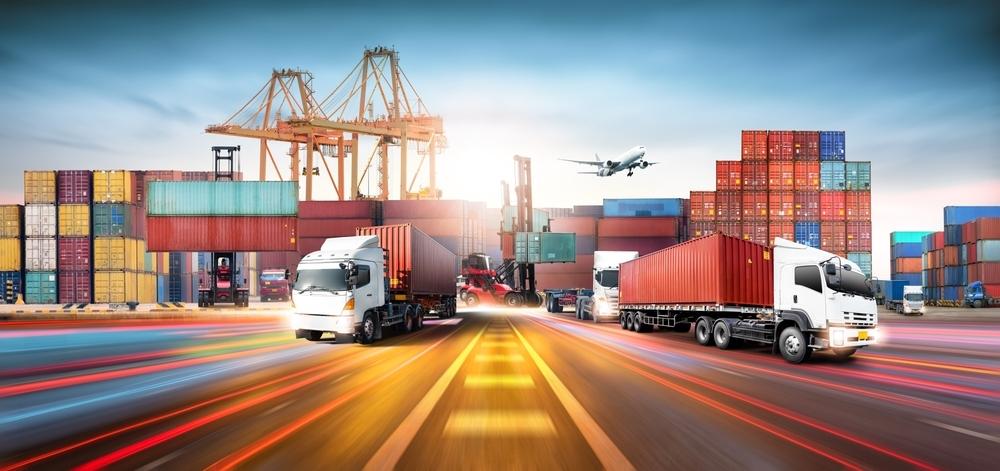
Supply chain management (SCM) has always been at the heart of every business operation. However, with the rapid evolution of technology, shifting consumer demands, and global challenges, the landscape of SCM is undergoing a significant transformation. By 2026, supply chain management will look very different, driven by advancements in automation, data analytics, and sustainability practices.
In this blog, we explore the top trends that will shape the future of supply chain management, providing businesses with the tools they need to stay competitive and efficient in a rapidly changing world.
The Role of Technology in Shaping SCM
Technology has been a major driver of change in supply chain management for many years, and by 2026, it will continue to play an even more critical role. The integration of artificial intelligence (AI), machine learning (ML), the Internet of Things (IoT), and blockchain will revolutionise how businesses manage their supply chains.
AI and ML will enable predictive analytics, helping businesses forecast demand more accurately, optimise routes, and even predict potential disruptions. IoT will connect devices across the supply chain, allowing for real-time data collection and monitoring. Blockchain technology will provide a secure, transparent way of tracking transactions, reducing fraud and increasing trust among supply chain partners.
Supply Chain Automation and Robotics
One of the most significant trends we’ll see in supply chain management by 2026 is the widespread adoption of automation and robotics. From automated warehouses to self-driving trucks, automation will increase efficiency, reduce human error, and lower operational costs.
For example, in 3PL warehousing, robotics will handle inventory management, order picking, and packaging, significantly improving speed and accuracy. With AI-driven systems, warehouses will be able to operate 24/7 with minimal downtime.
Self-driving vehicles and drones are also expected to take over last-mile deliveries, especially in urban areas, making deliveries faster and more cost-effective. While fully autonomous trucks may take some time to become mainstream, their integration into logistics networks will be an important step toward more efficient supply chain operations.
The Rise of Data-Driven Decision Making
Data is the backbone of modern business, and its role in supply chain management will continue to grow. By 2026, businesses will rely even more on real-time data to drive decisions across their supply chain processes.
With the advent of advanced data analytics tools, companies will be able to gain deeper insights into every aspect of their supply chain, from inventory levels to supplier performance. Predictive analytics will help businesses optimise their supply chain by forecasting demand, minimising stockouts, and reducing excess inventory.
Moreover, data-driven decision-making will be essential in navigating the complexities of global supply chains, particularly as companies work to manage risks and identify opportunities for improvement.
Sustainable and Green Supply Chains
Sustainability has become a top priority for businesses and consumers alike, and this trend will continue to influence supply chain management. By 2026, the pressure to reduce carbon footprints and adopt sustainable practices will only intensify.
Companies will increasingly focus on sourcing materials responsibly, reducing waste, and minimising energy consumption across their supply chains. This will involve adopting eco-friendly packaging, leveraging renewable energy, and optimising transportation routes to lower emissions.
The push for sustainability will also drive innovation in product design, encouraging companies to create more recyclable and reusable products. By adopting circular economy principles, businesses can reduce waste and improve the longevity of their products, creating a more sustainable supply chain from start to finish.
The Growing Importance of 3PL and Outsourcing
Third-party logistics (3PL) providers have been a key part of the supply chain for years, but their role will become even more critical by 2026. As supply chains become more complex and global, businesses will increasingly turn to 3PL partners for support with warehousing, transportation, and fulfilment.
A key driver of this trend will be the desire for businesses to focus on their core competencies while leaving logistics and supply chain management to experts. By outsourcing these functions to a reliable 3PL warehousing partner, businesses can scale faster and manage costs more effectively. These partners bring specialised knowledge, technology, and infrastructure that can significantly enhance the efficiency and reliability of supply chains.
Moreover, as businesses increasingly move towards e-commerce and omnichannel strategies, 3PL providers will be critical in managing inventory across multiple channels and ensuring fast, cost-effective deliveries.
The Shift Towards Localisation and Nearshoring
Global supply chains have long been dominated by outsourcing to low-cost countries, but this trend is starting to shift. The disruptions caused by the COVID-19 pandemic, trade wars, and rising transportation costs have prompted many companies to reconsider their reliance on distant manufacturing hubs.
By 2026, there will likely be a significant move towards localisation and nearshoring. Businesses will look for suppliers and manufacturers closer to home to reduce lead times, lower transportation costs, and mitigate risks associated with global supply chains.
This shift will also support the growth of regional supply chain ecosystems, where businesses work together more closely to create more resilient and responsive networks. By decentralising production, businesses can build more flexible and agile supply chains that are less vulnerable to global disruptions.
AI and Machine Learning in Forecasting and Risk Management
As the world continues to face uncertainty, businesses will rely heavily on AI and machine learning to forecast demand, identify risks, and mitigate disruptions in their supply chains.
AI-powered tools will allow companies to predict demand patterns, forecast market trends, and even simulate different supply chain scenarios. This will enable businesses to make more informed decisions and adjust their operations in real-time.
Moreover, machine learning algorithms will analyse historical data to identify potential risks, such as supplier disruptions, political instability, or natural disasters. With this information, businesses can create more robust risk management strategies and implement contingency plans to minimise the impact of these disruptions.
The Role of Freight Forwarders in Global Supply Chains
As global trade continues to grow, the role of freight forwarders will become even more important in managing complex logistics networks. A Freight Forwarder in USA will play a critical role in ensuring the smooth flow of goods between international borders, managing customs processes, and handling documentation.
Freight forwarders are not just responsible for moving goods from point A to point B; they also provide a range of value-added services, including supply chain coordination, warehousing, and inventory management. By 2026, freight forwarders will play an even greater role in providing end-to-end supply chain solutions that enable businesses to navigate the complexities of international trade with ease.
Blockchain in Supply Chain Transparency
Blockchain technology has the potential to revolutionise supply chain transparency. By 2026, blockchain will likely be a standard tool for tracking and verifying every step in the supply chain process.
Blockchain’s decentralised, immutable ledger allows businesses to create transparent, traceable supply chains where every transaction is recorded and verified. This ensures greater accountability, reduces fraud, and improves trust between suppliers, manufacturers, and consumers.
For example, blockchain can help businesses track the origin of raw materials, ensure ethical sourcing, and verify the authenticity of products. It also helps reduce paperwork, streamline payments, and increase overall supply chain efficiency.
The Future of Supply Chain Collaboration
The future of supply chain management will increasingly be defined by collaboration. Businesses will work more closely with suppliers, partners, and even competitors to create shared value and build more resilient, sustainable supply chains.
Cloud-based platforms and collaborative tools will enable businesses to share real-time data, track inventory, and respond more quickly to changes in demand or supply chain disruptions. By collaborating and sharing information, businesses can optimise inventory, reduce waste, and improve efficiency across the entire supply chain.
Final Thoughts: A Transforming Supply Chain Landscape
The future of supply chain management is dynamic, and 2026 will see significant shifts in how businesses design, manage, and optimise their supply chains. From AI-powered risk management to the growing importance of 3PL partners, businesses must adapt to these trends to stay competitive and resilient in the years ahead.
By embracing these trends, companies can create supply chains that are faster, more transparent, and more sustainable—ensuring long-term success in an ever-evolving global marketplace.

 English
 Arabic
 French
 Spanish
 Portuguese
 Turkish
 Dutch
Dutch
 Italiano
 Russian
 Romaian
 Portuguese (Brazil)
 Greek
Greek