


Tartaric Acid Price Trend 2026: Global Market Analysis, Supply Demand Insights & Forecast
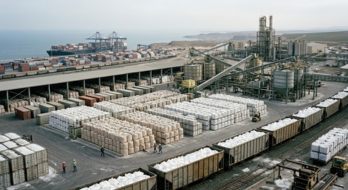
The Tartaric Acid Price Trend heading into 2026 reflects a largely stable global market with region-specific fluctuations driven by feedstock variability and moderate downstream demand. Tartaric acid, primarily derived from grape processing byproducts, is widely used in food & beverages, pharmaceuticals, and industrial applications. The global tartaric acid market trend has been influenced by inconsistent grape harvests, cautious purchasing behavior, and adequate supply levels. While Asia witnessed slight price increases due to weather-related crop disruptions, Europe experienced softer pricing amid oversupply conditions. Feedstock dependency on grape availability remains the most critical factor shaping production costs and overall market dynamics.
Market Snapshot
Market Snapshot
- Market Direction: Stable with Regional Variations
- Primary Demand Sector: Food & Beverage Industry
- Key Feedstock: Grapes (Wine Byproducts)
- Major Supply Region: Europe and Asia
- Short-Term Outlook: Stable
Key Drivers Affecting Tartaric Acid Prices
The tartaric acid supply demand analysis identifies several core market drivers:
- Feedstock Availability (Grapes):
Variability in grape harvests directly impacts raw material availability and production costs. - Wine Industry Trends:
As tartaric acid is derived from wine byproducts, fluctuations in wine production significantly influence supply. - Demand from Food & Beverage Sector:
Moderate consumption from processed food, beverages, and bakery industries shapes market stability. - Inventory Levels:
Sufficient stock availability in key regions prevents sharp price volatility. - Global Production Capacity:
Established production hubs in Europe and Asia maintain consistent supply levels.
Why Prices Increased or Decreased Recently
The Tartaric Acid Price Trend in Q4 2025 showed mixed regional movements driven by feedstock and demand-side factors.
- Asia:
Prices increased slightly due to heavy and irregular rainfall in India, which affected grape crops and reduced feedstock availability. However, demand remained moderate as buyers delayed purchases awaiting clearer supply conditions. - Europe:
Prices were under pressure due to oversupply of white wine grapes, which negatively impacted market sentiment. Despite adequate raw material availability, weak demand from food and beverage sectors and high inventory levels led to stable-to-lower prices. - North America:
Prices showed a steady to slightly firm trend. Although grape supply was abundant, trade and processing constraints impacted market flow. Demand remained stable from food processing and beverage industries, with buyers maintaining cautious purchasing patterns.
Overall, price fluctuations were driven by:
- Feedstock supply disruptions (weather-related crop issues)
- Oversupply conditions in key producing regions
- Conservative buying behavior
- Balanced but not aggressive downstream demand
Real Global Events Affecting the Market
Several real-world developments have influenced the global tartaric acid market trend:
- Unusual Weather Patterns:
Heavy rainfall in India disrupted grape harvest cycles, tightening feedstock supply in Asia. - Wine Industry Imbalance in Europe:
Oversupply of grapes led to reduced profitability in wine production, indirectly affecting tartaric acid pricing. - Agricultural Market Volatility:
Fluctuations in global agricultural output impacted raw material availability. - Trade and Regulatory Constraints:
Processing and export regulations in North America influenced supply chain efficiency. - Shifts in Consumer Demand:
Moderate consumption trends in food and beverage industries limited aggressive procurement.
Regional Market Analysis
North America
The North American market maintained a stable-to-slightly firm trend:
- Steady demand from food processing and beverage sectors
- Abundant grape supply but constrained by trade dynamics
- Balanced supply-demand fundamentals
Asia Pacific
Asia Pacific experienced slightly bullish conditions:
- Feedstock disruptions due to adverse weather in India
- Moderate demand from food and pharmaceutical industries
- Controlled supply supporting price stability
Europe
Europe faced bearish to stable pricing trends:
- Oversupply of wine grapes impacting market sentiment
- Weak purchasing activity from downstream industries
- High inventory levels limiting price growth
Middle East & Africa
The region showed stable market conditions:
- Dependence on imports from Europe and Asia
- Gradual demand growth from food and beverage sectors
- Limited local production capacity
Industry Expert Insight
Industry analysts indicate that fluctuations in grape harvest quality and volume remain the most critical factor influencing tartaric acid pricing, while moderate demand from downstream sectors continues to stabilize the global price structure.
Market Outlook
Short-Term Outlook
The tartaric acid price forecast suggests:
- Stable pricing in early 2026
- Continued cautious purchasing behavior
- Dependence on grape harvest outcomes
Medium-Term Outlook
The tartaric acid market outlook indicates a balanced trajectory:
- Gradual recovery in wine and beverage industries
- Potential fluctuations in agricultural output due to climate variability
- Stable demand from pharmaceuticals and food sectors
- Improved supply chain efficiencies
FAQs
What affects Tartaric Acid prices?
Prices are influenced by grape availability, wine production trends, demand from food industries, and global supply conditions.
Why did Tartaric Acid prices increase in Asia?
Prices increased due to reduced grape supply caused by heavy rainfall and weather disruptions.
What industries use Tartaric Acid?
Tartaric acid is widely used in food processing, beverages, pharmaceuticals, and chemical industries.
Which region produces the most Tartaric Acid?
Europe and Asia are the leading producers due to strong wine and agricultural industries.
What is the future outlook for Tartaric Acid prices?
The outlook is stable, with potential fluctuations depending on grape harvest conditions and global demand trends.

 English
 Arabic
 French
 Spanish
 Portuguese
 Deutsch
 Turkish
 Dutch
Dutch
 Russian
 Romaian
 Portuguese (Brazil)
 Greek
Greek