


Mastering the Art of Spot Weld Aluminium: Techniques, Applications, and Best Practices
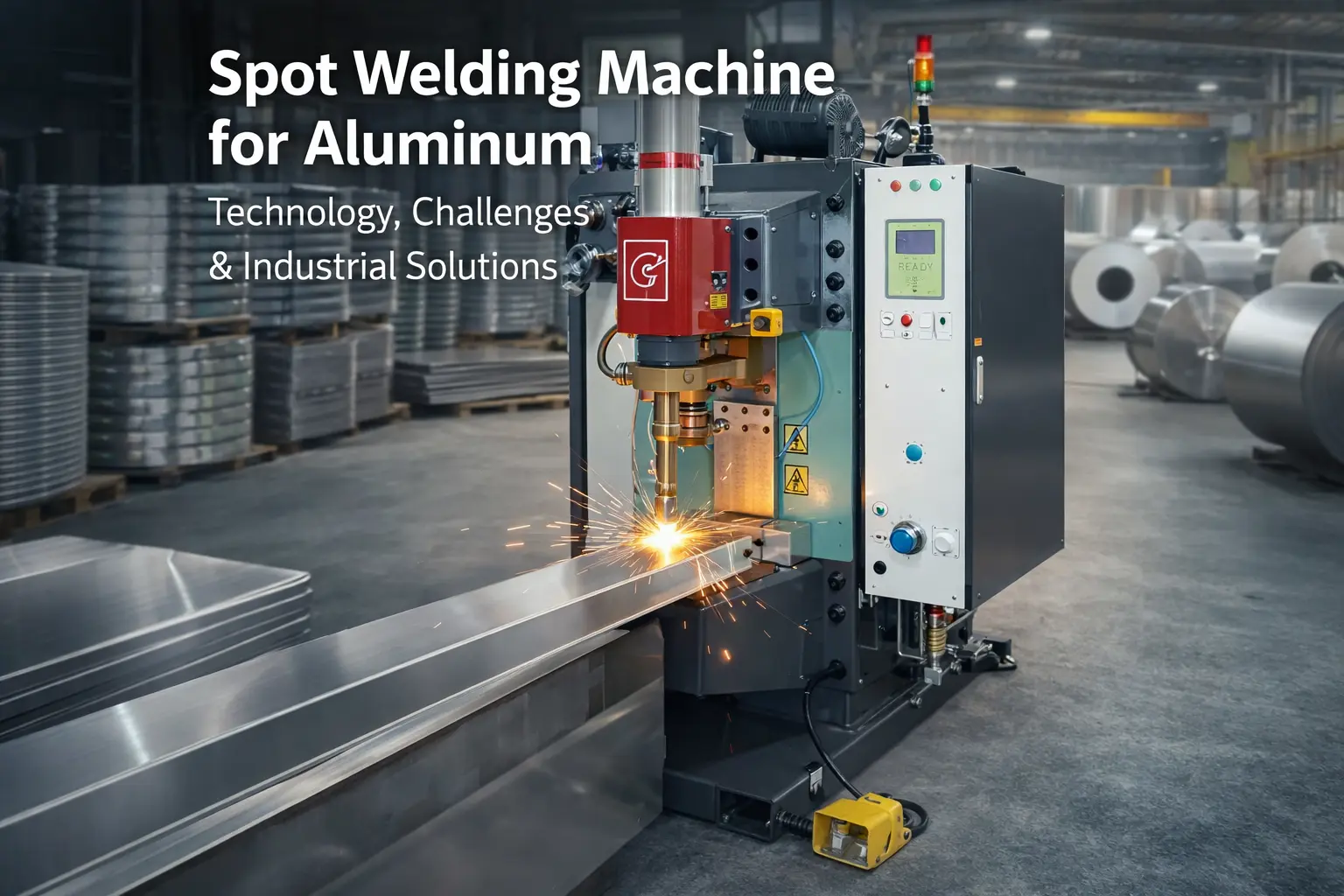
In today’s competitive manufacturing environment, joining aluminum sheets reliably and efficiently is critical for industries ranging from automotive and aerospace to appliance and electronics production. Spot welding aluminum presents unique challenges compared to traditional steel welding due to aluminum’s high thermal conductivity and oxide layer formation. Manufacturers, OEMs, and automation integrators need precise, high-performance solutions to ensure quality, consistency, and productivity.
Heron Welder, a global leader in industrial welding and metal-joining solutions, offers advanced resistance welding machines and automation systems designed specifically to tackle these challenges, delivering reliable spot welds for aluminum in high-volume production environments.
Understanding Spot Welding Aluminum
Spot welding is a type of resistance welding where heat generated by electrical resistance melts localized points between two metal sheets, creating strong mechanical joints. When working with aluminum, the process requires specialized considerations:
- High Thermal Conductivity – Aluminum dissipates heat faster than steel, requiring higher currents and shorter weld times to achieve proper fusion.
- Oxide Layer – Aluminum naturally forms a tough oxide layer on its surface, which can impede current flow. Proper electrode maintenance and tip design are critical to penetrate this layer.
- Softness and Ductility – Aluminum’s low melting point and soft texture demand precise control to avoid sheet distortion or expulsion of molten metal during welding.
Heron Welder’s MFDC (Medium Frequency Direct Current) and capacitor discharge resistance spot welding machines are engineered to manage these characteristics efficiently, ensuring consistent weld strength and repeatability.
Applications of Aluminum Spot Welding
Spot weld aluminum is widely used across multiple industries due to the lightweight and corrosion-resistant properties of aluminum. Common applications include:
1. Automotive and EV Manufacturing
Automakers are increasingly using aluminum for body panels, chassis components, and battery enclosures to reduce weight and improve fuel efficiency. Resistance spot welding allows for high-speed joining of thin-gauge aluminum sheets without compromising structural integrity.
2. Aerospace and Transportation
Aluminum’s high strength-to-weight ratio makes it ideal for aircraft interiors, railcar components, and lightweight structural assemblies. Spot welding provides precise, repeatable joints critical for safety and performance.
3. Appliance and Electronics
From refrigerators to heat exchangers, aluminum panels are joined quickly and efficiently with resistance spot welding, enabling manufacturers to scale production without sacrificing quality.
Key Considerations for Spot Welding Aluminum
Achieving high-quality aluminum spot welds involves optimizing several factors:
Electrode Selection and Maintenance
- Use copper alloy electrodes specifically designed for aluminum to prevent sticking and deformation.
- Regularly dress and replace electrodes to maintain consistent contact and reduce weld failures.
Current, Force, and Timing
- High currents with precise pulse timing are required to overcome aluminum’s thermal conductivity.
- Proper electrode force ensures uniform weld nugget formation and prevents excessive sheet deformation.
Sheet Preparation
- Clean surfaces free from oils, debris, or excessive oxide improve weld quality.
- Pre-treatment techniques such as brushing or chemical cleaning can enhance electrical contact.
Heron Welder machines feature programmable welding controllers that allow engineers to fine-tune current, force, and timing parameters, delivering optimized welds for different aluminum alloys and thicknesses.
Comparing Aluminum to Steel Spot Welding
| Feature | Aluminum | Steel |
|---|---|---|
| Thermal Conductivity | High – heat dissipates quickly | Low – heat concentrated |
| Oxide Layer | Forms rapidly – requires penetration | Minimal impact |
| Weld Current | Higher | Moderate |
| Sheet Distortion | More prone | Less prone |
| Electrode Wear | Faster | Slower |
Understanding these differences helps manufacturers adopt the right welding strategy, tooling, and equipment for aluminum production lines. Heron Welder’s solutions are tailored to address these specific challenges, ensuring robust and reliable joints.
Best Practices for Spot Welding Aluminum
- Use MFDC or Capacitor Discharge Machines – These provide high-current, short-duration pulses ideal for aluminum’s thermal properties.
- Regular Electrode Maintenance – Prevents poor current flow and weld inconsistencies.
- Monitor Weld Nugget Quality – Employ non-destructive testing or automated inspection systems for consistent results.
- Optimize Joint Design – Minimize overlapping sheets where possible, and ensure uniform thickness to reduce heat concentration issues.
- Integrate Automation – Robotic spot welding systems from Heron enhance repeatability, throughput, and safety on high-volume production lines.
Why Choose Heron Welder for Aluminum Spot Welding
Heron Welder provides comprehensive solutions for manufacturers looking to spot weld aluminum efficiently and reliably:
- Advanced Resistance Welding Machines – MFDC, capacitor discharge, and conventional spot welders designed for aluminum.
- Automated Production Lines – Fully integrated robotic and automated systems tailored to your production needs.
- Technical Expertise – Decades of experience with OEMs and industrial manufacturers ensure the right welding strategy and equipment selection.
- Global Support – Local service, maintenance, and consultation for consistent operational excellence.
FAQs About Spot Welding Aluminum
Q1: Can all aluminum alloys be spot welded?
A1: Most common aluminum alloys are weldable using resistance spot welding, though parameters like current, electrode force, and pulse duration may vary.
Q2: How does electrode design affect aluminum welds?
A2: Proper electrode shape and material prevent sticking, improve heat transfer, and maintain consistent weld nugget formation.
Q3: Is robotic spot welding better for aluminum?
A3: Yes, automation improves consistency, reduces defects, and enhances production speed, especially for high-volume or complex assemblies.
Q4: How do I prevent sheet distortion during welding?
A4: Use optimized electrode force, short weld cycles, and precise current control—features standard in Heron MFDC machines.
Q5: Can I retrofit my existing steel spot welder for aluminum?
A5: While some machines can be adapted, dedicated MFDC or capacitor discharge systems deliver the best results for aluminum due to its unique thermal properties.
Conclusion
Spot weld aluminum is both a science and an art, requiring precision, the right equipment, and technical expertise. Heron Welder empowers manufacturers, OEMs, and automation integrators to achieve superior results with high repeatability and efficiency.
For customized solutions, consultation, or a quote on aluminum spot welding machines and automated production lines, contact Heron Welder today. Let our experts help you optimize your aluminum welding operations for maximum productivity and quality.

 English
 French
 Spanish
 Portuguese
 Deutsch
 Turkish
 Dutch
Dutch
 Italiano
 Russian
 Romaian
 Portuguese (Brazil)
 Greek
Greek