


The Role of Gas Analyzers in Preventing Industrial Accidents
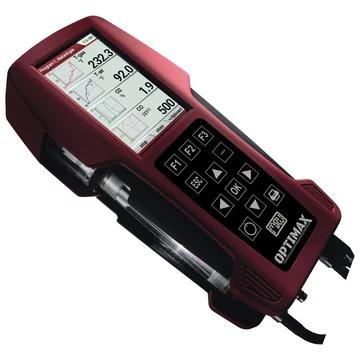
Industrial environments are complex, high-risk spaces where safety depends on constant monitoring and precise control of multiple variables. Among these, gas presence and concentration levels play a critical role. Invisible, odorless, and often highly toxic or flammable gases can quickly turn a normal working environment into a dangerous zone. This is where gas analyzers become essential. They are not just monitoring tools; they act as early warning systems that help prevent industrial accidents and protect both human life and infrastructure.
Gas analyzers are designed to detect and measure the concentration of different gases in the air. Whether it is carbon monoxide, methane, hydrogen sulfide, oxygen deficiency, or volatile organic compounds, these devices provide real-time data that allows industries to take immediate action. Without accurate gas detection, even a minor leak can escalate into a serious incident such as fire, explosion, or health hazard.
One of the primary ways gas analyzers help prevent accidents is through continuous monitoring. In industries such as oil and gas, chemical manufacturing, mining, and wastewater treatment, gas emissions are a routine part of operations. However, when these emissions go unchecked, they can reach dangerous levels. Gas analyzers continuously track these levels and alert operators if they exceed safe limits. This real-time monitoring ensures that potential threats are identified before they become critical.
Early detection is crucial in preventing industrial accidents. Many hazardous gases are not easily noticeable by human senses. For example, carbon monoxide is colorless and odorless, yet highly toxic. Hydrogen sulfide has a distinct smell at low concentrations but becomes undetectable at higher, more dangerous levels. Gas analyzers eliminate the need for human detection by providing accurate readings regardless of sensory limitations. This capability significantly reduces the risk of exposure and allows for faster response times.
Another important aspect is leak detection. Gas leaks are one of the leading causes of industrial accidents. A small leak in a pipeline or storage unit can go unnoticed until it leads to a major incident. Gas analyzers help identify even the smallest leaks at an early stage. By pinpointing the source of the leak, industries can take corrective action immediately, preventing escalation and minimizing damage.
Gas analyzers also play a key role in ensuring proper ventilation. In enclosed or confined spaces such as tanks, tunnels, and storage areas, gas accumulation can quickly reach dangerous levels. Monitoring these spaces is essential before and during entry. Gas analyzers help assess air quality and ensure that oxygen levels are sufficient while harmful gases remain within safe limits. This is especially important for worker safety, as confined space accidents are often severe and sometimes fatal.
In addition to safety, gas analyzers support compliance with regulatory standards. Governments and environmental agencies have strict guidelines regarding permissible emission levels. Failing to meet these standards can result in heavy penalties, legal issues, and reputational damage. Gas analyzers provide accurate data that helps industries stay within regulatory limits. By maintaining compliance, companies not only avoid legal consequences but also demonstrate their commitment to safety and environmental responsibility.
Another critical function of gas analyzers is their integration with safety systems. Modern analyzers are often connected to automated control systems that can trigger alarms, shut down operations, or activate ventilation systems when gas levels become unsafe. This automation reduces reliance on manual intervention and ensures immediate response, which is vital in emergency situations. The ability to act instantly can make the difference between a minor issue and a major accident.
Worker safety is one of the most significant benefits of using gas analyzers. Employees working in industrial environments are constantly exposed to potential hazards. Prolonged exposure to toxic gases can lead to serious health issues, while sudden exposure to high concentrations can be life-threatening. Portable gas analyzers allow workers to monitor their immediate surroundings in real time. These devices provide alerts if gas levels rise unexpectedly, enabling workers to evacuate or take protective measures.
Gas analyzers also contribute to better operational efficiency. When gas levels are properly monitored and controlled, processes run more smoothly and safely. Unexpected shutdowns due to accidents or equipment failure can lead to significant financial losses. By preventing such incidents, gas analyzers help maintain continuous operations and reduce downtime. This not only improves productivity but also enhances overall business performance.
Technological advancements have further enhanced the effectiveness of gas analyzers. Modern devices are more accurate, reliable, and user-friendly. Features such as digital displays, wireless connectivity, data logging, and remote monitoring allow for better analysis and decision-making. Industries can now track gas trends over time, identify patterns, and implement preventive measures based on data insights. This proactive approach is far more effective than reacting to incidents after they occur.
Another important benefit is the ability to customize gas monitoring solutions based on specific industry needs. Different industries deal with different types of gases and risks. Gas analyzers can be configured to detect specific gases relevant to a particular operation. This targeted monitoring ensures that the most critical hazards are always under control. Whether it is methane in oil fields or ammonia in refrigeration systems, having the right analyzer in place makes a significant difference.
Maintenance and calibration of gas analyzers are also essential to ensure their effectiveness. Regular checks and calibration help maintain accuracy and reliability. A well-maintained analyzer provides consistent performance and trustworthy data, which is crucial for safety decisions. Industries that prioritize maintenance are better equipped to prevent accidents and respond effectively to potential risks.
Training is another key factor in maximizing the benefits of gas analyzers. Employees need to understand how to use these devices correctly, interpret readings, and respond to alerts. Proper training ensures that the workforce can make the most of the technology available to them. It also builds a culture of safety where every individual is aware of potential risks and knows how to handle them.
In high-risk industries, even a small oversight can have serious consequences. Gas analyzers act as a safeguard that minimizes these risks. They provide the visibility needed to detect hazards early, the data required to make informed decisions, and the automation necessary for immediate action. By integrating gas analyzers into daily operations, industries create a safer working environment for everyone involved.
The importance of gas analyzers extends beyond accident prevention. They also play a role in environmental protection. Uncontrolled gas emissions can harm the environment and contribute to pollution. By monitoring and controlling emissions, industries can reduce their environmental impact and support sustainability efforts. This aligns with global initiatives aimed at reducing industrial pollution and promoting cleaner practices.
As industries continue to evolve, the need for advanced safety measures becomes even more critical. Gas analyzers are no longer optional; they are a necessity. Their ability to detect, monitor, and respond to gas-related hazards makes them an indispensable part of modern industrial operations. Companies that invest in reliable gas analysis technology are better positioned to prevent accidents, protect their workforce, and maintain efficient operations.
In conclusion, gas analyzers play a vital role in preventing industrial accidents by providing accurate, real-time monitoring of hazardous gases. They enable early detection, support compliance, enhance worker safety, and improve operational efficiency. With continuous advancements in technology, these devices are becoming more powerful and accessible, making it easier for industries to implement effective safety measures. By prioritizing gas monitoring, businesses can create a safer, more reliable, and more sustainable working environment, ensuring long-term success and stability.

 English
 Arabic
 French
 Spanish
 Deutsch
 Turkish
 Dutch
Dutch
 Italiano
 Russian
 Romaian
 Portuguese (Brazil)
 Greek
Greek