


Trichotillomania – Hair Pulling Disorder Explained
The Ultimate Guide to Trichotillomania: Understanding Hair Pulling Disorder and Recovery
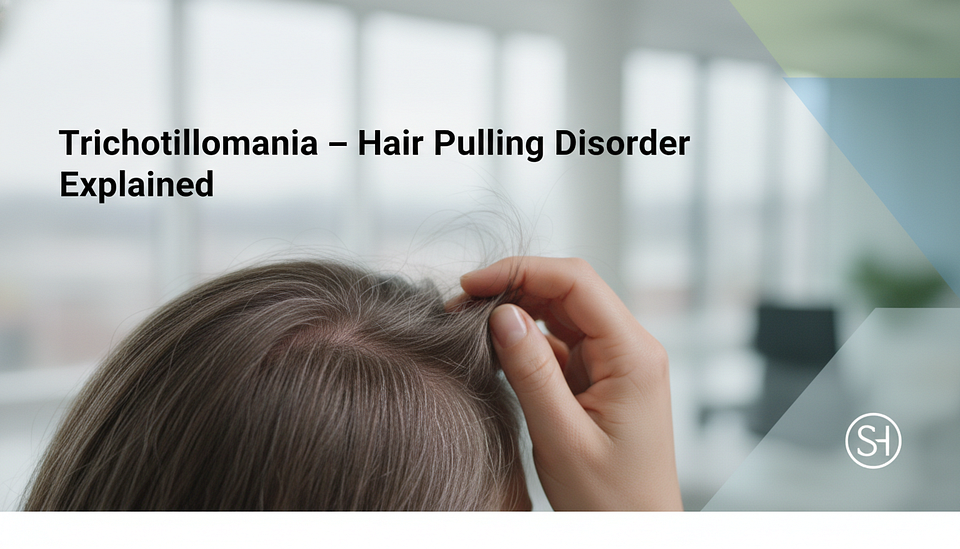
Trichotillomania, often referred to as hair-pulling disorder, is a complex impulse control condition characterized by the compulsive urge to pull out hair from the scalp, eyebrows, or other areas of the body. For those seeking professional clarity on Trichotillomania Hair Loss, understanding the physiological and psychological drivers is the first step toward effective management.
What Defines Trichotillomania?
Classified under the spectrum of Body-Focused Repetitive Behaviors (BFRBs), trichotillomania is more than a simple habit. It is a recognized mental health condition where individuals experience an irresistible tension that is only relieved by pulling hair. This leads to noticeable patchy hair loss, which can cause significant emotional distress and social anxiety.
Symptoms and Indicators of Compulsive Hair Pulling
- Repeatedly pulling hair out, typically from the scalp, eyelashes, or eyebrows.
- An increasing sense of tension before pulling or when attempting to resist the urge.
- A sense of pleasure, relief, or gratification after the hair is pulled.
- Shortened hair or thinned/bald areas on the scalp or other body parts.
- Preferences for specific types of hair or patterns of pulling.
The Role of a Trichologist in Recovery
While the root causes of trichotillomania are often psychological — linked to stress, anxiety, or chemical imbalances — the physical toll on the scalp requires specialist attention. A professional trichologist plays a vital role in assessing the damage to hair follicles and providing Trichotillomania Hair Loss solutions that promote regrowth and scalp health. Prolonged pulling can lead to folliculitis or permanent scarring (traction alopecia), making early intervention critical.
Evidence-Based Treatment and Management
Managing this disorder typically involves a multi-faceted approach. Habit Reversal Training (HRT) is the gold standard in behavioral therapy, helping patients identify triggers and substitute the pulling action with a non-destructive behavior. From a trichological perspective, topical treatments can be used to soothe an irritated scalp and stimulate dormant follicles that have been traumatized by repetitive pulling.
Contact Business
For expert guidance and scalp health assessments, contact Shuna Hammocks Trichology:
Website: Shuna Hammocks Trichology
Phone: 07860 387332
Address: Willow Suite, The Anderida Practice, Forest Row, West Sussex, RH18 5HE
Google Business Profile: View Our Profile
Maps Location: Find Us on Google Maps
Knowledge Graph: Entity Information

 English
 Arabic
 French
 Portuguese
 Deutsch
 Turkish
 Dutch
Dutch
 Italiano
 Russian
 Romaian
 Portuguese (Brazil)
 Greek
Greek