


The Best Way to Treat Fatty Liver Before It Turns Serious
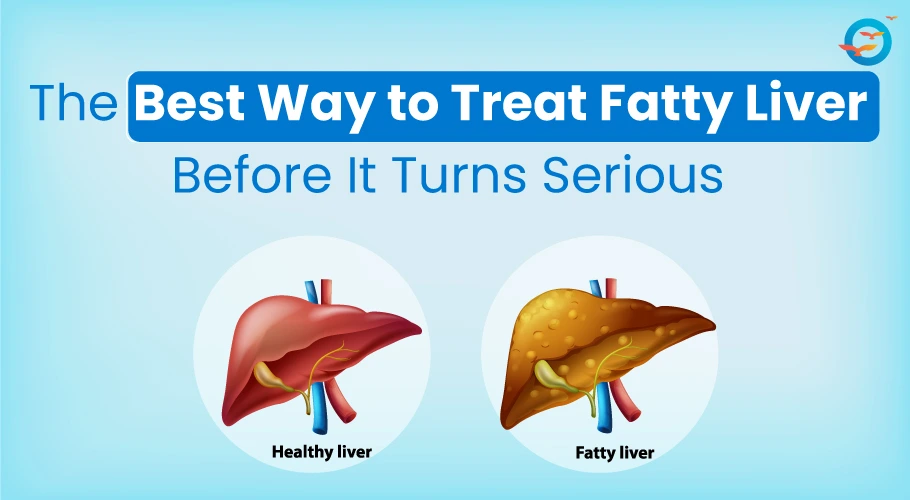
Fatty liver is one of the most common lifestyle-related health conditions today. What makes it dangerous is not rapid progression, but how silently it develops. Many people live with fatty liver for years without noticeable symptoms, only discovering it when liver damage has already begun.
The best way to treat fatty liver is early and structured intervention—before it progresses to fibrosis or becomes difficult to reverse.
Can Fatty Liver Be Detected Without a Scan?
Yes, early signs can often be identified through simple blood tests. One useful indicator is the SGPT/SGOT ratio. When this ratio is higher than 1, it may suggest fat accumulation in the liver.
While imaging tests like sonography help confirm diagnosis, you don’t always need to wait for a scan to begin improving your liver health. Early action based on blood markers can make a significant difference.
Why Does Fat Accumulate in the Liver?
Fatty liver is not just caused by eating fatty foods. In many Indian diets, excess carbohydrates play a major role.
· Foods like wheat and rice convert into glucose
· Excess glucose is stored as fat in the liver
· High oil and ghee consumption adds additional load
However, the most important factor is insulin. Elevated insulin levels promote fat storage in the liver. Without managing insulin, reversing fatty liver becomes difficult.
The Best Way to Treat Fatty Liver: A 3-Step Approach
1. Reduce Carbohydrates (Short-Term Strategy)
You don’t need extreme dieting—just adjust portions.
· Reduce chapati or rice quantity
· Avoid eating both together
· Increase vegetables, dal, and salads
Even a few weeks of controlled carbohydrate intake can improve liver markers.
2. Control Oil and Ghee Intake (Medium-Term Strategy)
Many households unknowingly consume excess oil.
· Limit intake to about 2 teaspoons per person per day
· Avoid fried foods and heavy gravies
This helps reduce the fat load on the liver.
3. Lower Insulin Levels (Long-Term Strategy)
High insulin is a key driver of fatty liver.
· Focus on structured eating patterns
· Include fasting if done safely
· Prioritize hydration and balanced nutrition
Lowering insulin helps the body release stored fat from the liver naturally.
Why Early Treatment Matters
Fatty liver is reversible in its early stages. If ignored, it can progress to fibrosis, where recovery becomes much harder.
Simple lifestyle changes—like reducing grains, controlling oil, and improving insulin sensitivity—can prevent long-term damage and restore liver health.
For a detailed guide on diet, insulin control, and recovery strategies, visit:
https://www.freedomfromdiabetes.org/
The Bottom Line
Fatty liver is not just a disease—it’s a metabolic warning sign. Acting early with small, consistent changes can reverse the condition before it becomes serious.
Focus on balance, not extremes—and your liver will respond.

 English
 Arabic
 French
 Spanish
 Portuguese
 Deutsch
 Turkish
 Dutch
Dutch
 Russian
 Romaian
 Portuguese (Brazil)
 Greek
Greek