


EPR Process: Step-by-Step Guide to Extended Producer Responsibility
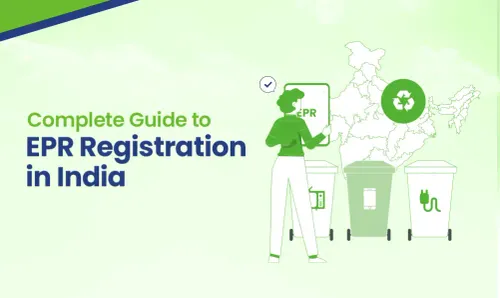
As environmental challenges continue to rise, proper waste management has become a major global priority. One effective approach introduced to tackle the growing waste crisis is Extended Producer Responsibility (EPR). This concept ensures that producers, importers, and brand owners (PIBOs) take responsibility for managing the waste generated from their products once they reach the end of their life cycle. To implement this system effectively, it is important to understand the EPR Process from registration to compliance.
What is the EPR Process.
The EPR process refers to the series of steps a producer or importer must follow to comply with government regulations related to waste management. It involves obtaining EPR registration, submitting an action plan, fulfilling collection and recycling obligations, and reporting compliance to the authorities.
In India, the process is regulated by the Central Pollution Control Board (CPCB) under the Ministry of Environment, Forest and Climate Change (MoEFCC). It applies to various sectors, including plastic packaging, electronic waste, batteries, and tires. The goal is to make companies more responsible for their products from creation to disposal.
Step-by-Step Breakdown of the EPR Process
1. Identification of Responsibility
The first step is to determine whether your business falls under the EPR framework. Producers, importers, and brand owners dealing with materials that generate post-consumer waste — like plastic packaging, e-waste, or batteries — are required to obtain EPR authorization.
2. Online Registration with CPCB
Once eligibility is confirmed, the next step is EPR registration on the CPCB’s online portal. Applicants must provide details such as:
· Company registration documents
· GST and PAN numbers
· Type of products manufactured or imported
· Estimated waste generation
This step ensures transparency and accountability.
3. Preparation of the EPR Action Plan
After registration, the producer must prepare an EPR Action Plan outlining how the company plans to collect, recycle, and dispose of post-consumer waste. This plan should include:
· Waste collection targets
· Tie-/ups with authorized recyclers or PROs (Producer Responsibility Organizations)
· Recycling and recovery methods
The plan demonstrates how the company will meet its environmental obligations.
4. Submission and Approval
The CPCB reviews the submitted documents and action plan. If all requirements are met, the board issues an EPR Authorization Certificate, allowing the entity to legally operate under EPR compliance.
5. Implementation and Record-Keeping
Once authorized, the company must execute the plan by ensuring waste collection and recycling through approved recyclers or waste handlers. Regular monitoring and documentation of all recycling activities are crucial.
6. Annual Reporting and Renewal
Producers are required to submit annual compliance reports to CPCB detailing the amount of waste collected, recycled, or disposed of. Failure to meet targets may result in penalties or suspension of authorization. Renewal of the EPR certificate must be done before its expiry.
FOR MORE DETAILS: https://www.filemyepr.in/
Conclusion
The EPR process plays a vital role in promoting sustainable waste management by shifting the responsibility from consumers and local bodies to producers. It not only ensures compliance with environmental laws but also encourages industries to innovate and design eco-friendly products. By following the EPR process diligently, companies can contribute significantly to reducing pollution and building a sustainable future where waste is minimized, and resources are efficiently reused.

 English
 Arabic
 French
 Spanish
 Portuguese
 Deutsch
 Turkish
 Dutch
Dutch
 Russian
 Romaian
 Portuguese (Brazil)
 Greek
Greek