


Letterhead Printing in 2026: Is It Still Relevant for Small Businesses?
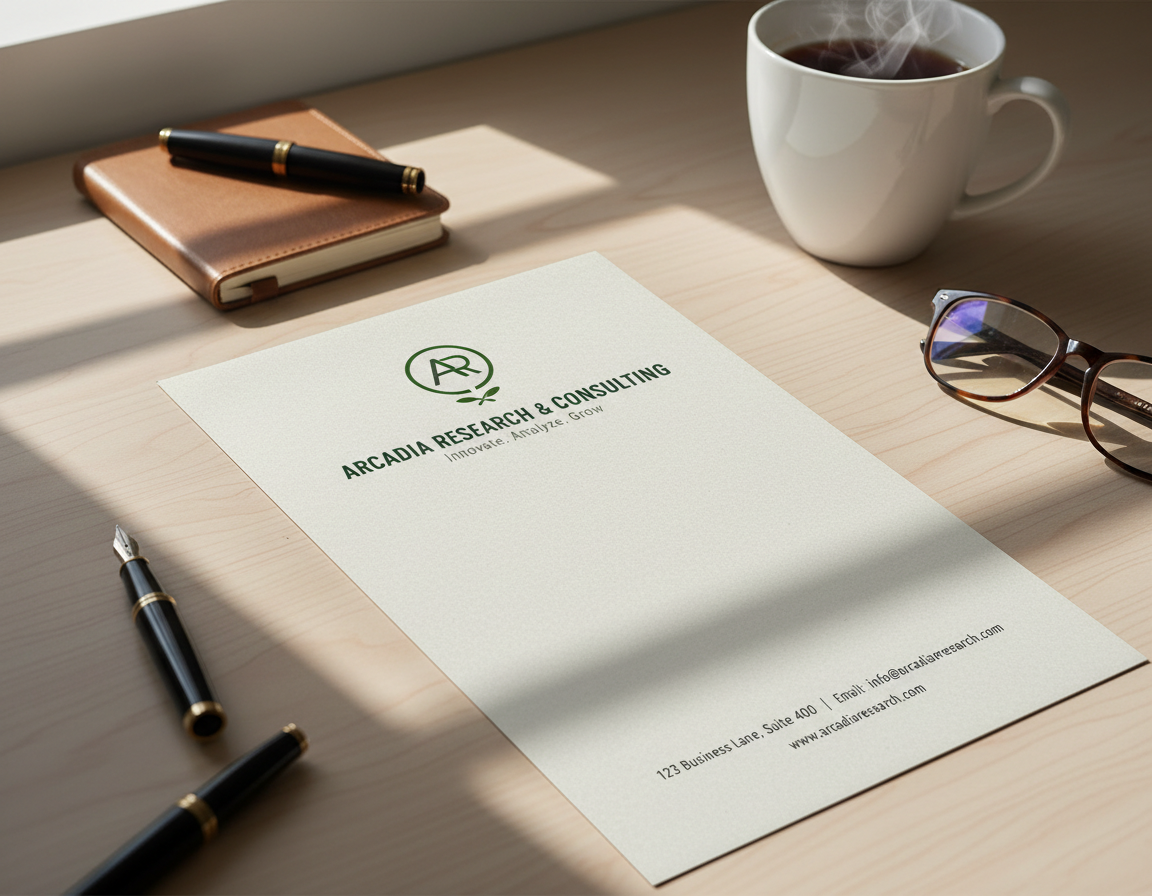
If you ask most new small business owners whether they need letterheads in 2026, the first reaction is usually a bit of confusion.
It feels like one of those things that should have quietly disappeared by now. Along with fax machines and printed memos.
Everything is digital, right? Emails, PDFs, e-signatures, cloud folders… even invoices are often automated.
So why would anyone still bother printing company letterheads?
And yet, if you look closely at how small businesses actually operate in the UK, the answer becomes a bit less straightforward.
Because letterheads didn’t vanish. They just stopped being obvious.
Small business life is still not fully digital (even if it looks like it is)
On the surface, small businesses look modern now.
They use accounting software, send quotes by email, take payments online, and communicate through WhatsApp or CRM systems.
But once things move into anything formal, things get slightly messy again.
A supplier asks for “proper documentation”.
A client wants a signed version on headed paper.
An accountant prefers structured paperwork.
A local authority requests something in a very specific format.
And suddenly, the fully digital workflow doesn’t feel so complete anymore.
That’s usually when letterheads quietly come back into the picture.
Not as a branding exercise — more like a practical fix.
A letterhead still changes how a document feels
This is something people don’t always notice until they compare both versions side by side.
A plain document printed letterhead or exported from Word feels neutral. It’s just information on a page.
But a letter with proper letterhead formatting — company name, structured layout, consistent positioning — immediately feels more “official”.
Nothing about the content has changed.
But the reaction changes.
It stops feeling like something informal that someone quickly put together, and starts feeling like something that represents a real business process.
That small shift still matters in 2026, especially when you’re dealing with new clients or organisations that don’t know you yet.
Digital branding is strong — just not always “formal enough”
Digital branding is actually very powerful now.
A good website can make a one-person business look established. A well-designed email signature can add polish. Even PDFs can be beautifully branded.
But digital branding has a slightly different purpose.
It’s built for visibility and communication speed.
Not for formality.
And that’s where small businesses sometimes hit a gap without realising it.
Because when a document needs to feel “official” rather than just “designed”, digital formatting alone doesn’t always carry that weight.
It’s not a failure of design — it’s just a different context.
Why letterheads still quietly survive in real business use
Most small businesses don’t decide to “keep using letterheads” as a strategy.
It just happens gradually.
You start with digital-only documents. It works fine.
Then a situation comes up where something needs to look more formal.
So you create a simple letterhead template.
Then you reuse it.
Then it becomes part of your system without much discussion.
And before long, it’s just… there.
Used occasionally, but consistently enough that removing it doesn’t feel necessary.
Trust is still the real reason they matter
There’s a practical side to letterheads, but there’s also a psychological one.
When someone receives a document from a small business they don’t know well, they subconsciously look for signals.
Is this organised?
Is this real?
Does this feel stable?
A letterhead doesn’t answer all those questions, but it helps frame the document in a more structured way.
And that framing matters more than people think.
Small businesses, especially new ones, rely heavily on first impressions. And documents are often part of that first impression, whether they realise it or not.
It’s not about replacing digital — it’s about filling a gap
One mistake people make is thinking this is a competition between paper and digital.
It’s not.
Digital tools handle 90% of communication now. And they do it extremely well.
Letterheads exist in the remaining 10% — the formal, structured, slightly more serious side of communication.
Things like:
-
official letters
-
structured business correspondence
-
client-facing confirmations
-
documentation that may be stored or forwarded later
It’s not frequent. But it’s not gone either.
And that’s why letterheads haven’t disappeared — they’ve just become situational.
Small businesses actually benefit from simplicity here
One underrated reason letterheads still exist is not branding at all.
It’s speed.
When you’ve got a ready-made template, you don’t waste time adjusting margins, headers, fonts, or layout every time you need to send something formal.
You just use it.
That sounds small, but for a small business owner juggling multiple roles, it removes one more decision from the day.
And those small efficiencies add up.
Letterheads in 2026 look different from before
It’s worth saying that modern letterhead printing isn’t what it used to be.
You don’t see businesses ordering thousands and storing them in cabinets anymore.
Most print in smaller batches, update designs more often, and align them with their digital branding.
So it’s not really “old stationery culture” anymore.
It’s more like a lightweight extension of branding — used when needed, not constantly.
So… are they still relevant?
Yes, but not in the old way.
They’re not essential for every business.
They’re not used every day.
And they’re definitely not the core of branding anymore.
But they still exist for a reason that hasn’t gone away:
Some communication still needs to feel formal, structured, and unmistakably official.
And in those moments, a letterhead still does something digital branding alone doesn’t fully replace.
Final thought
Small businesses in 2026 don’t choose between digital branding and letterheads.
They use both — just for different situations.
Digital handles speed and visibility.
Letterheads handle structure and formality.
And even though the balance has shifted heavily towards digital, the need for clarity in official communication hasn’t disappeared.
That’s why letterheads are still here.
Not because business hasn’t changed — but because some parts of business still need to feel real on paper.
If you want more information visit I You Print.

 English
 Arabic
 French
 Spanish
 Deutsch
 Turkish
 Dutch
Dutch
 Italiano
 Russian
 Romaian
 Portuguese (Brazil)
 Greek
Greek