


High Cholesterol: Symptoms, Causes and Treatment
High Cholesterol: Symptoms, Causes and Treatment
Understanding Cholesterol and Its Role in the Body
Cholesterol is often misunderstood as something entirely harmful, but in reality it is an essential substance required for many important functions in the body. It is a waxy, fat-like material involved in hormone production, bile formation for digestion, and the synthesis of Vitamin D, which supports metabolism. Since cholesterol is not soluble in blood, it travels through the bloodstream with the help of lipoproteins, which are combinations of fats and proteins.
These lipoproteins help transport cholesterol to different parts of the body where it is needed, ensuring that vital biological processes function properly. However, an imbalance in cholesterol levels can create health risks, particularly when certain types of cholesterol become elevated.
Types of Cholesterol and Their Functions
Cholesterol is commonly classified into two main types based on the lipoproteins that carry it.
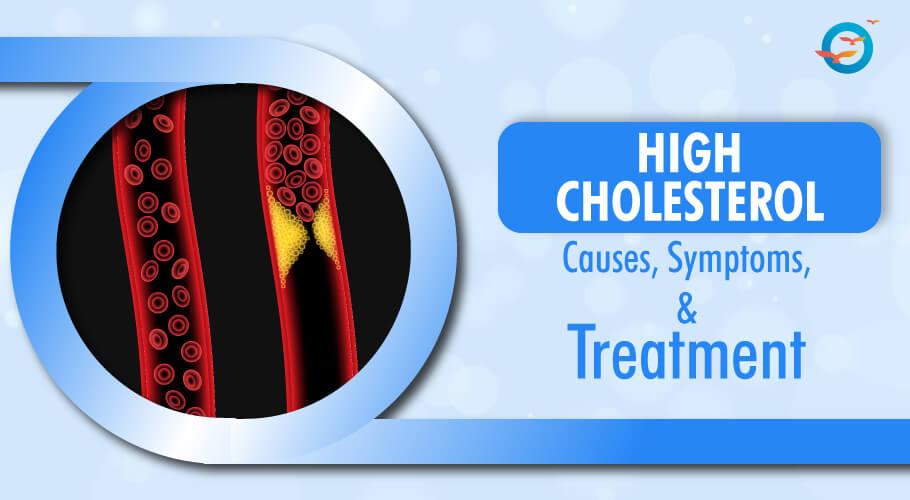
Low density lipoprotein is responsible for carrying cholesterol to the cells. When present in excess, it can accumulate in the walls of arteries and form plaque. Over time, this buildup narrows the arteries and restricts blood flow, a condition known as atherosclerosis. In severe cases, plaque can break off and block blood flow, increasing the risk of heart attacks and strokes. Because of these harmful effects, LDL is referred to as bad cholesterol.
High density lipoprotein works in the opposite way. It helps remove excess cholesterol from the bloodstream and transports it back to the liver, where it is processed and eliminated. HDL is therefore known as good cholesterol because it helps maintain balance and protects against cardiovascular problems.
Dangers of High Cholesterol
High cholesterol becomes dangerous when LDL levels rise and begin to accumulate in the arteries. This buildup is often a result of consuming diets rich in saturated fats, commonly found in animal-based foods and processed products. Over time, these deposits can restrict blood flow and increase the chances of serious conditions such as heart disease and stroke.
Although the body requires cholesterol, it is important to understand that it produces sufficient amounts on its own. Excess intake through diet, especially from animal products like meat, eggs, and full-fat dairy, can contribute to elevated cholesterol levels. Plant-based foods, on the other hand, do not contain cholesterol and are generally considered safer for maintaining healthy levels.
Safe Cholesterol Levels
Medical guidelines suggest that total cholesterol levels should ideally remain below 5.5 millimoles per liter for individuals without cardiovascular risk factors. For those with existing risks such as high blood pressure, diabetes, smoking habits, or a history of heart disease, LDL levels should be kept lower, typically not exceeding 2 millimoles per liter. Regular monitoring is important to ensure that cholesterol levels remain within a healthy range.
Symptoms of High Cholesterol
One of the challenges with high cholesterol is that it usually does not produce noticeable symptoms in its early stages. It is often referred to as a silent condition because individuals may not experience any warning signs until complications arise.
In many cases, people only become aware of high cholesterol after experiencing serious health issues such as a heart attack or stroke. This is why regular cholesterol screening is strongly recommended, even for individuals who feel healthy and do not have any visible symptoms.
Dietary Factors Affecting Cholesterol
Diet plays a significant role in maintaining cholesterol balance. Foods high in saturated fats and trans fats are major contributors to elevated LDL levels. These include animal-based products such as fatty meats, full-fat dairy products, processed meats like sausages and ham, deep-fried foods, heavily salted snacks, confectionery items, and packaged processed foods.
On the other hand, incorporating fresh fruits, vegetables, legumes, seeds, beans, and leafy greens into daily meals can support better cholesterol management. A diet rich in natural, plant-based foods helps improve metabolism and reduces the intake of unhealthy fats.
Lifestyle Changes for Better Cholesterol Control
In addition to dietary improvements, lifestyle habits play an equally important role in controlling cholesterol levels. Regular physical activity helps improve HDL levels while lowering LDL levels. Activities such as walking, jogging, and strength training contribute to better cardiovascular health and overall metabolic balance.
Maintaining a healthy body weight is another crucial factor, as excess weight is associated with higher LDL levels and increased triglycerides. Managing blood sugar levels is also important, as high glucose levels can increase the risk of arterial damage and cardiovascular diseases.
Smoking should be avoided because it damages blood vessels and allows LDL cholesterol to enter arterial walls more easily, leading to plaque formation. Similarly, limiting alcohol consumption is important, as excessive intake can increase triglyceride levels and negatively affect liver function.
Medical Treatment and When It Is Needed
In some cases, lifestyle and dietary changes alone may not be sufficient to control cholesterol levels. This can happen due to genetic factors or underlying metabolic conditions. In such situations, doctors may recommend medications to help lower LDL cholesterol.
Even when medication is prescribed, maintaining a healthy diet and active lifestyle remains essential. These complementary approaches work together to improve overall outcomes and reduce the risk of complications.
Managing and Reversing High Cholesterol
Managing high cholesterol requires a comprehensive approach that includes diet, exercise, stress management, and regular medical supervision. Addressing these factors together helps improve metabolic health and supports long term well being.
With consistent lifestyle changes and proper guidance, it is possible to manage cholesterol levels effectively and reduce the risk of heart related diseases.
To Read More

 English
 French
 Spanish
 Portuguese
 Deutsch
 Turkish
 Dutch
Dutch
 Italiano
 Russian
 Romaian
 Portuguese (Brazil)
 Greek
Greek