


Sewage Plant Contractor In The Philippines And Waste-to-Energy Projects
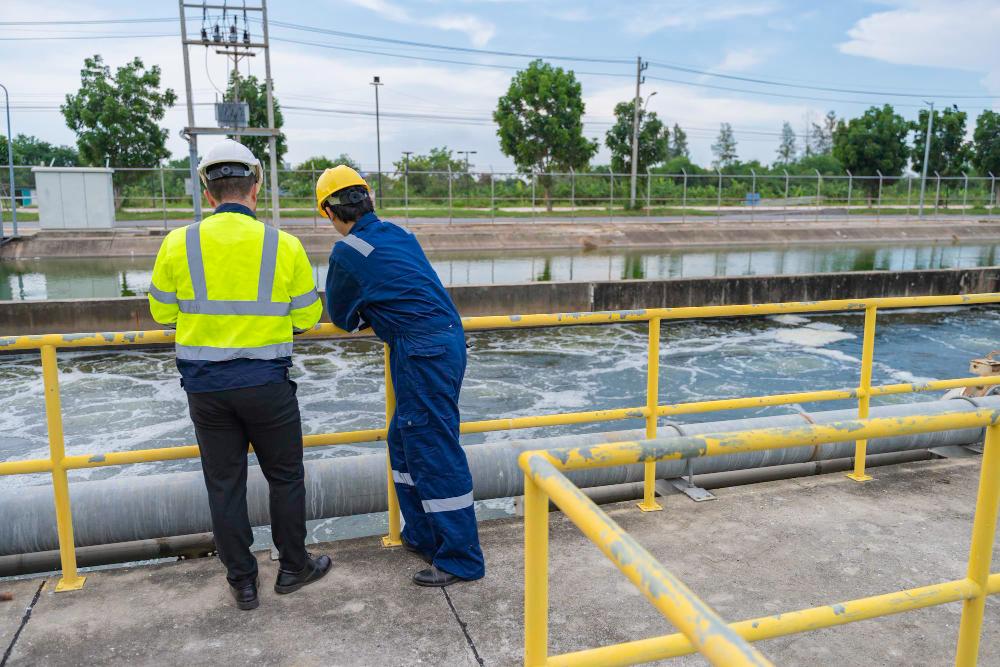
A sewage plant contractor in the Philippines works on systems that treat wastewater and manage sludge safely. These systems reduce pollution and improve sanitation in growing cities. New projects now connect wastewater treatment with energy recovery. This approach converts waste into useful energy, supporting cleaner operations and long-term environmental goals.
Waste-to-energy projects focus on turning organic waste into power or fuel. These systems use sludge from treatment plants as a resource instead of a byproduct. This shift supports better waste handling while reducing landfill use. It also introduces new technical processes that improve how facilities operate over time.
What Is Waste-to-Energy
Waste-to-energy refers to methods that convert waste materials into usable energy. Common outputs include electricity, heat, or biogas. In sewage treatment plants, organic matter found in sludge becomes a key input. Through controlled processes, this material can generate energy while reducing the volume of waste.
These systems rely on biological and thermal processes. One common method is anaerobic digestion, where microorganisms break down organic material without oxygen. This produces biogas that can be used as fuel. The process also reduces harmful substances found in untreated sludge.
Why It Matters
Urban areas in the philippines produce large amounts of wastewater every day. Traditional treatment methods focus on removing contaminants but often leave behind large volumes of sludge. Managing this sludge requires space, cost, and long-term planning. Waste-to-energy projects provide an alternative approach to this challenge.
By converting sludge into energy, treatment plants can reduce disposal needs. This also lowers operational costs over time. Energy produced on-site can support plant operations, reducing dependence on external power sources. This approach supports both environmental and economic goals in wastewater management.
Role of Contractors
A sewage plant contractor in the Philippines designs, builds, and maintains treatment facilities. These contractors apply engineering knowledge to create systems that meet environmental standards. In waste-to-energy projects, their role expands to include energy recovery systems and advanced treatment technologies.
Contractors work with different stakeholders, including local governments and private developers. They assess site conditions, design system layouts, and supervise construction. Their work supports proper integration of treatment and energy systems. This ensures that facilities operate efficiently and meet required performance levels.
Key Technologies
Waste-to-energy systems in sewage plants use several key technologies. Anaerobic digesters are widely used to process sludge and produce biogas. These sealed tanks create controlled conditions for microbial activity. The gas produced can be stored and used as a fuel source within the facility.
Another method involves thermal treatment, such as incineration or gasification. These processes use high temperatures to convert waste into energy. While effective, they require careful design to manage emissions. A sewage plant contractor in the philippines often evaluates which technology fits the project’s scale and needs.
Biogas Production
Biogas is a major output of waste-to-energy systems in sewage plants. It contains methane, which can be used for power generation. After collection, the gas is cleaned and processed before use. This step removes impurities that may affect equipment performance or safety.
Once treated, biogas can fuel generators to produce electricity. Some facilities also use it for heating processes within the plant. This reduces reliance on external energy sources. Over time, this setup supports more stable and cost-efficient plant operations.
Environmental Impact
Waste-to-energy systems help reduce the environmental impact of wastewater treatment. By converting sludge into energy, these systems lower the amount of waste sent to landfills. This reduces greenhouse gas emissions linked to waste decomposition. It also supports better land use in urban areas.
In addition, energy recovery reduces the need for fossil fuels. Facilities that produce their own energy can operate with a smaller carbon footprint. A sewage plant contractor in the philippines integrates these systems to meet both environmental and regulatory standards in modern infrastructure projects.
System Integration
Each component must work together without disrupting the overall process. Contractors design systems that balance treatment efficiency and energy production. This includes selecting proper equipment and layout for smooth operations.
Monitoring systems also play a key part in integration. Sensors track performance data such as gas output and treatment levels. This information helps operators adjust processes as needed. Proper integration supports consistent performance and reduces system downtime.
Challenges
Initial costs for advanced systems can be high. This includes equipment, installation, and technical expertise. Some facilities may require upgrades before adding energy recovery components.
Another challenge involves managing system complexity. These projects require skilled operation and maintenance. A sewage plant contractor in the philippines addresses these concerns through proper design and training. This helps maintain system reliability and long-term performance.
Future Outlook
Waste-to-energy projects are becoming more common in wastewater management plans. These systems support both environmental protection and energy efficiency. As technology improves, more facilities may adopt these approaches.
Government policies and urban development also influence this trend. New regulations often promote resource recovery and waste reduction. This creates opportunities for contractors to develop advanced treatment systems. Over time, waste-to-energy projects may become a standard part of sewage plant design.
Key Takeaway
A sewage plant contractor in the philippines contributes to modern wastewater systems that go beyond basic treatment. Waste-to-energy projects turn sludge into useful energy, reducing waste and supporting efficient operations. These systems combine treatment and energy recovery in a single process, offering a practical approach to sustainable infrastructure development.

 English
 Arabic
 French
 Spanish
 Portuguese
 Deutsch
 Turkish
 Dutch
Dutch
 Russian
 Romaian
 Portuguese (Brazil)
 Greek
Greek