


Signs Your Body Is Fighting a Bacterial Infection
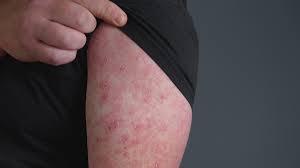
Bacterial infections can affect almost any part of the body, from the skin and lungs to the digestive system and urinary tract. These infections occur when harmful bacteria multiply and overpower the body’s natural defenses, leading to symptoms that range from mild discomfort to severe illness. Recognizing the early signs that your body is fighting a bacterial infection can help you seek timely treatment and prevent complications.
1. Fever and Chills
One of the most common signs of a bacterial infection is a fever. When bacteria invade the body, the immune system releases chemicals called pyrogens that raise your body temperature to make the environment less hospitable for the pathogens. A fever is often accompanied by chills and sweating as your body tries to regulate temperature. Persistent or high-grade fever (above 101°F or 38.3°C) should never be ignored, as it may indicate a serious infection requiring medical attention.
2. Fatigue and Weakness
When your immune system is actively fighting bacteria, your body diverts energy toward defense mechanisms. This immune response can leave you feeling unusually tired, weak, or drained, even after adequate rest. Fatigue caused by infection often comes with other symptoms such as body aches, headaches, or muscle pain. Persistent fatigue lasting more than a few days may be a sign that your body is struggling to overcome a bacterial infection.
3. Swelling and Redness
Localized swelling, redness, and warmth around an affected area are classic signs of bacterial infection, particularly with skin infections like cellulitis or abscesses. This inflammation occurs because the immune system increases blood flow to the infected region, bringing white blood cells to fight off the bacteria. If you notice pus, increased pain, or spreading redness, it could indicate a deeper or worsening infection that requires antibiotics such as azithromycin or amoxicillin.
4. Pain and Tenderness
Pain is another major sign your body is battling bacteria. The discomfort may be localized (like in a sore throat or ear infection) or more widespread, depending on where the bacteria have taken hold. The pain results from inflammation and tissue damage caused by bacterial toxins and immune system activity. For instance, a urinary tract infection may cause burning sensations during urination, while sinus infections can cause facial pain and pressure.
5. Persistent Cough or Respiratory Symptoms
If you’re experiencing a persistent cough, chest congestion, or shortness of breath, your body may be fighting a bacterial infection in the respiratory tract, such as pneumonia or bronchitis. Unlike viral infections that usually improve on their own, bacterial respiratory infections often worsen over time and require antibiotic treatment. In Australia, people often buy amoxicillin online Australia or azithromycin buy online Australia as these antibiotics are effective for treating bacterial respiratory issues under a doctor’s supervision.
6. Digestive Changes
Bacterial infections can also affect the gastrointestinal system. Symptoms such as nausea, vomiting, diarrhea, and abdominal cramps may indicate a bacterial infection like food poisoning or gastroenteritis. In these cases, the body attempts to expel the bacteria and toxins through vomiting and diarrhea. Staying hydrated and seeking medical care are crucial to prevent dehydration and ensure recovery.
7. Swollen Lymph Nodes
Lymph nodes play an important role in filtering bacteria and other harmful substances from the body. When you have a bacterial infection, these glands—found in areas like the neck, armpits, and groin—may become swollen and tender. This swelling is a clear indication that your immune system is actively working to trap and destroy the invading bacteria.
8. Unusual Discharge or Odor
Certain bacterial infections, such as urinary tract infections, ear infections, or sexually transmitted infections, can cause abnormal discharge or unpleasant odors. For example, bacterial vaginosis may produce a fishy smell, while pus-like discharge from a wound may signal an infection. These symptoms should never be ignored, as they often require prompt antibiotic treatment.
9. Slow Healing Wounds
If cuts, scrapes, or wounds take an unusually long time to heal or show signs of infection (such as redness, pus, or pain), it could mean that bacteria have entered the area. The immune system’s constant fight to clear the infection can slow down the healing process. Keeping wounds clean and consulting a healthcare provider for proper antibiotics can help speed recovery.
10. Confusion or Dizziness (Severe Infections)
In serious cases, bacterial infections can spread throughout the body and cause sepsis—a potentially life-threatening condition. Symptoms like confusion, dizziness, rapid heartbeat, and difficulty breathing may indicate that the infection has reached the bloodstream. Immediate medical attention is necessary in such situations to prevent organ damage or death.
Treatment and When to Seek Help
When you recognize these warning signs, consulting a healthcare professional is crucial. Depending on the infection type and severity, antibiotics such as azithromycin or amoxicillin may be prescribed. These medications work by stopping bacterial growth and helping your immune system clear the infection more effectively.
Nowadays, patients in Australia can easily buy amoxicillin online Australia or azithromycin buy online Australia from reputable pharmacies. However, it’s essential to use these antibiotics responsibly and only under medical supervision to prevent antibiotic resistance and ensure proper treatment.
Conclusion
Your body sends several signals when it’s fighting a bacterial infection—fever, fatigue, swelling, pain, and other symptoms are all signs that your immune system is working hard to protect you. Recognizing these symptoms early and seeking timely medical care can help prevent complications. With proper rest, hydration, and prescribed antibiotics like azithromycin or amoxicillin, recovery is usually swift and complete. Always remember that self-medication without guidance can be risky, so consult your doctor before starting any antibiotic treatment.

 English
 Arabic
 French
 Portuguese
 Deutsch
 Turkish
 Dutch
Dutch
 Italiano
 Russian
 Romaian
 Portuguese (Brazil)
 Greek
Greek