


India’s Largest Independent Green Hydrogen Plant: A New Benchmark in Clean Energy
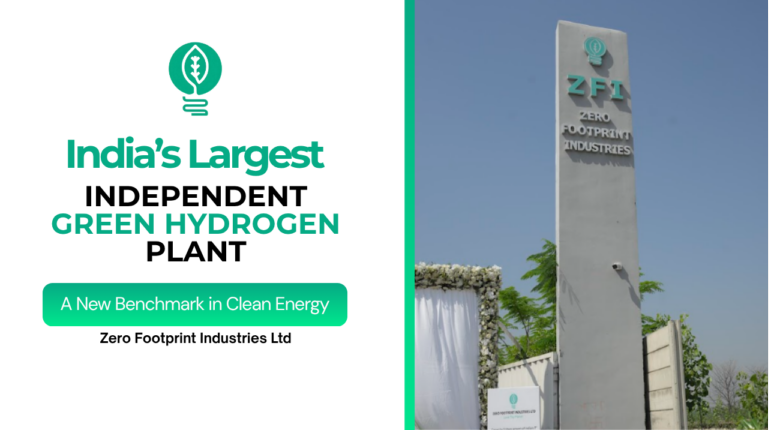
India is moving steadily toward a cleaner and more sustainable energy future. As industries shift away from fossil fuels, green hydrogen is emerging as a powerful alternative. At the heart of this transformation lies a major milestone, the development of India’s largest independent green hydrogen plant, a project that reflects both technological progress and long-term environmental commitment.
This advancement is more than just an infrastructure achievement. It represents a shift in how energy is produced, stored, and used across industries. With rising demand for sustainable solutions, large-scale hydrogen production facilities are becoming essential to meet both industrial needs and climate goals.
Understanding Green Hydrogen and Its Importance
Green hydrogen is produced through the process of electrolysis, where water is split into hydrogen and oxygen using renewable energy sources like solar or wind. Since the electricity used in this process comes from clean sources, the hydrogen produced is entirely free from carbon emissions.
Unlike traditional fuels such as coal or natural gas, green hydrogen does not release greenhouse gases when used. This makes it an ideal solution for industries that are difficult to decarbonize, including steel, chemicals, and heavy transportation.
The establishment of India’s largest independent green hydrogen plant highlights the country’s commitment to scaling this clean energy source and integrating it into mainstream industrial use.
What Does “Independent” Mean in Hydrogen Production?
The term “independent” in the context of a hydrogen plant refers to a facility that operates with its own integrated systems for energy generation, hydrogen production, storage, and sometimes distribution. It is not dependent on external energy grids or third-party supply chains.
This independence offers several advantages:
-
Consistent Production: The plant can operate without disruptions caused by external energy fluctuations.
-
Cost Efficiency: Integration of renewable energy reduces long-term operational costs.
-
Scalability: The facility can expand its capacity as demand increases.
-
Energy Security: Reduced reliance on external energy sources improves reliability.
By building India’s largest independent green hydrogen plant, the country is ensuring that hydrogen production remains stable, efficient, and future-ready.
Key Features of a Large-Scale Green Hydrogen Plant
A project of this scale involves advanced infrastructure and cutting-edge technology. Some of the defining features include:
1. Renewable Energy Integration
The plant is powered entirely by renewable sources such as solar or wind energy. This ensures that the hydrogen produced remains truly green and sustainable.
2. Advanced Electrolysis Systems
High-efficiency electrolyzers are used to split water into hydrogen and oxygen. These systems are designed for large-scale production while maintaining energy efficiency.
3. High-Capacity Storage Solutions
Hydrogen storage is a critical aspect of the operation. The plant includes specialized tanks and systems that ensure safe and efficient storage of hydrogen.
4. Automated Monitoring and Safety Systems
Given the nature of hydrogen, safety is a top priority. Advanced monitoring systems help detect leaks, manage pressure levels, and ensure safe operations at all times.
5. Scalable Infrastructure
The plant is designed to expand as demand grows, making it a long-term solution for industrial energy needs.
These features make India’s largest independent green hydrogen plant a benchmark for future projects in the energy sector.
Industrial Impact of Large-Scale Hydrogen Production
The development of large hydrogen plants is directly linked to industrial transformation. Here’s how such facilities are making a difference:
Steel Manufacturing
Green hydrogen can replace coal in the steel-making process, significantly reducing carbon emissions. Large-scale hydrogen supply ensures that steel producers have consistent access to clean fuel.
Chemical Industry
Hydrogen is a key component in producing ammonia and methanol. Using green hydrogen makes these processes environmentally sustainable.
Energy Storage and Power Generation
Hydrogen can store excess renewable energy and be used to generate electricity when needed, helping stabilize power grids.
Transportation
Hydrogen fuel cells are increasingly being used in heavy vehicles, including buses and trucks. Large production plants ensure a steady supply for this growing sector.
With facilities like India’s largest independent green hydrogen plant, industries can transition to cleaner energy without compromising efficiency or productivity.
Why India is Investing in Large Hydrogen Plants
India’s focus on large-scale hydrogen production is driven by several factors:
-
Rising Energy Demand: As the economy grows, the demand for energy continues to increase.
-
Environmental Goals: India aims to reduce carbon emissions and meet global climate commitments.
-
Renewable Energy Potential: The country has abundant solar and wind resources, making it ideal for green hydrogen production.
-
Industrial Growth: Key sectors require cleaner alternatives to sustain long-term growth.
Investing in projects like India’s largest independent green hydrogen plant allows the country to address these challenges while building a sustainable energy ecosystem.
Challenges in Developing Large Hydrogen Plants
Despite the progress, building large-scale hydrogen facilities comes with challenges:
High Capital Investment
Setting up electrolysis units, renewable energy systems, and storage infrastructure requires significant funding.
Technology Costs
Advanced electrolyzers and storage systems are still evolving, which can increase initial costs.
Infrastructure Development
Transporting hydrogen safely requires pipelines, specialized containers, and distribution networks.
Operational Complexity
Managing large-scale hydrogen production involves technical expertise and strict safety standards.
However, continuous innovation and increasing demand are helping overcome these challenges.
The Role of Innovation and Technology
Technology is at the core of hydrogen production. Recent advancements are making it easier to scale operations and reduce costs:
-
Improved Electrolyzer Efficiency: New systems consume less energy while producing more hydrogen.
-
Better Storage Solutions: Innovations in storage are making hydrogen safer and easier to transport.
-
Digital Monitoring Systems: Automation and AI are improving plant efficiency and safety.
-
Integration with Renewable Grids: Smart systems help balance energy supply and demand.
These developments are ensuring that projects like India’s largest independent green hydrogen plant remain efficient and future-ready.
Contribution of Zero Footprint Industries Ltd
Companies like Zero Footprint Industries Ltd are playing a significant role in advancing hydrogen infrastructure in India. By focusing on sustainable production and scalable solutions, they are contributing to the growth of the hydrogen economy.
With a commitment to clean energy and innovation, Zero Footprint Industries Ltd is helping industries adopt green hydrogen and move toward a low-carbon future.
What This Means for the Future
The establishment of large-scale hydrogen plants marks a turning point in India’s energy journey. It shows that green hydrogen is no longer limited to pilot projects or small-scale operations.
Instead, it is becoming a mainstream energy solution capable of powering entire industries. As more facilities are developed, the cost of hydrogen production is expected to decrease, making it more accessible to businesses of all sizes.
The success of India’s largest independent green hydrogen plant will likely inspire further investments, innovations, and collaborations in the sector.
Conclusion
India is stepping into a new era of clean energy, and green hydrogen is at the center of this transformation. Large-scale projects are proving that sustainable energy solutions can be both practical and economically viable.
The development of India’s largest independent green hydrogen plant is not just a milestone, it is a signal of what the future holds. It demonstrates the country’s ability to innovate, scale, and lead in the global transition to clean energy.
As industries continue to adopt hydrogen-based solutions, the role of such plants will become even more critical. They are not just producing fuel, they are shaping a cleaner, more sustainable future for India.

 English
 Arabic
 French
 Spanish
 Deutsch
 Turkish
 Dutch
Dutch
 Italiano
 Russian
 Romaian
 Portuguese (Brazil)
 Greek
Greek