


Nickel Alloy Welding Electrodes – Properties, Types & Industrial Applications
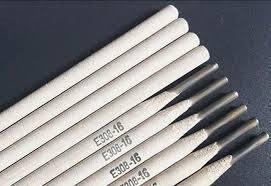
In modern engineering and fabrication, the need for high-performance materials that can withstand extreme conditions is increasing rapidly. Among these materials, Nickel Alloy Welding Electrodes play a vital role in joining components exposed to high temperatures, pressure, and corrosive environments. These electrodes provide strong, durable, and corrosion-resistant welds that are essential in critical industries like oil & gas, power generation, and chemical processing.
What Are Nickel Alloy Welding Electrodes?
Nickel Alloy Welding Electrodes are specialized electrodes used to weld nickel and nickel-based alloys. They are designed to produce strong joints that retain mechanical strength and corrosion resistance even at elevated temperatures.
Nickel alloys contain elements like chromium, molybdenum, and iron, which improve resistance to oxidation, scaling, and chemical corrosion. These electrodes are suitable for welding similar nickel alloys or joining dissimilar metals such as stainless steel and carbon steel.
Key Features of Nickel Alloy Welding Electrodes
Nickel Alloy Welding Electrodes offer several advantages that make them ideal for demanding industrial environments:
-
Excellent Corrosion Resistance: Protects against acids, alkalis, and seawater.
-
High Strength at Elevated Temperatures: Maintains mechanical integrity under extreme heat.
-
Good Weldability: Ensures smooth, defect-free welds with minimal spatter.
-
Resistance to Oxidation and Scaling: Suitable for high-temperature furnace and chemical plant applications.
-
Versatility: Can be used for both overlay and joining operations.
These properties make them an essential choice for industries requiring reliability and long service life.
Types of Nickel Alloy Welding Electrodes
Different types of Nickel Alloy Welding Electrodes are available depending on the alloy composition and application requirements. The most common grades include:
-
ENiCrFe-2 (Inconel 600 Type): Suitable for welding nickel-chromium-iron alloys.
-
ENiCrMo-3 (Inconel 625 Type): Offers superior resistance to oxidation and corrosion.
-
ENiCrMo-4 (Hastelloy C276 Type): Excellent resistance to strong oxidizing and reducing agents.
-
ENiCu-7 (Monel Type): Used for welding nickel-copper alloys.
-
ENiCrFe-3 (Inconel 82 Type): Ideal for joining dissimilar metals like stainless and carbon steels.
Each type of electrode is designed for specific applications where chemical stability and strength are crucial.
Applications of Nickel Alloy Welding Electrodes
Due to their exceptional properties, Nickel Alloy Welding Electrodes are widely used in industries that operate under severe conditions, such as:
-
Oil & Gas Processing Units – For pressure vessels, pipelines, and heat exchangers.
-
Power Generation Plants – Especially in boiler tubes and turbine components.
-
Chemical & Petrochemical Industry – To handle acidic and high-temperature environments.
-
Marine Engineering – For shipbuilding and underwater pipeline welding.
-
Aerospace Industry – For joining high-temperature nickel alloy components.
Their superior performance ensures safety and reliability in high-stress operating systems.
Advantages of Using Nickel Alloy Welding Electrodes
Here’s why Nickel Alloy Welding Electrodes are preferred over conventional electrodes:
-
Withstand high thermal stress and temperature fluctuations.
-
Minimize cracking and porosity during welding.
-
Provide uniform, smooth weld beads.
-
Suitable for both manual and automated welding processes.
-
Ensure long-lasting and corrosion-resistant joints.
These benefits make them ideal for critical operations where weld integrity is non-negotiable.
How to Choose the Right Nickel Alloy Welding Electrode
Selecting the right Nickel Alloy Welding Electrode depends on several factors, including:
-
Base Metal Composition – Match electrode alloy with the parent material.
-
Operating Conditions – Consider temperature, pressure, and exposure to chemicals.
-
Welding Process – Choose according to the process (SMAW, TIG, or MIG).
-
Mechanical Properties Required – Strength, ductility, and toughness.
Proper selection ensures the weld joint’s performance and longevity.
Conclusion
Nickel Alloy Welding Electrodes are essential components for producing strong, corrosion-resistant, and durable welds in critical industries. Their ability to perform under harsh environments, combined with excellent metallurgical properties, makes them indispensable in industrial fabrication. Whether used in marine structures, power plants, or refineries, these electrodes guarantee reliable performance and long-term efficiency.

 English
 Arabic
 French
 Spanish
 Portuguese
 Deutsch
 Turkish
 Dutch
Dutch
 Italiano
 Russian
 Romaian
 Portuguese (Brazil)