


How to plan the ultimate Kenya and Tanzania safari for an epic 2026 trip
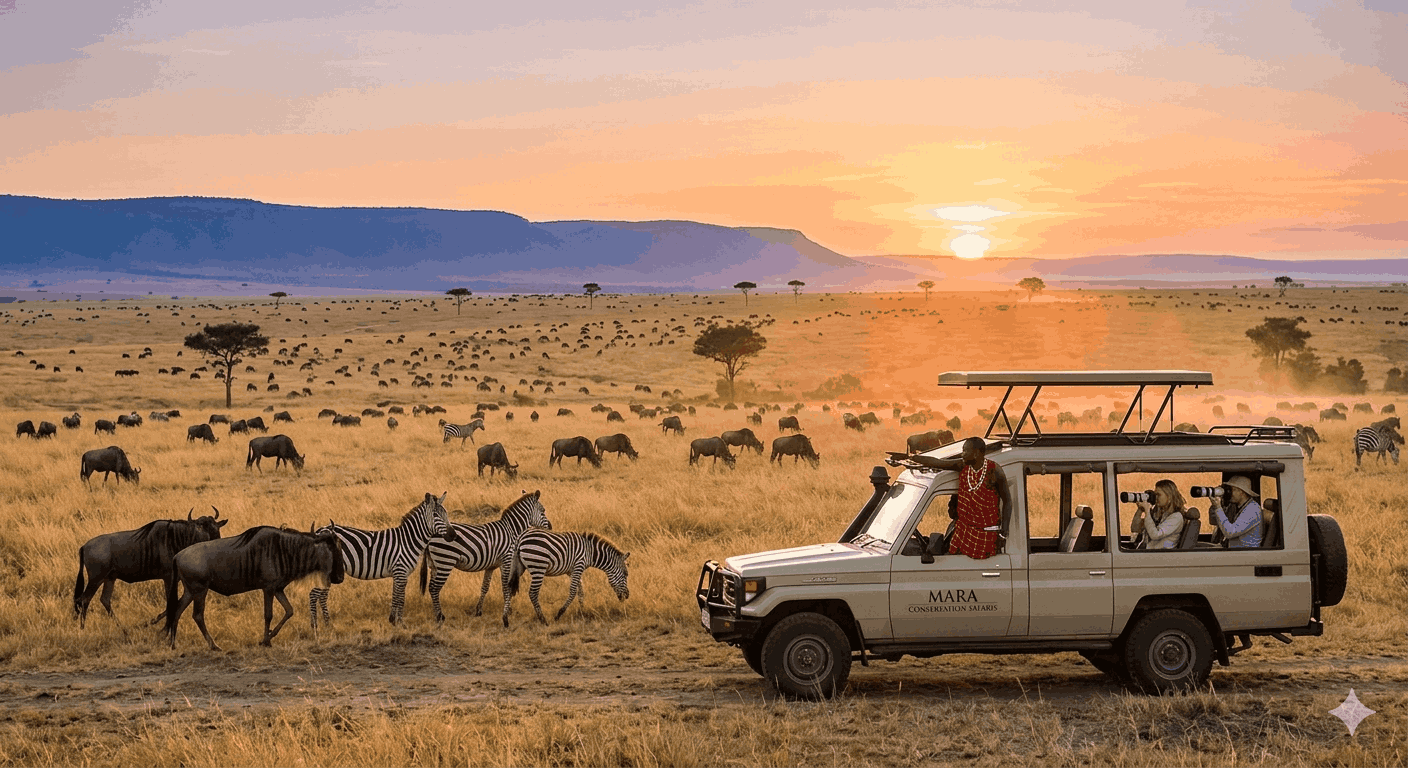
Embarking on a journey through East Africa represents the pinnacle of wildlife exploration, offering a profound connection to the natural world that few other experiences can match. The region, defined by the vast plains of the Serengeti and the iconic hills of the Masai Mara, serves as the theater for the greatest wildlife show on earth. A Kenya and Tanzania safari is not merely a vacation; it is an immersive descent into ecosystems that have remained largely unchanged for millennia. As we look toward 2026, the trends in African travel are shifting toward deeper, more sustainable, and highly personalized adventures. Travelers are moving away from rushed itineraries, opting instead for "slow travel" that prioritizes quality time in specific conservancies and meaningful engagement with local communities like the Maasai and Hadzabe.
Planning a dual country expedition requires a delicate balance of logistics, timing, and an understanding of the seasonal movements of the animal kingdom. While Kenya offers the legendary Mara and views of Mount Kilimanjaro from Amboseli, Tanzania provides the sheer scale of the Ngorongoro Crater and the endless horizons of the central Serengeti. Combining these two powerhouses allows for a comprehensive perspective on East African biodiversity. From the moment you land in Nairobi or Arusha, the air smells of acacia and red dust, signaling the start of a transformation. This guide serves as a professional and analytical roadmap to navigating the complexities of these landscapes, ensuring that your 2026 expedition is as seamless as it is breathtaking.
The rhythmic pulse of the Great Migration and seasonal timing
The foundation of any successful Kenya and Tanzania safari is an intimate understanding of the Great Migration, a continuous circular journey of over two million wildebeest, zebras, and gazelles. This is not a single event but a year-round cycle driven by the search for green grass and water. In 2026, climatologists expect standard rainfall patterns, which means the herds will likely follow their traditional route. During the months of July through September, the action is concentrated in the northern Serengeti and the Masai Mara. This is when the dramatic river crossings occur, as herds brave crocodile-infested waters to reach the lush grazing lands of Kenya. Witnessing a crossing is a raw display of survival that requires patience and a skilled guide who understands animal behavior.
Beyond the migration, the "Green Season" from March to May offers a different kind of magic. While these are the months of the long rains, the landscape transforms into an emerald paradise. For photographers, the clarity of the air and the vibrant colors provide the perfect backdrop for capturing wildlife. This period also coincides with the calving season in the southern Serengeti, where thousands of wildebeest calves are born within a short window, attracting high concentrations of predators like lions and cheetahs. Traveling during this time often results in lower costs and fewer crowds, making it an excellent choice for those seeking a more private experience. According to technical definitions found on Wikipedia, this movement is one of the most significant ecological phenomena in the world, impacting the entire soil chemistry and vegetation of the region.
When selecting your dates, consider the "Shoulder Seasons" of June and October. These months offer a transition where the weather is pleasant, and the wildlife viewing remains exceptional without the peak season price tag. In Tanzania, the dry season from late June to October is widely considered the best time for general game viewing because animals congregate around permanent water sources. The vegetation is thinner during these months, which significantly improves visibility for spotting elusive leopards or distant prides of lions. Understanding these nuances is the first step in crafting an itinerary that aligns with your specific interests, whether they be high-drama river crossings or the quiet beauty of a newborn zebra taking its first steps.
Navigating the iconic circuits of Kenya and Tanzania
A well-structured Kenya and Tanzania safari often begins in Nairobi, a city that has evolved into a sophisticated hub for conservation and commerce. Before heading into the bush, a visit to the Sheldrick Wildlife Trust or the Giraffe Centre provides essential context for the conservation efforts protecting the species you are about to see. From Nairobi, the path usually leads to the Masai Mara National Reserve. Here, the rolling grasslands provide a classic safari aesthetic. For a more exclusive experience, many professionals recommend staying in the private conservancies surrounding the main reserve. These areas offer restricted vehicle counts and allow for activities not permitted in the national park, such as night game drives and guided bush walks.
Crossing the border into Tanzania introduces a shift in scale. The Serengeti National Park is vast, covering nearly 15,000 square kilometers. It is often divided into sectors: the South for calving, the Central (Seronera) for year-round resident wildlife, the Western Corridor for the Grumeti River crossings, and the North for the Mara River drama. A common mistake is trying to see the entire park in two days; instead, focus on the area where the migration is currently located. South of the Serengeti lies the Ngorongoro Crater, a collapsed volcano that creates a self-contained ecosystem. The crater floor is home to approximately 25,000 large animals, including a healthy population of the endangered black rhino. Because the animals here are resident, the game viewing is reliable year-round, though the crater can become crowded during peak hours.
To round out the Tanzanian portion of the journey, Tarangire National Park and Lake Manyara offer unique botanical and avian diversity. Tarangire is famous for its ancient baobab trees and massive elephant herds, which are some of the largest in Africa. Lake Manyara, known for its tree-climbing lions and soda lake filled with flamingos, provides a lush contrast to the arid plains. For those interested in the latest research on sustainable tourism and park management, Google News frequently features updates on how these parks are adapting to climate change and increased visitor numbers in 2026. This circuit, combining the Mara, Serengeti, and Ngorongoro, represents the "Holy Trinity" of East African safaris, providing a comprehensive look at the region's diverse habitats.
Logistics, budgeting, and the 2026 travel landscape
The logistical side of a Kenya and Tanzania safari has become more streamlined with the introduction of digital platforms, yet it still requires professional oversight. In 2026, Kenya has fully transitioned to an Electronic Travel Authorisation (eTA) system, replacing traditional visas. Tanzania continues to use its eVisa portal, and for travelers visiting both countries, the East Africa Tourist Visa remains a popular option, though it is currently primarily for Kenya, Rwanda, and Uganda. Always check the latest requirements as they can change based on bilateral agreements. Health remains a priority, and a Yellow Fever vaccination certificate is often required when crossing the land border between Kenya and Tanzania.
Budgeting for such a trip involves understanding the tiers of accommodation. A "Budget Safari" typically involves public campsites and shared vehicles, costing between $200 and $400 per person per day. "Mid-Range Safaris" utilize permanent tented camps with en-suite facilities and better food options, ranging from $500 to $800. For the "Luxury Safari" tier, costs can exceed $1,500 per day. These high-end lodges are often situated in the best wildlife locations and provide private vehicles, gourmet dining, and inclusive activities. As highlighted in Forbes, luxury travel in Africa is increasingly focused on "philantourism," where a portion of the nightly rate directly funds community schools or anti-poaching units. This shift ensures that your presence contributes positively to the preservation of the wild spaces you enjoy.
Transportation between parks is another critical decision. "Drive-in" safaris allow you to see the countryside and interact with local villages, but they involve long hours on dusty roads. "Fly-in" safaris utilize small bush planes to jump between airstrips, maximizing your time on game drives but increasing the overall cost. For a 2026 itinerary, many experts suggest a "Hybrid" approach: driving through the scenic sections like the Great Rift Valley and flying over the long stretches between the Masai Mara and the Serengeti. This balance provides a sense of place without the fatigue of excessive road travel. Additionally, remember to factor in park fees, which have seen moderate increases to support infrastructure and ranger salaries, ensuring the long-term viability of these national treasures.
Essential preparations and cultural etiquette for travelers
Packing for a Kenya and Tanzania safari is an exercise in minimalism and practicality. Most small aircraft have strict weight limits, often around 15 kilograms in soft-sided bags. Neutral colors like khaki, olive, and tan are recommended to blend into the environment and avoid attracting Tsetse flies, which are drawn to dark blue and black. Layers are essential; the mornings on the Ngorongoro rim can be freezing, while the afternoons on the Serengeti plains are quite hot. High-quality binoculars are perhaps the most important piece of gear you can bring, as they transform a distant speck into a detailed view of a cheetah’s tear marks or a bird’s intricate plumage.
Cultural engagement is a significant part of the East African experience. When visiting a Maasai Boma or a local market, it is vital to approach with respect and a spirit of learning. Always ask for permission before taking photographs of individuals, as many cultures consider it intrusive. In 2026, more lodges are facilitating authentic exchanges where guests can participate in daily activities like beadwork or traditional cooking. These interactions are most rewarding when they are mutual; come prepared with questions about their way of life and share stories of your own home. This human connection often becomes the most cherished memory of the trip, rivaling even the most spectacular wildlife sightings.
Finally, consider the environmental impact of your journey. The "Plastic Ban" in both Kenya and Tanzania is strictly enforced; travelers should not bring plastic carrier bags into either country. Opt for reusable water bottles and support lodges that use solar power and waste-recycling systems. The goal of a modern safari is to leave the smallest footprint possible while gaining the largest possible understanding of our planet's beauty. By choosing responsible operators and being a conscious traveler, you help ensure that the lions of the Mara and the elephants of Amboseli will still be there for generations to come.
The allure of a Kenya and Tanzania safari lies in its ability to strip away the complexities of modern life and return us to the fundamentals of existence. Whether you are watching the sun set over the Serengeti or listening to the distant roar of a lion from your tent, the experience is one of profound peace and exhilarating discovery. As you plan your 2026 adventure, remember that the most successful trips are those that embrace the unpredictable nature of the wild. With the right preparation, a professional mindset, and a heart open to the wonders of East Africa, your safari will be more than a journey; it will be a milestone in your life story. Start your planning today by consulting with an East African specialist who can turn these vast landscapes into your personal playground.

 English
 Arabic
 French
 Spanish
 Portuguese
 Deutsch
 Turkish
 Dutch
Dutch
 Italiano
 Romaian
 Portuguese (Brazil)
 Greek
Greek