


How Metford 1000 SR Works in the Body: A Complete Medical Breakdown
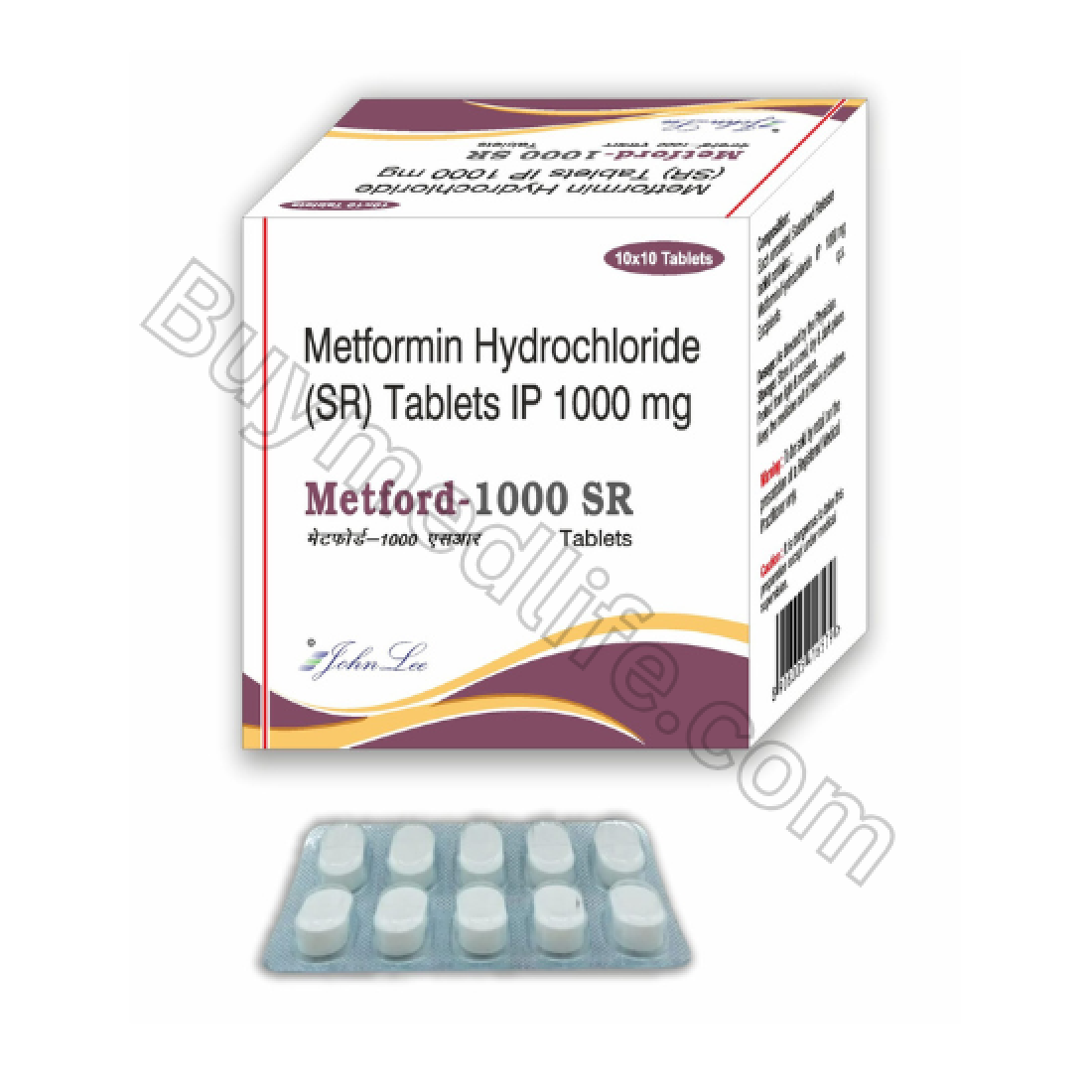
Controlling Type 2 diabetes requires a careful balance of diet, exercise, and medication. Among the most trusted medicines for this purpose is Metford 1000 SR, a sustained-release form of metformin hydrochloride. But how exactly does this drug help manage blood sugar? What processes occur inside your body once you take it?
In this complete guide, we’ll break down the medical mechanism of Metford 1000 SR, explore how it interacts with your organs and cells, and explain how the lower-dose Metford 250 complements diabetes treatment for beginners or those with mild glucose issues.
1. What Is Metford 1000 SR?
Metford 1000 SR is an oral antidiabetic medication containing metformin hydrochloride (1000 mg). The “SR” stands for Sustained Release, meaning the drug is formulated to release its active ingredient slowly over time for prolonged effectiveness.
It belongs to a class of drugs called biguanides, which work differently from insulin or other diabetes medicines. Unlike insulin injections that supply external insulin, Metford 1000 SR improves the body’s natural response to insulin, allowing for better blood sugar control.
2. What Is Metford 250 and How Does It Differ?
Metford 250 is a lower-dose version containing 250 mg of metformin hydrochloride. It is often prescribed for:
-
Individuals newly diagnosed with Type 2 diabetes
-
Patients sensitive to higher doses of metformin
-
Those needing mild glucose control or gradual dosage escalation
While both Metford 250 and Metford 1000 SR have the same active ingredient, the main differences lie in dosage and release speed. Metford 250 acts more quickly but for a shorter duration, whereas Metford 1000 SR maintains stable blood sugar levels over 12–24 hours.
3. How Metford 1000 SR Works: The Scientific Mechanism
To understand how Metford 1000 SR works, it helps to visualize how glucose (sugar) behaves in the body.
After you eat, your digestive system converts carbohydrates into glucose, which enters the bloodstream. The hormone insulin, produced by the pancreas, helps move glucose from the blood into your cells to be used for energy.
In Type 2 diabetes, this process becomes inefficient because of insulin resistance—your cells stop responding properly to insulin. As a result, glucose builds up in your bloodstream, leading to high blood sugar (hyperglycemia).
Metford 1000 SR targets three main mechanisms to fix this:
-
Reduces Glucose Production by the Liver (Hepatic Gluconeogenesis)
The liver naturally produces glucose even when you’re not eating. In diabetics, this process becomes excessive. Metformin (the active ingredient in Metford 1000 SR) inhibits this overproduction, keeping fasting blood sugar levels under control. -
Increases Insulin Sensitivity in Muscles and Fat Cells
The drug helps body cells respond better to insulin. As a result, glucose can enter the cells more efficiently, lowering blood sugar and improving energy utilization. -
Delays Absorption of Glucose from the Intestines
Metford 1000 SR slows down how quickly glucose from food enters the bloodstream, preventing sudden spikes after meals.
This threefold action makes Metford one of the most effective and safest oral drugs for long-term Type 2 diabetes control.
4. Step-by-Step Breakdown: What Happens in the Body After Taking Metford 1000 SR
Let’s look at what happens inside your body after swallowing a Metford 1000 SR tablet:
Step 1: Absorption
Because it’s a sustained-release tablet, Metford 1000 SR is absorbed slowly in the digestive tract. This ensures a steady level of metformin in the blood for up to 24 hours without sudden peaks or drops.
Step 2: Distribution
Once absorbed, metformin is distributed throughout the body, especially in the liver, muscles, and intestines—the main sites of glucose metabolism.
Step 3: Cellular Activation
Metformin activates an enzyme called AMP-activated protein kinase (AMPK). This enzyme acts as a “metabolic switch,” controlling how your body processes energy.
Activated AMPK helps:
-
Decrease glucose production by the liver
-
Enhance glucose uptake by muscles
-
Reduce fat storage
-
Improve energy efficiency
Step 4: Glucose Reduction
Within a few hours, blood sugar levels start to drop gradually—not drastically—ensuring safe and sustained glucose control.
Step 5: Elimination
Metformin is excreted through the kidneys without being broken down by the liver, which means minimal interference with other organ systems.
5. Metford 250 and Early-Stage Diabetes Control
For people starting diabetes treatment, Metford 250 plays a crucial role. Doctors often begin with a low dose (250 mg once or twice daily) to let the body adjust to metformin’s effects. This minimizes side effects such as:
-
Nausea
-
Mild diarrhea
-
Stomach discomfort
Once tolerance builds, patients may transition to higher doses like Metford 1000 SR for long-term management.
Even at 250 mg, the drug works on the same AMPK pathway, promoting better insulin function and metabolic health.
6. Effects of Metford 1000 SR on Different Organs
a. Liver
Metformin reduces the liver’s glucose output by suppressing the process of gluconeogenesis. This is especially effective in controlling fasting blood sugar levels.
b. Muscles
It enhances glucose uptake in skeletal muscles, ensuring that sugar is used for energy instead of accumulating in the bloodstream.
c. Intestines
Metformin decreases glucose absorption and promotes beneficial gut bacteria, improving overall metabolic health.
d. Pancreas
While Metford 1000 SR doesn’t increase insulin production directly, it reduces insulin resistance, allowing the pancreas to function more efficiently with less strain.
e. Fat Cells
Metformin reduces the conversion of glucose into fat, supporting weight stability or mild weight loss.
7. Metford 1000 SR and Energy Metabolism
By activating AMPK, Metford 1000 SR essentially reprograms how your cells handle energy. It shifts your body from a “storage mode” to a “utilization mode”—meaning your body burns more glucose and stores less fat.
This metabolic shift not only improves diabetes control but also supports:
-
Weight management
-
Lower cholesterol levels
-
Better cardiovascular health
This is why some people on Metformin-based drugs like Metford 250 or 1000 SR experience improved stamina and reduced fatigue.
8. How Long Does It Take for Metford 1000 SR to Work?
-
Initial Effect: Within 48–72 hours of the first dose
-
Full Effect: Usually visible after 1–2 weeks of consistent use
-
Optimal Control: Achieved after 4–6 weeks, especially when combined with diet and exercise
Remember, Metford 1000 SR isn’t a quick fix—it works best as part of a long-term, lifestyle-based diabetes management plan.
9. Factors That Influence Metford 1000 SR’s Effectiveness
The drug’s performance can vary depending on:
-
Diet: High-sugar foods can reduce its impact.
-
Exercise: Regular activity improves insulin sensitivity.
-
Hydration: Adequate water intake supports kidney function.
-
Timing: Taking it with meals reduces stomach upset and enhances absorption.
-
Consistency: Missing doses may cause fluctuations in blood sugar control.
Even when starting with Metford 250, maintaining consistent habits ensures better outcomes when transitioning to Metford 1000 SR.
10. Combination Therapy: Using Metford 1000 SR with Other Medications
Metford 1000 SR is often combined with other diabetes drugs when monotherapy isn’t enough. These include:
-
Sulfonylureas (e.g., glimepiride)
-
DPP-4 inhibitors (e.g., sitagliptin)
-
SGLT2 inhibitors (e.g., empagliflozin)
-
Insulin (in advanced cases)
Metformin serves as the base medication, enhancing the effectiveness of these drugs while maintaining safety and minimizing weight gain risks.
11. Common Side Effects and Safety Profile
Metford 1000 SR is considered one of the safest diabetes medications available. However, mild side effects may occur initially:
Common Side Effects
-
Nausea
-
Diarrhea
-
Stomach discomfort
-
Metallic taste
These usually subside as your body adapts. Taking the medication with food helps minimize discomfort.
Rare Side Effects
-
Lactic acidosis (extremely rare): A serious buildup of lactic acid, often associated with kidney dysfunction or excessive alcohol use.
Always consult your doctor if you experience unusual fatigue, breathing issues, or muscle pain.
12. Can Metford 1000 SR Be Used Beyond Diabetes?
Yes, doctors sometimes prescribe Metford 250 or 1000 SR for conditions like:
-
PCOS (Polycystic Ovary Syndrome): Improves insulin resistance and helps regulate periods.
-
Prediabetes: Delays the onset of full Type 2 diabetes.
-
Obesity: Helps reduce appetite and improve fat metabolism.
However, off-label use should always be supervised by a healthcare professional.
13. Benefits of Metford 1000 SR Beyond Blood Sugar Control
-
Promotes weight stability or mild weight loss
-
Reduces LDL cholesterol and triglycerides
-
Improves energy levels
-
Lowers the risk of cardiovascular disease
-
Enhances overall metabolic health
These additional benefits make Metford 1000 SR and Metford 250 an essential part of modern diabetes therapy.
14. Who Should Avoid Metford 1000 SR?
Avoid or use cautiously if you have:
-
Severe kidney or liver disease
-
Alcohol dependence
-
Severe dehydration
-
Uncontrolled heart failure
Always undergo kidney function tests before starting or continuing metformin-based medications.
15. Final Thoughts: The Power of Metford 1000 SR in Diabetes Management
Metford 1000 SR offers a scientifically proven, multi-layered approach to diabetes control. By lowering liver glucose production, improving insulin sensitivity, and regulating intestinal absorption, it keeps blood sugar levels steady without drastic side effects.
Meanwhile, Metford 250 serves as an ideal starting dose, ensuring smooth adaptation and gradual improvement for those new to treatment.
When combined with a balanced diet, regular exercise, and medical monitoring, both Metford 1000 SR and Metford 250 help patients regain energy, improve metabolism, and maintain a healthier lifestyle.
This isn’t just about controlling numbers—it’s about empowering your body to function efficiently from the inside out.

 English
 Arabic
 French
 Spanish
 Portuguese
 Deutsch
 Turkish
 Dutch
Dutch
 Italiano
 Russian
 Romaian
 Portuguese (Brazil)