


Why Australian Industries Are Rapidly Shifting to Commercial Solar Power
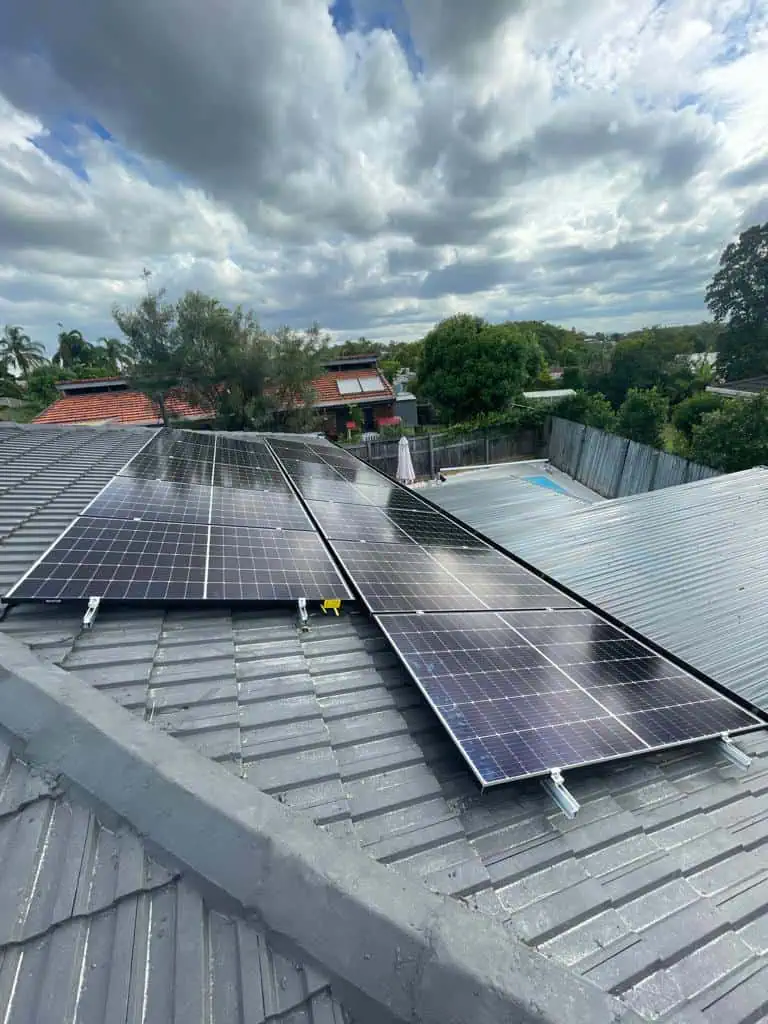
In recent years, a major energy shift has been sweeping across the Australian industrial landscape. From manufacturing plants to logistics hubs and commercial complexes, businesses are increasingly turning to commercial solar power as their primary energy solution. But why is this shift happening so rapidly, and what makes solar power such a compelling choice for Australian industries?
Rising Energy Costs Driving Urgency
One of the biggest motivators behind the switch is the continual rise in electricity prices. Australia has long grappled with some of the highest commercial electricity rates in the world, which directly impact the bottom line of energy-intensive businesses. By investing in solar power systems, companies can drastically reduce their reliance on the grid, achieving long-term savings and shielding themselves from volatile energy prices.
For industries where power consumption is non-stop—like food processing, metal fabrication, and cold storage—solar power offers predictable and stable energy costs. With a typical return on investment (ROI) period of 3 to 5 years, the financial benefits are now too substantial to ignore.
Government Incentives and Renewable Energy Targets
Australia's state and federal governments are offering a range of solar subsidies, tax incentives, and rebate programs that make commercial solar installations even more attractive. Initiatives like the Small-scale Renewable Energy Scheme (SRES) and Large-scale Renewable Energy Target (LRET) are helping businesses offset initial installation costs.
Moreover, as Australia moves toward its net-zero carbon goals, the pressure is mounting on industries to reduce their carbon emissions. Installing solar panels is a quick and highly visible step toward achieving sustainability targets, making it a win-win for businesses seeking both financial and environmental benefits.
Technological Advancements in Solar Solutions
Today's solar technology is more efficient, scalable, and cost-effective than ever before. With innovations in photovoltaic (PV) panels, smart inverters, and energy storage systems, businesses can now install solar arrays that are tailored specifically to their energy needs.
Additionally, battery storage solutions allow industries to store excess energy generated during peak sunlight hours and use it during nighttime or cloudy days. This level of energy independence enhances operational efficiency and ensures power continuity—even in times of grid outages.
Growing Consumer and Investor Expectations
Another key driver is the growing demand for environmental accountability. Consumers are increasingly preferring eco-conscious brands, and investors are pushing companies to adopt ESG (Environmental, Social, and Governance) practices. Adopting solar energy sends a strong message about a company’s commitment to sustainability.
Industries that make the shift can also gain competitive advantages by marketing themselves as green businesses. It strengthens brand reputation, opens doors to eco-conscious contracts, and even improves employee satisfaction and retention.
Abundant Solar Resources Across Australia
Australia enjoys some of the highest solar radiation levels in the world, making it an ideal location for solar energy generation. Whether in urban industrial parks or remote mining operations, the country's geography supports year-round solar harvesting. This natural advantage ensures that solar systems deliver optimal output, improving efficiency and maximizing returns on investment.
Conclusion
Australian industries are not just experimenting with commercial solar power—they are fully embracing it. The combination of financial savings, government support, modern technology, environmental responsibility, and geographical advantage makes solar energy a logical and strategic move.
As global energy landscapes evolve, those businesses that invest in renewable solutions today will stand stronger, cleaner, and more resilient tomorrow. Commercial solar power is no longer just a trend—it’s becoming the backbone of Australia’s industrial future.
How to Plan a Successful Commercial Solar Installation for Your Industry

 English
 Arabic
 French
 Spanish
 Deutsch
 Turkish
 Dutch
Dutch
 Italiano
 Russian
 Romaian
 Portuguese (Brazil)
 Greek
Greek