


Sustainable Building with GI Sheets in the Philippines: An Eco-Friendly Option
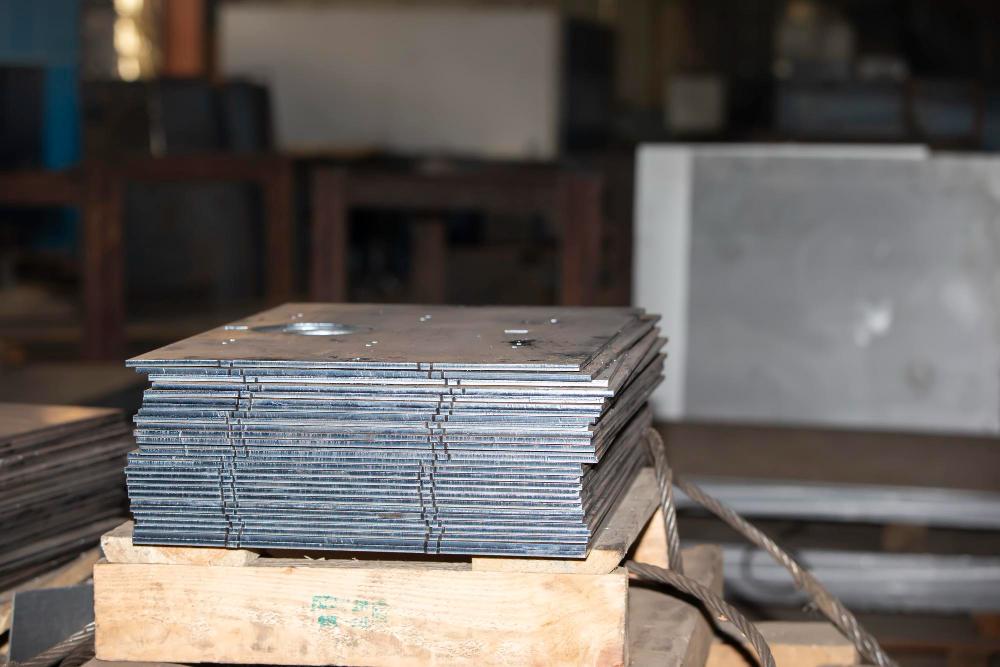
The need for sustainable building materials is a major concern in the Philippines as the country faces increasing environmental changes. While GI sheets, or Galvanized Iron sheets, are widely known for their strength and low cost, they also offer significant eco-friendly benefits. GI sheets in the Philippines provide a surprisingly sustainable choice for builders focused on reducing their project’s environmental impact. Their strength and long service life make them a responsible and practical option in many types of construction projects.
What is the Role of GI Sheets in Sustainable Construction?
Throughout a building's whole life cycle, sustainable construction refers to the use of resource-efficient and environmentally conscious materials and techniques. Using materials that are long-lasting, low-maintenance, and recyclable when their useful lives are over is part of this. When compared to materials that are heavy, non-recyclable, or need to be replaced frequently, GI sheets perform exceptionally well in fulfilling these requirements.
Galvanization is the process of applying a protective layer of zinc to steel to create GI sheets. GI sheets have a high degree of embodied sustainability because steel is one of the most recycled materials in the world. By protecting the material from rust and corrosion, the zinc coating significantly increases its lifespan. This longer lifespan is essential for cutting waste and the need for frequent material production in the Philippines' humid, coastal climate.
Why Are GI Sheets Considered an Eco-Friendly Material?
The eco-friendly qualities of GI sheets are rooted in three main areas: their long lifespan, their complete recyclability, and their contribution to energy efficiency in a tropical climate. These factors make them a smart choice that helps projects qualify for green building certifications. Choosing a material that lasts longer and can be fully reused significantly lowers the overall environmental footprint of any structure.
High Recyclability and Reduced Waste
Steel is known for being 100% recyclable without losing its quality or inherent properties. When GI sheets reach the end of their decades-long service life, both the steel base and the zinc coating can be melted down and used to create new products. This closed-loop system reduces the demand for raw materials and conserves natural resources like iron ore and coal. In the Philippines, where waste management is a challenge, using a fully recyclable material like GI sheet metal is a major step toward sustainability.
Exceptional Durability and Longevity
The zinc coating on GI sheets acts as a "sacrificial" layer, meaning it corrodes before the base steel does, preserving the sheet's structural integrity. This allows GI sheets to last for 20 to 50 years, or even longer in less severe environments. This outstanding longevity reduces the need for material replacement and minimizes the waste that construction projects generate over time. Less frequent maintenance is also required, which saves resources like paint, chemicals, and labor costs over the life of the building.
Contribution to Energy Efficiency
In the tropical heat of the Philippines, keeping buildings cool without constantly using air conditioning is key to saving energy. GI sheets, especially those with lighter-colored or pre-painted finishes, have a high solar reflectance. This means they reflect a large percentage of the sun’s heat away from the building, preventing heat from being absorbed into the structure. By keeping the interior space cooler, GI sheet roofing helps lower the building's cooling load and reduces electricity consumption. This is a direct, practical way to make a building more sustainable.
How Can Builders Maximize the Sustainability of GI Sheets?
To fully harness the eco-friendly potential of GI sheets, builders should follow certain best practices regarding material selection, installation, and end-of-life planning. Simple choices during the design and construction phases can greatly improve the material's environmental performance. Proper use ensures that the sheet's natural advantages translate into a truly sustainable building project.
Choosing the Right Finish
Selecting GI sheets with a pre-painted light color or white finish is an easy way to boost energy efficiency. Light colors maximize solar reflectivity, turning the roof into a "cool roof" that greatly reduces heat transfer into the building. This simple selection choice can noticeably reduce the temperature inside and decrease the reliance on mechanical cooling systems. Using pre-painted sheets also removes the environmental impact of on-site painting and finishing.
Proper Installation and Maintenance
Correct installation is necessary to ensure the long life and sustainability of the sheets. Proper fastening, overlapping, and sealing prevents water intrusion and minimizes the risk of damage from strong typhoons and high winds. Builders should also follow a simple, periodic inspection routine to check for small damages or weaknesses. Minimizing defects from the start and quickly fixing any small issues prevents corrosion from spreading, which ensures the material meets its long expected lifespan.
Integrating with Other Systems
GI sheets can also serve as the structural base for other green technologies. Their strength makes them an ideal platform for installing solar panels on roofs. Pairing a durable, long-lasting GI sheet roof with a renewable energy source creates a highly sustainable building system. This combination maximizes both the service life of the roof and the building's ability to generate clean energy, pushing the structure toward true environmental responsibility.
Key Takeaway
GI sheets are a cornerstone of modern construction and a surprisingly sustainable choice for building projects in the Philippines. The material’s ability to be fully recycled, its low maintenance needs, and its exceptional durability result in less waste and a smaller overall ecological footprint. Furthermore, their reflective properties help reduce cooling costs, directly contributing to energy efficiency. These GI sheets in the Philippines offer a practical, affordable, and highly responsible option for builders committed to a greener future.

 English
 Arabic
 French
 Spanish
 Portuguese
 Turkish
 Dutch
Dutch
 Italiano
 Russian
 Romaian
 Portuguese (Brazil)
 Greek
Greek