


Managing Diabetic Neuropathy with Tapentadol: An Underused Option?
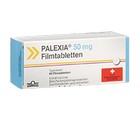
Diabetic peripheral neuropathy is one of the most common and painful complications of diabetes. It affects almost 50% of diabetic population causing painful symptoms such as burning sensations and tingling in limbs particularly in lower limbs. Diabetic neuropathy affects one’s routine, impairing quality of life. Various pharmacological options are available in the market but they have not been able to provide desired and lasting relief as reported by a considerable proportion of patients. They also reported intolerable side effects that are not easy to handle. Amongst the emerging options, Tapentadol stands out as an effective and potentially safer pain management medicine to manage diabetic neuropathy seamlessly.
Understanding the Mechanism of Action
Tapentadol is a centrally acting analgesic (pain-killer) with a unique dual mode of action:
-
μ-opioid receptor (MOR) agonism, offering opioid-like pain relief
-
Norepinephrine reuptake inhibition (NRI), enhancing endogenous pain modulation
This synergistic mechanism is mainly effectual in treating neuropathic pain, which often responds weakly to usual opioids. Unlike traditional opioids that rely solely on MOR activation, Tapentadol addresses both nociceptive and neuropathic components of pain.
Evidence in Diabetic Neuropathy
Several randomized controlled trials proved the efficiency of Tapentadol in managing painful diabetic neuropathy (PDN). A landmark Phase III trial concluded that the extended-release tablets showed efficacy in reducing PDN compared to placebo. Importantly, the pain reduction effect was maintained for over 12 weeks with a positive tolerability profile.
Another extension study that was carried out over a year established that extended-release tablets offered prolonged analgesic effect with improved sleep and life quality. These research findings are relevant in diabetic peripheral neuropathy that often requires long-term pain management approach.
Tolerability and Safety
This pain management medicine offers better gastrointestinal tolerability as compared to the conventional opioids. Additionally, the frequency of gastrointestinal side effects such as nausea, constipation, vomiting is less. This is likely due to the lower MOR binding affinity and the bestowal of NRI to its analgesic effect.
Furthermore, this medicine has a low abuse potential than the conventional ones, as stated by real-world data and pharmacovigilance reports. This is particularly applicable in the current global situation of opioid misuse and regulatory concern.
Why Is It Underused?
Though several clinical studies have established its safety and efficacy, the new-age opioid pain management drug is not prescribed for reducing diabetic neuropathy pain as often as it should. Some of the factors that contribute to this are:
-
Limited awareness amongst the medical practitioners regarding the efficiency of the medicine in managing neuropathy pain
-
Restricted access or higher price in some countries/regions compared to generic variation
-
Confusion with conventional opioids which leads to uncertainty in prescribing
Increased awareness and guidelines updates may assist pose Tapentadol in more appropriate way for diabetic neuropathy treatment.
Positioning in Therapy
This medicine may be beneficial for patients who:
-
Cannot tolerate first-line pain management medicines such as Pregabalin
-
Need dual mechanism for pain management
-
Are allergic to or have contraindications to NSAIDs or traditional opioids
-
Required long-term pain management with a better safety and tolerability profile

 English
 Arabic
 Spanish
 Portuguese
 Deutsch
 Turkish
 Dutch
Dutch
 Italiano
 Russian
 Romaian
 Portuguese (Brazil)
 Greek
Greek