


How to master your authentic Morocco tours for a truly immersive trip
The allure of the Maghreb is not found in its polished monuments alone; it is discovered in the scent of cedar wood in a carpenter’s workshop, the rhythmic clink of a copper smith’s hammer, and the profound silence of the Saharan dunes at twilight. As global travel trends in 2026 pivot toward deeper cultural immersion, authentic Morocco tours have become the gold standard for those seeking a transformative connection with North Africa. Moving beyond the surface level tourist experience requires a nuanced understanding of the country's diverse landscapes and social fabric. Morocco is currently executing its ambitious "Light in Action" tourism roadmap, which aims to welcome 17.5 million visitors by the end of this year. According to Google News, the first quarter of 2026 saw a record 4.3 million arrivals, a 7% increase that underscores the kingdom's growing appeal as a hub for experiential travel. This surge is driven by a desire for experiences that prioritize local heritage, sustainable luxury, and genuine human interaction. To truly master a journey through this "Kingdom of Light," one must navigate the delicate balance between the historic medinas of the north and the nomadic traditions of the south, all while maintaining an analytical eye for quality and authenticity.
Decoding the geography and cultural heritage of the Moroccan interior
Morocco is a land defined by its physical diversity, serving as a gateway between the Mediterranean, the Atlantic, and the African continent. For a technical understanding of its terrain, one can look to Wikipedia, which describes the Atlas Mountains as the "dorsal spine" of the country, a geological barrier that separates the mild coastal plains from the harsh arid expanse of the Sahara. This geography has historically dictated the pace of life and the development of distinct cultural identities. In the north, the Rif Mountains provide a verdant backdrop for the blue city of Chefchaouen, while the High Atlas serves as the spiritual home of the Berber, or Amazigh, people. Authentic exploration here involves more than just a scenic drive; it requires staying in local guesthouses where you can learn about traditional agricultural terracing and the ancient irrigation systems that still sustain mountain villages. These communities have preserved a way of life that is fundamentally tied to the seasons and the rugged terrain, offering a stark contrast to the rapid modernization of coastal hubs like Casablanca or Tangier.
The urban landscapes of Morocco offer a different, though equally profound, form of authenticity. The imperial cities of Fes, Marrakech, Meknes, and Rabat are living museums where history is not confined to a glass case but is practiced daily in the souks and workshops. In Fes el Bali, the world's largest urban pedestrian zone, craftsmen still use tanning methods that have remained unchanged for nearly a thousand years. An authentic approach to these cities involves hiring a local certified guide who can lead you past the main thoroughfares into the hidden residential quarters. Here, you might find a communal bakery, or "farran," where neighborhood families still bring their dough to be baked in wood fired ovens. This layer of daily life is the heartbeat of the medina, providing the context necessary to appreciate the intricate zellij tilework and soaring minarets that define the skyline.
Navigating the evolution of Moroccan luxury and nomadic traditions
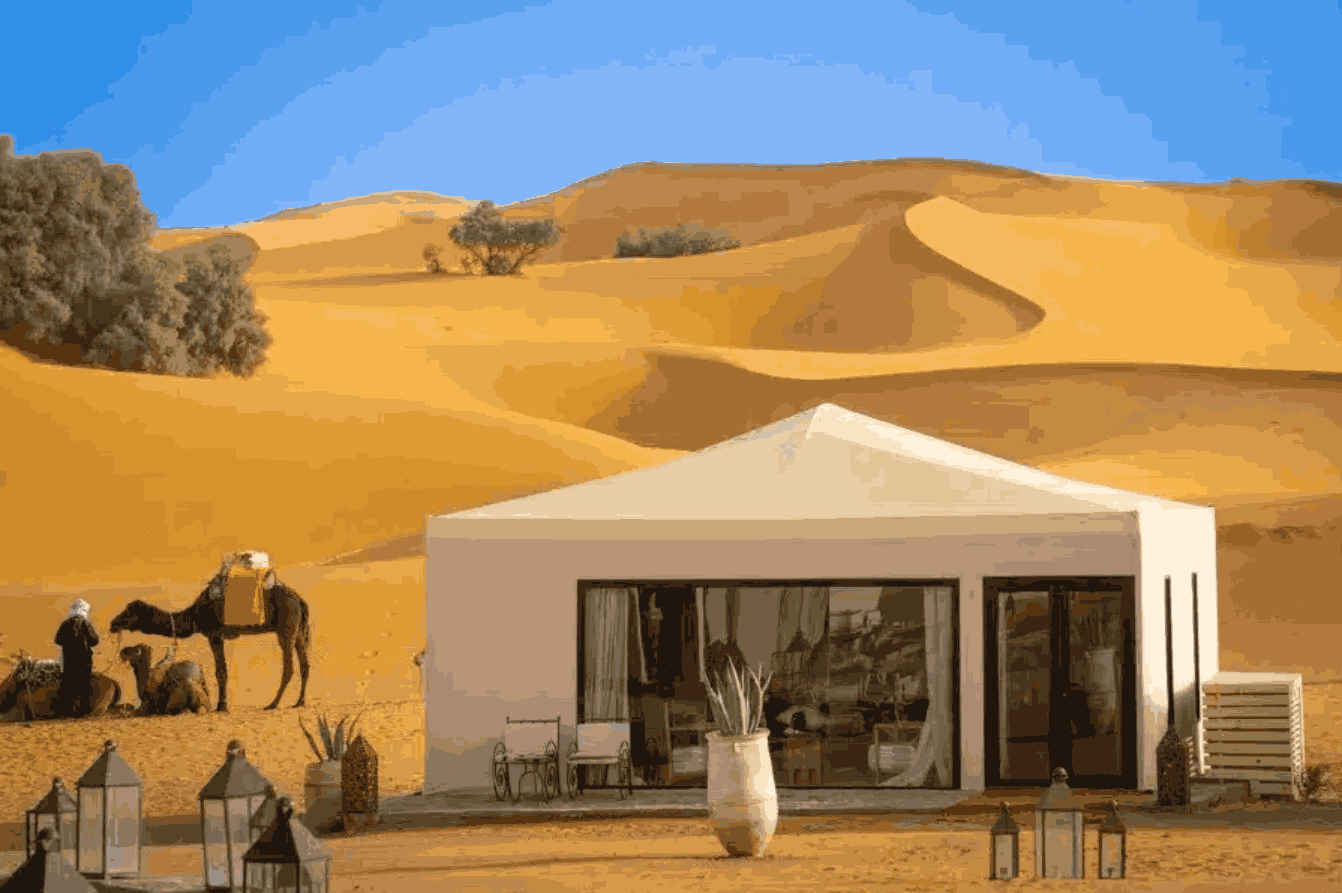
In 2026, the concept of luxury in Morocco has shifted away from generic opulence toward "emotional hospitality" and environmental stewardship. This professional evolution is clearly reflected in recent global rankings. As reported by Forbes, Morocco has solidified its status as a premier high end destination, with fifteen hotels recognized in the Forbes Travel Guide 2026 for their commitment to personalized service and cultural integrity. This rise in quality is not limited to the grand palaces of Marrakech; it has extended into the desert. Authentic Saharan expeditions now blend traditional nomadic knowledge with sophisticated comforts. A camel trek across the dunes of Erg Chebbi or Erg Chigaga is no longer just a photo opportunity; it is a lesson in silence and resilience. High quality tours focus on private, eco friendly camps that utilize solar power and support local nomadic families, ensuring that your presence contributes positively to the preservation of the desert ecosystem.
The nomadic experience is perhaps the most misunderstood element of authentic Morocco tours. To engage with it professionally, travelers should look for itineraries that include "nomadic home stays" or visits to seasonal camps in the Atlas foothills. Here, the hospitality is not a performance but a social cornerstone. Sharing a glass of mint tea, a ritual often called the "Berber Whiskey," is an essential act of friendship and diplomacy. The tea is brewed with fresh mint and substantial sugar, served from a height to create a frothy head. This simple act opens doors to stories of migration, carpet weaving, and the endurance of oral traditions in the face of the digital age. By choosing tours that respect the boundaries and dignity of these communities, travelers gain a rare glimpse into a social structure that predates modern state borders.
Strategic planning for a sustainable and diverse Moroccan itinerary
Mastering a Moroccan trip requires a strategic approach to timing and logistics. With the 2030 FIFA World Cup on the horizon, the country is investing heavily in high speed rail and expanded air connectivity, making it easier than ever to traverse the distance between the Atlantic coast and the Saharan fringe. However, the most authentic experiences often happen off the beaten path. To avoid the "tunneling effect" of visiting only major landmarks, a diverse itinerary should include smaller coastal towns like Essaouira, known for its Gnaoua music heritage, or the desert town of Taroudant, often called "Little Marrakech." These locations offer a slower pace and a more intimate connection with local artisans. Furthermore, scheduling your visit around cultural festivals, such as the Rose Festival in El Kelaa M'gouna or the Imilchil Marriage Festival, provides a window into the deep seated traditions that continue to define the Moroccan social calendar.
Sustainability is the final pillar of a truly professional tour in 2026. The Moroccan government’s focus on diversifying the tourism offer across all regions means that travelers now have the opportunity to support rural economies that were previously overlooked. This involves choosing riads over international hotel chains, dining in "community kitchens" that employ local women, and purchasing handicrafts directly from co-operatives. Authentic travel is an exchange; it is as much about what you leave behind as what you take with you. By engaging with Morocco through an analytical lens that values cultural heritage and social responsibility, you ensure that your journey is not just a vacation, but a contribution to the ongoing narrative of this remarkable kingdom.
Conclusion
The pursuit of authentic Morocco tours is a journey into the heart of a civilization that has mastered the art of hospitality and the beauty of diversity. Whether you are navigating the high altitude passes of the Atlas, sleeping under a canopy of stars in the Sahara, or getting lost in the labyrinthine souks of Fes, the key to a successful trip lies in your willingness to look beyond the surface. In a year where Morocco is shining brighter than ever on the global stage, the most valuable souvenirs are the moments of genuine connection and the stories shared over a communal tagine. Now is the time to plan your 2026 expedition with a focus on depth, quality, and respect. Start by identifying the regions that resonate with your interests and connect with specialists who prioritize the preservation of Moroccan culture. The Kingdom of Light is ready to welcome you, not just as a visitor, but as a witness to its enduring magic. Are you ready to begin your Moroccan odyssey?

 English
 French
 Spanish
 Portuguese
 Deutsch
 Turkish
 Dutch
Dutch
 Italiano
 Russian
 Romaian
 Portuguese (Brazil)
 Greek
Greek