


Speech Therapy at Home for Adults: Recovering Communication After Stroke or Brain Injury
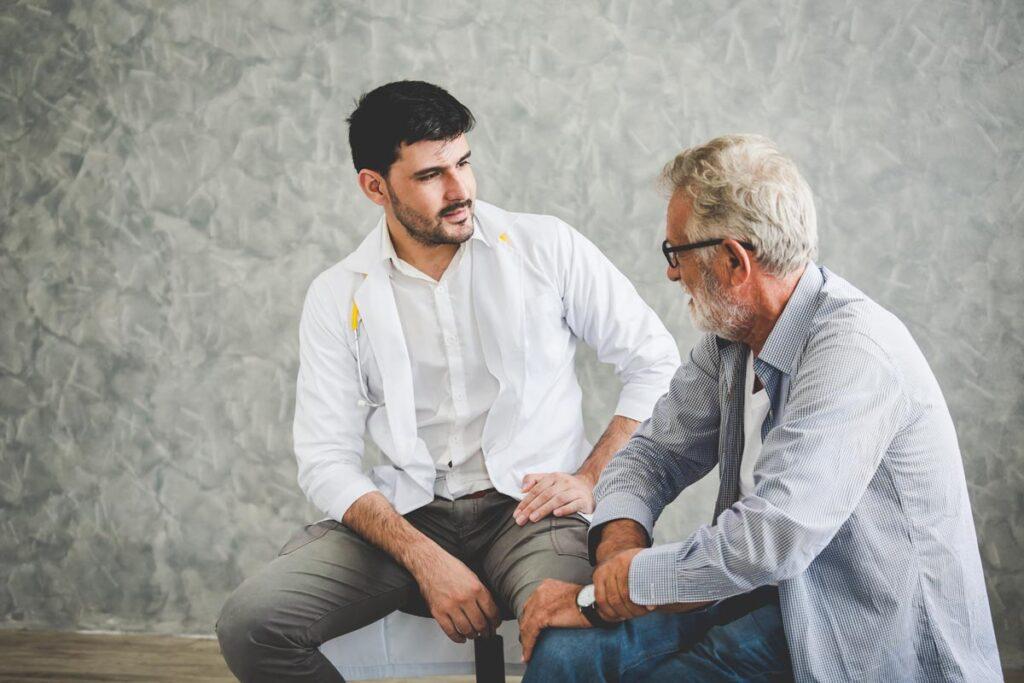
Recovering the ability to communicate after a stroke or brain injury is one of the most difficult challenges adults face. Simple conversations, reading, or even expressing basic needs can suddenly become frustrating tasks. This is where speech therapy at home for adults plays a key role in rebuilding communication skills in a familiar environment. Many families in the United States are now choosing home-based therapy because it offers comfort and consistency. From my experience, recovery tends to move faster when patients feel relaxed and supported at home. This guide explains what to expect and how this process helps restore independence.
The Problem: Communication Loss After Stroke or Brain Injury
Stroke and brain injuries often affect areas of the brain responsible for speech and language. According to the American Stroke Association, about one-third of stroke survivors experience aphasia, a condition that impacts communication abilities. This can include difficulty speaking, understanding language, reading, or writing. For many adults, this sudden loss creates confusion and emotional stress. It also affects their ability to manage daily life without assistance.
Families are often unprepared for how deeply communication loss can impact relationships. Simple interactions become difficult, leading to frustration on both sides. In some cases, patients withdraw from social situations because they feel embarrassed or misunderstood. This isolation can slow down recovery and reduce motivation. Without proper support, communication challenges can become long-term barriers to independence.
Agitate: The Emotional and Practical Impact of Delayed Therapy
When therapy is delayed, recovery becomes more difficult and progress slows down significantly. The brain has a limited window of heightened neuroplasticity after injury, meaning early intervention is critical. Missing this window can reduce the effectiveness of treatment. I have seen patients struggle longer simply because therapy started too late. This delay often leads to increased dependence on caregivers.
The emotional toll is just as serious as the physical impact. Patients may feel frustrated, anxious, or even depressed when they cannot express themselves clearly. According to the National Institute of Neurological Disorders and Stroke, communication disorders can significantly affect mental health and quality of life. Families often search for multiple services, including in home wound care specialist near me when dealing with complex recovery needs. However, communication recovery is sometimes overlooked in the process, which can slow overall progress.
Solution: How Speech Therapy at Home Supports Recovery
Speech therapy at home for adults focuses on rebuilding communication skills through structured and personalized sessions. Therapists assess the patient’s condition and create a plan that targets specific challenges such as speech clarity, comprehension, and memory. Working at home allows therapy to be integrated into daily routines, making practice more natural and consistent. This environment often reduces anxiety and encourages better participation.
Therapists also involve family members in the recovery process, which helps reinforce progress outside of sessions. In some cases, patients receiving other services like in home wound care specialist near me can benefit from coordinated care. This approach ensures that all aspects of recovery are addressed together. Over time, patients regain confidence and improve their ability to communicate in real-life situations.
Step-by-Step: What Happens During Therapy Sessions
The first step in speech therapy at home for adults is a detailed evaluation of communication abilities. The therapist examines speech patterns, language comprehension, and cognitive skills. This assessment helps identify the areas that need the most attention. Families are usually included in this process to provide additional insights. Understanding the patient’s daily challenges is key to creating an effective plan.
Once the plan is developed, therapy sessions begin with targeted exercises and activities. These may include practicing word formation, improving sentence structure, or using memory techniques. Sessions are often interactive and adapted to the patient’s progress. Therapists may also use tools such as flashcards, apps, or conversation practice. Regular monitoring ensures that the approach remains effective and aligned with recovery goals.
Real-World Example: Recovery in Action
A case from New York involved a middle-aged man who experienced a stroke that affected his speech. His family initially focused on physical recovery and searched for in home wound care specialist near me to manage related health issues. Later, they introduced speech therapy at home for adults to address communication challenges. Within months, he showed noticeable improvement in speaking and understanding conversations. This combination of care helped him regain independence faster.
Another example from Texas involved a woman recovering from a traumatic brain injury. She struggled with memory and word recall, which made daily interactions difficult. Through consistent therapy sessions at home, she gradually improved her communication skills. The familiar setting allowed her to practice in real-life situations, such as talking with family members. These examples highlight how targeted therapy can lead to meaningful progress.
Costs and Accessibility in the U.S.
The cost of speech therapy varies depending on location, provider, and level of care needed. On average, sessions can range from $100 to $250 per visit in the United States. Medicare and private insurance may cover therapy if it is medically necessary and prescribed by a doctor. This makes speech therapy at home for adults more accessible for many families. Understanding coverage options can help reduce financial stress.
For patients already receiving services like in home wound care specialist near me, adding speech therapy may be part of a broader care plan. Coordinated services can sometimes reduce overall costs by improving recovery efficiency. From what I have seen, families who plan early and explore coverage options often manage expenses better. It also ensures that patients receive comprehensive care without delays.
Choosing the Right Therapist for Home Care
Finding the right therapist is an important step in the recovery process. Families should look for licensed professionals with experience in treating stroke or brain injury patients. Communication style matters, as the therapist must be patient and able to adapt to the individual’s needs. A good therapist will also provide clear guidance to family members. This helps maintain progress between sessions.
It is also important to choose someone who can work well within a home setting. Therapy should feel natural and fit into the patient’s daily routine. In many cases, combining speech therapy at home for adults with other supportive services creates a more balanced approach. This ensures that all aspects of recovery are addressed. Trust and consistency play a major role in long-term success.
The Future of Home-Based Speech Therapy
Home-based therapy is becoming more common as healthcare shifts toward personalized care. Technology is playing a growing role, with telehealth and digital tools supporting therapy sessions. These advancements make it easier for patients to access care without traveling. They also allow therapists to track progress more effectively. This trend is expected to continue as demand increases.
At the same time, awareness of speech therapy at home for adults is improving across the country. Families are recognizing the importance of early intervention and consistent practice. This shift is helping patients achieve better outcomes and maintain independence. It also reduces the burden on hospitals and rehabilitation centers. The future of recovery is increasingly centered around the home.
Conclusion
Speech therapy at home for adults provides a practical and effective path to recovery after stroke or brain injury. It focuses on restoring communication skills in a familiar and supportive environment. When combined with other services like in home wound care specialist near me, it creates a comprehensive care plan that addresses multiple needs. Families who take action early often see better progress and improved quality of life. This approach helps patients regain confidence and reconnect with the world around them.

 English
 Arabic
 French
 Spanish
 Portuguese
 Deutsch
 Turkish
 Dutch
Dutch
 Italiano
 Russian
 Romaian
 Greek
Greek