


Europe Biosimilar Market Trends, Size Analysis Report, and Outlook 2025
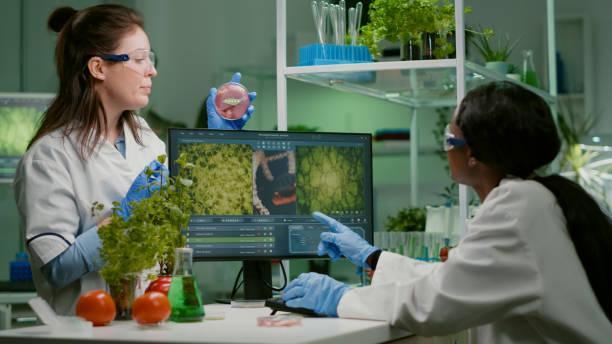
Europe Biosimilar Market Forecast by 2033
Market Size in 2024: USD 13,864 Million
Market Forecast in 2033: USD 59,733.3 Million
Market Growth Rate 2025-2033: 17.1%
The Europe biosimilar market was valued at USD 13,864 Million in 2024 and is projected to reach USD 59,733.3 Million by 2033, growing at a CAGR of 17.1% during 2025-2033. This growth is driven by the rising prevalence of chronic diseases, patent expirations of major biologics, and supportive regulatory frameworks that encourage biosimilar adoption across the region.
Growth Drivers of the European Biosimilar Market
Patent Expirations and Cost Containment
Patent expiry of top-selling biologics is the major factor contributing to the growth of the Europe biosimilar market. Rising healthcare costs across Europe are majorly driving various governments to adopt cost-containment measures. According to the WHO, 20% of households in Europe face catastrophic health expenditure by spending a large proportion of their income as out of pocket expenditure on drugs. This could potentially be reduced by the introduction of affordable biosimilars. The European Medicines Agency approved over 100 biosimilars in Europe based on close to 30 reference medicinal products; Europe has led the world in the regulation of these medicines, because of regulatory efficiency and the need for cheaper treatments.
Rising Prevalence of Chronic Diseases
Chronic diseases like cancer, diabetes and autoimmune diseases cause rising morbidity and drive the demand for biosimilars. Data from WHO show non-communicable diseases cause 80% of the disease burden in EU countries. There were more than 4 million new cases and 1.9 million cancer deaths in Europe in 2020, with the highest rates in Denmark, Ireland and the Netherlands. Because a large portion of therapies are currently biologics, biosimilars could potentially provide a cost-effective entry point for treatment. The increase in the burden of the disease may mean that this opportunity will soon increase.
Expedited Drug Approvals and Regulatory Support
Regulators in Europe focus biosimilar approval on medical needs that are unmet and the approval process is made to make sure biosimilars are safe and effective and are approved within a good timeframe. In April 2024, the EMA recommended toward approval two biosimilars to treat rheumatoid arthritis or juvenile idiopathic arthritis (JIA). In January 2024, the European Commission approved Samsung Bioepis' biosimilar ustekinumab, Pyzchiva quickly, and a favorable reimbursement environment in Germany and France should drive other markets to adopt biosimilars.
Request a sample of the full report here: https://www.imarcgroup.com/europe-biosimilar-market/requestsample
Europe Biosimilar Market Segmentation
Analysis by Molecule
- Infliximab
- Insulin Glargine
- Epoetin Alfa
- Etanercept
- Filgrastim
- Somatropin
- Rituximab
- Follitropin Alfa
- Adalimumab
- Others
Analysis by Indication:
- Auto-Immune Diseases
- Blood Disorder
- Diabetes
- Oncology
- Growth Deficiency
- Female Infertility
Analysis by Type of Manufacturing
- In-house
- Contract
Analysis by Country
- Italy
- Germany
- United Kingdom
- France
- Spain
- Rest of Europe
Top Biosimilar Companies in Europe:
- Novartis
- Pfizer
- Teva
- Celltrion
- Merck Sharp & Dohme
- Samsung Bioepis
- Eli Lilly
- Accord Healthcare Ltd.
- Amgen
- Boehringer Ingelheim
- Hexal Ag
- Apotex
- Stada Arzneimittel Ag
- Ratiopharm
- Mylan
Europe Biosimilar Market News
- May 2025: Sandoz launched Pyzchiva, the first ustekinumab biosimilar in Europe, available as an autoinjector for conditions like psoriasis and Crohn’s disease.
- April 2025: Dong-A ST expanded its Stelara biosimilar, Imuldosa, to the UK and Ireland after its debut in Germany.
- February 2025: Celltrion received EMA approval to begin Phase 3 trials for CT-P55, a biosimilar to Cosentyx, targeting plaque psoriasis.
- February 2025: Biocon launched liraglutide biosimilars in the UK for type 2 diabetes and obesity treatment.
- January 2025: Teva partnered with Klinge Biopharma and Formycon to commercialize FYB203, a biosimilar to Eylea, across major European markets.
Key highlights of the Report:
- Market Performance (2019-2024)
- Market Outlook (2025-2033)
- COVID-19 Impact on the Market
- Porter’s Five Forces Analysis
- Strategic Recommendations
- Historical, Current and Future Market Trends
- Market Drivers and Success Factors
- SWOT Analysis
- Structure of the Market
- Value Chain Analysis
- Comprehensive Mapping of the Competitive Landscape
Note: If you need specific information that is not currently within the scope of the report, we can provide it to you as part of the customization.
About Us:
IMARC Group is a global management consulting firm that helps the world’s most ambitious changemakers to create a lasting impact. The company provide a comprehensive suite of market entry and expansion services. IMARC offerings include thorough market assessment, feasibility studies, company incorporation assistance, factory setup support, regulatory approvals and licensing navigation, branding, marketing and sales strategies, competitive landscape and benchmarking analyses, pricing and cost research, and procurement research.

 English
 Arabic
 French
 Spanish
 Portuguese
 Deutsch
 Turkish
 Italiano
 Russian
 Romaian
 Portuguese (Brazil)
 Greek
Greek