


Understanding Wasp Stings | Causes, Symptoms, and Risks
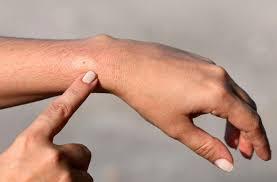
A Wasp Sting can be painful and alarming, especially if you don’t know what to do right away. They happen when a wasp feels threatened or disturbed. Most stings are not dangerous, but sometimes they can cause serious reactions. In this guide, you will learn about causes, symptoms, and risks of wasp stings. You will also find simple ways to treat them and stay safe.
What Is a Wasp Sting?
A Wasp Sting happens when a wasp uses its stinger to inject venom into your skin. Unlike bees, wasps can sting multiple times. They usually sting to defend themselves, especially if they feel their nest is threatened.
How Wasps Sting Humans
Wasps use their stinger as a weapon. When they sting, venom enters the skin, causing pain, redness, and swelling. You may feel sharp pain immediately followed by itching or burning.
Common Places for Wasp Stings
Most stings occur on the arms, legs, or hands. This is because people often wave their hands near a wasp or accidentally step on them. You should be cautious when gardening, eating outdoors, or walking barefoot.
Causes of Wasp Stings
Understanding why wasps sting can help you avoid them.
Why Wasps Sting People
Wasps sting for protection. They may also sting if you disturb their food or a nest. Loud noises or sudden movements can provoke them too. One must be aware of wasps’ surroundings, especially during spring and summer when they are most active.
Situations That Increase the Risk
You are more likely to get stung if you:
-
Walk near a wasp nest
-
Wear brightly colored clothes
-
Eat sweet foods or drinks outside
-
Swat at a wasp
Being cautious in these situations can reduce your chance of getting stung.
Recognizing Wasp Sting Symptoms
It is important to identify how your body reacts to a sting. Most reactions are mild, but some may require medical attention.
Mild Reactions You Can See
You may notice:
-
Redness or swelling at the sting site
-
Pain that lasts for a few hours
-
Itching or a small bump
You can usually treat these symptoms at home with simple remedies.
Severe Symptoms That Require Immediate Attention
If you experience any of the following, you must seek medical help:
-
Difficulty breathing or swallowing
-
Dizziness or fainting
-
Swelling of the face, lips, or throat
-
Rapid heartbeat
These can be signs of a serious allergic reaction known as anaphylaxis.
Risks Associated with Wasp Stings
While most stings are minor, they can cause health risks in certain situations.
Allergic Reactions and Anaphylaxis
Some people are highly allergic to wasp venom. Even one sting can trigger anaphylaxis, which is life-threatening. If you know you have severe allergies, always carry an epinephrine auto-injector and wear a medical alert bracelet.
Infections From Wasp Stings
Scratching the sting site can lead to infection. Signs of infection include pus, increased redness, warmth, or fever. You should clean the area properly and monitor it to prevent complications.
First Aid and Home Care for Wasp Stings
Knowing what to do immediately after a sting can reduce pain and swelling.
Immediate Steps to Reduce Pain and Swelling
-
Wash the sting area with soap and water.
-
Apply a cold pack to reduce swelling.
-
Take an over-the-counter pain reliever if needed.
-
Use antihistamine cream or tablets to relieve itching.
Using Home Remedies Safely
Some home remedies can help, such as applying:
-
Baking soda paste
-
Aloe vera gel
-
Honey
These can soothe irritation, but make sure you are not allergic to any of these items before use.
Health Care Tips for Wasp Sting Prevention
Following some simple Health Care Tips can prevent stings before they happen.
How to Avoid Wasp Stings Outdoors
-
Keep food and drinks covered when outside
-
Avoid bright-colored clothing and floral patterns
-
Stay calm if a wasp is near; don’t swat at it
-
Move slowly and quietly away from nests
Protective Clothing and Environment Awareness
Wearing long sleeves and pants can reduce exposed skin. Inspect your yard for nests and avoid areas with many wasps. One should always be aware of surroundings, especially in spring and summer.
When to See a Doctor
Not every sting needs a doctor, but it is important to know when to get help.
Signs That Need Medical Attention
-
Severe allergic reaction symptoms
-
Signs of infection at the sting site
-
Multiple stings in sensitive areas like the face
Treatments Doctors Usually Recommend
Doctors may prescribe:
-
Antihistamines for allergic reactions
-
Corticosteroid creams for swelling
-
Epinephrine for severe reactions
They can also advise on future prevention and allergy testing.
Conclusion
A Wasp Sting can be painful and sometimes dangerous. Most stings are mild and can be treated at home. You should always watch for severe symptoms and seek medical help if needed. By understanding why stings happen, recognizing symptoms, and following Health Care Tips, you can reduce risks and stay safe outdoors. Remember, being aware of your surroundings and acting quickly can make a big difference when dealing with wasps.

 English
 Arabic
 French
 Spanish
 Portuguese
 Deutsch
 Turkish
 Italiano
 Russian
 Romaian
 Portuguese (Brazil)
 Greek
Greek