


How to Improve Precision in Die Cutting Processes
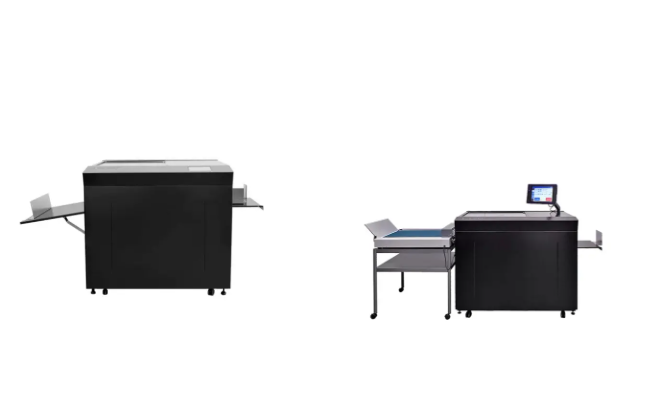
Precision is one of the most critical factors in die cutting. Whether you are producing packaging, labels, textiles, or industrial components, even small inaccuracies can lead to material waste, poor product quality, and increased production costs. Improving precision in die cutting processes not only enhances output quality but also boosts efficiency and customer satisfaction.
Choose the Right Die Cutting Equipment
The foundation of precision starts with selecting the right machine. Different materials and production needs require different types of die cutting systems.
High-quality flatbed or rotary systems are commonly used in industrial environments because they offer consistent pressure and accurate cutting alignment. Digital die cutting machines are also becoming popular for their ability to execute complex designs with high accuracy.
For businesses aiming to improve precision, investing in reliable industrial-grade equipment is essential. Companies like Insource Corporation provide advanced machinery designed to enhance cutting accuracy and production consistency.
Use High-Quality Dies and Blades
Even the most advanced machine will not perform well if the die or blade is worn out or poorly manufactured. High-quality steel dies and sharp blades ensure clean cuts and reduce material distortion.
Regular inspection of cutting tools is important. Dull or damaged blades should be replaced immediately to maintain accuracy and avoid production errors.
Proper Machine Calibration
Machine calibration plays a major role in achieving precision. If the pressure, alignment, or cutting depth is not set correctly, it can lead to uneven cuts or misaligned patterns.
Operators should regularly calibrate machines according to manufacturer guidelines. This includes checking pressure settings, ensuring proper registration alignment, and adjusting cutting depth based on material thickness.
Control Material Quality
Material consistency directly impacts cutting accuracy. Variations in thickness, density, or texture can affect how the die interacts with the surface.
Using high-quality, uniform materials helps maintain precision. It is also important to store materials properly to avoid warping, moisture absorption, or deformation before production.
Maintain Equipment Regularly
Routine maintenance is essential for consistent performance. Dust buildup, worn-out parts, or misaligned components can reduce cutting accuracy over time.
Key maintenance practices include:
- Cleaning cutting surfaces regularly
- Lubricating moving parts
- Checking alignment and pressure systems
- Replacing worn components promptly
Preventive maintenance helps avoid unexpected breakdowns and ensures long-term precision.
Optimize Design Files
For digital die cutting systems, design quality is just as important as machine performance. Poorly prepared files can lead to inaccurate cuts, even if the machine is functioning perfectly.
Ensure that design files are properly scaled, cleanly layered, and optimized for the machine’s software. Using vector-based formats can significantly improve cutting accuracy.
Train Machine Operators
Skilled operators play a key role in maintaining precision. Proper training ensures that users understand machine settings, material behavior, and troubleshooting techniques.
Well-trained staff can quickly identify issues, make adjustments, and maintain consistent output quality.
Monitor and Test Output Regularly
Quality control should be part of every die cutting process. Regular testing helps identify small deviations before they become major problems.
Operators should inspect samples frequently and compare them against design specifications. This helps maintain consistent precision across large production batches.
Upgrade Technology When Needed
Older machines may not provide the level of precision required for modern production demands. Upgrading to newer, automated systems can significantly improve accuracy, speed, and efficiency.
Modern die cutting systems often include digital controls, sensors, and automation features that reduce human error and improve repeatability.
Final Thoughts
Improving precision in die cutting is a combination of the right equipment, skilled operation, proper maintenance, and high-quality materials. Businesses that focus on these areas can achieve better product quality, reduce waste, and improve overall efficiency.
Looking for a reliable die cutter to improve your production efficiency? Contact us today for expert solutions and pricing.

 English
 French
 Spanish
 Portuguese
 Deutsch
 Turkish
 Dutch
Dutch
 Italiano
 Russian
 Romaian
 Portuguese (Brazil)
 Greek
Greek