


How Environmental Site Assessment Supports Land Deals
Real estate transactions involving land carry significant environmental risks. Buyers and lenders need certainty about what lies beneath the surface. Environmental site assessments provide that certainty before deals close. They protect all parties from unexpected liability and financial loss. This article explains how assessments directly support successful land transactions.
Why Environmental Risk Matters in Land Transactions
Environmental contamination on a property creates serious financial liability. Contaminated sites require expensive cleanup that can cost millions of dollars. Property owners are legally responsible for contamination regardless of when it occurred. Buyers who purchase contaminated land unknowingly inherit these liabilities. Environmental site assessments prevent this scenario from happening.
Lenders require environmental clearance before financing commercial land purchases. Banks and mortgage companies refuse to lend on contaminated properties. Environmental risk affects property value and loan security directly. A contaminated site may be worth far less than its purchase price. Lenders protect their collateral value by requiring environmental due diligence.
The Phase I Assessment: Identifying Historical Risk
Phase I assessments are the first line of environmental due diligence. They involve reviewing historical records, aerial photographs, and site visits. Phase I identifies recognized environmental conditions on the property. Potential contamination sources are documented without physical investigation. This assessment determines whether further investigation is warranted.
Phase I results guide negotiation and further due diligence decisions. Properties with concerning Phase I findings require deeper investigation. Buyers use Phase I results to negotiate price reductions or seller remediation. Properties with clean Phase I assessments move through transactions more smoothly. Phase I is standard practice in virtually every commercial land transaction today.
When a Phase II Assessment Becomes Necessary
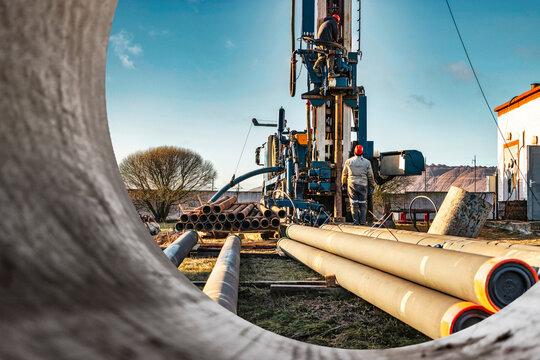
Phase II assessments are triggered by concerning Phase I findings. They involve physical sampling of soil, groundwater, and building materials. A phase 2 environmental site assessment collects actual environmental data. This data confirms whether suspected contamination actually exists. Phase II converts suspicion into verifiable fact that protects transaction parties.
Phase II is also required for properties with known historical industrial use. Former gas stations, dry cleaners, and manufacturing facilities are high-risk properties. Agricultural properties with extensive pesticide use also warrant Phase II investigation. Properties adjacent to known contaminated sites require careful evaluation. Phase II provides the evidence needed to proceed or withdraw from transactions.
How Phase II Findings Affect Transaction Outcomes
Phase II results can significantly influence how land deals proceed. Clean Phase II results provide confidence that allows transactions to close. Contamination discoveries trigger important negotiations between buyers and sellers. Sellers may agree to remediate the site before closing the transaction. Alternatively, price adjustments reflect the cost of future remediation work.
Contamination findings sometimes cause transactions to fall through entirely. Severe contamination may make a property economically unviable for development. In these cases, Phase II has protected the buyer from a serious mistake. The cost of an assessment is trivial compared to the liability avoided. Environmental due diligence is always a sound investment in land transactions.
Protecting Buyer Interests Through Environmental Due Diligence
Buyers have the most to gain from thorough environmental assessment. They are the party acquiring potentially contaminated land and its liabilities. Assessments give buyers the information needed to negotiate effectively. Understanding contamination extent enables accurate remediation cost estimation. Buyers can then determine whether a transaction makes financial sense.
Environmental assessments also establish the baseline condition of a property. This baseline becomes legally important if contamination is discovered later. A buyer with a clean Phase II assessment at purchase is protected. They can demonstrate that contamination occurred after their acquisition. This legal protection is valuable for decades after the transaction closes.
Seller Benefits of Environmental Assessment
Sellers also benefit from conducting environmental assessments proactively. Proactive assessments identify contamination issues before they derail negotiations. Sellers can remediate problems in advance and market properties as clean. Clean environmental status attracts more buyers and commands better prices. Proactive sellers avoid the stigma of contamination discovered during due diligence.
Sellers who disclose known contamination are also legally protected. Disclosure fulfills legal obligations and demonstrates good faith. Buyers who proceed with full knowledge cannot later claim misrepresentation. Environmental transparency streamlines transactions and reduces post-closing disputes. Proactive environmental management serves the seller's long-term financial interests.
Lender Requirements and Environmental Risk Management
Financial institutions have developed detailed environmental risk policies. These policies govern when environmental assessments are required for lending. Most commercial real estate loans require at minimum a Phase I assessment. Properties with Phase I concerns must complete Phase II before loan approval. Lenders use assessment results to determine acceptable financing terms.
Environmental contamination can trigger loan default provisions in some cases. Lenders may freeze funds or demand early repayment if contamination is discovered. Properties with unresolved contamination issues have limited refinancing options. Environmental assessments performed at acquisition protect lenders throughout the loan term. Good environmental practices support stronger, more stable real estate portfolios.
Insurance Considerations in Contaminated Land Transactions
Environmental insurance products have developed alongside assessment practices. Pollution liability insurance protects against unexpected contamination discoveries. Cost cap insurance covers remediation cost overruns on known contamination. Transactional environmental insurance enables deals that might otherwise fail. These products require rigorous Phase II assessment before coverage is offered.
Insurance companies rely on Phase II data to underwrite environmental policies. Incomplete or poorly conducted assessments result in inadequate coverage. High-quality assessments by accredited professionals produce insurable results. Environmental insurance makes contaminated property transactions viable for all parties. The assessment and insurance industries work together to facilitate land market activity.
Regulatory Compliance and Environmental Assessment
Environmental regulators increasingly require site assessments for development approvals. Municipal zoning changes often trigger environmental review requirements. Brownfield redevelopment programs require assessments before development grants are issued. Heritage contamination must be identified and addressed before new construction. Regulatory compliance requirements make environmental assessment essentially mandatory in many situations.
Meeting regulatory requirements through thorough assessment protects developers from enforcement actions. Non-compliance with environmental requirements can delay projects for years. Regulatory penalties and project shutdowns are far more costly than assessment investment. Experienced environmental consultants navigate regulatory requirements efficiently. Their expertise keeps projects compliant and moving forward on schedule.
The Long-Term Value of Environmental Due Diligence
Environmental due diligence creates lasting value beyond individual transactions. It builds a culture of responsibility in land development and management. Properties with clean environmental histories command premium values in the market. Communities benefit from land transactions that protect environmental quality. The broader real estate market functions more efficiently with transparent environmental information.
Investing in environmental assessments reflects sound business judgment. The cost is modest relative to the financial risks being managed. Buyers, sellers, lenders, and regulators all benefit from thorough due diligence. Environmental assessment is not a bureaucratic formality but a genuine value creator. Every successful land deal rests on a foundation of reliable environmental information.

 English
 Arabic
 French
 Spanish
 Portuguese
 Deutsch
 Turkish
 Dutch
Dutch
 Italiano
 Russian
 Romaian
 Portuguese (Brazil)