


Ultimate Guide to Smart Lock Installation: Choose, Install & Secure Your Home
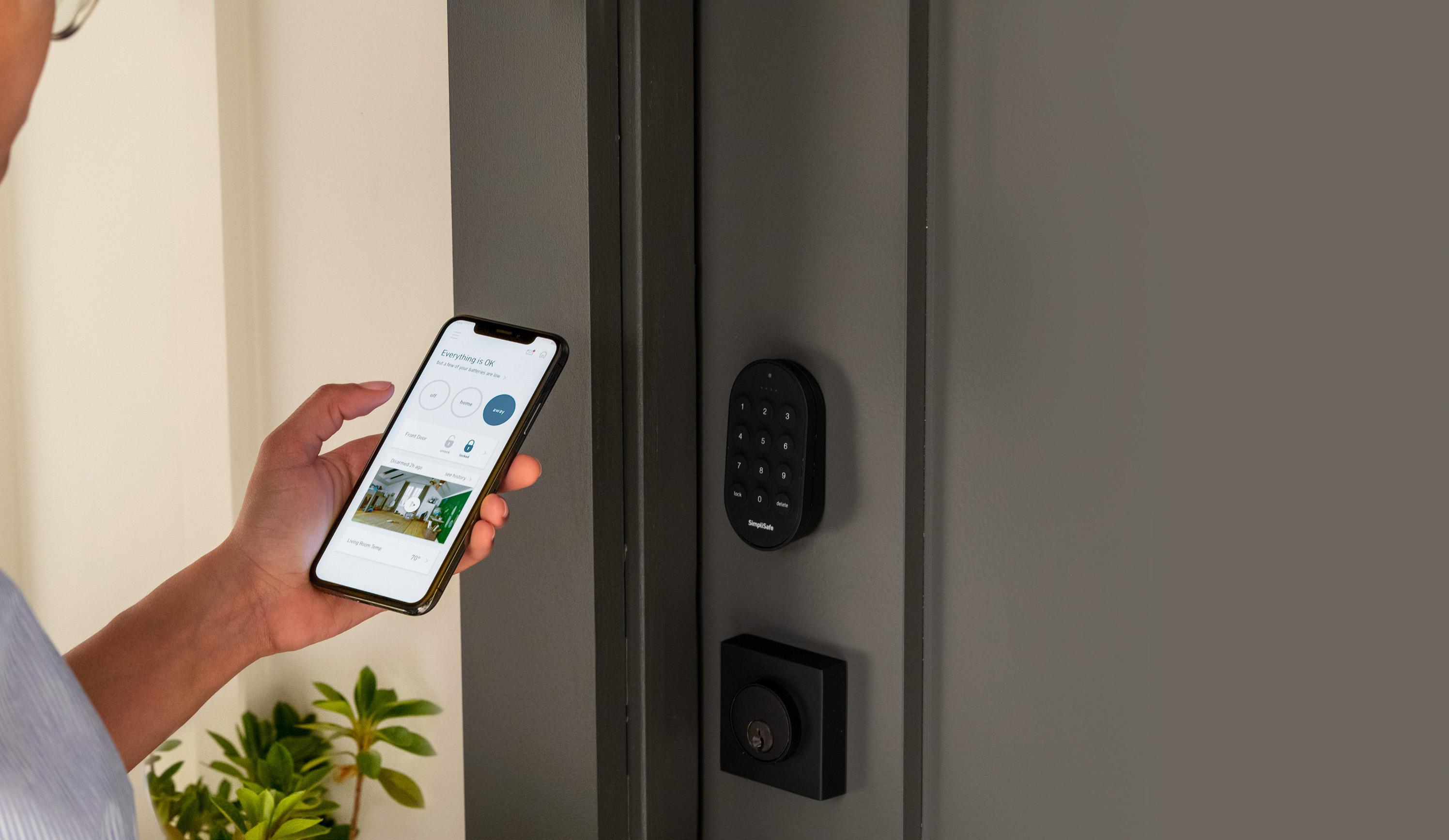
Smart locks are no longer a novelty — they’re a widely adopted upgrade for homeowners, landlords, and small businesses who want stronger access control, convenience, and smart-home integration. This guide walks you through how to choose the right hardware, when to hire a pro, what a correct installation looks like, security best practices, costs, maintenance, and common mistakes to avoid. Read on to make a confident, SEO-informed decision and avoid costly errors.
Why upgrade to a smart lock?
Upgrading to a smart lock turns a mechanical deadbolt into a connected access point that offers real benefits:
- Convenience: Lock and unlock doors remotely, schedule auto-locks, or use voice assistants.
- Access control: Create temporary or time-limited codes for guests, cleaners, or contractors without copying keys.
- Audit trails: See logs of who entered and when — invaluable for rentals and small businesses.
- Integration: Connect locks to cameras, alarms, and home automation systems for coordinated security.
- Fallback options: Many smart deadbolts still allow mechanical key backups to guard against electronic failure.
If you want a professional to install and secure your equipment, consider hiring a trusted digital door lock locksmith.
Types of smart locks — pick the right style for your door
Understanding types helps you match features to needs:
- Smart deadbolts: Replace standard deadbolts; offer robust physical security plus electronic features. Ideal for front doors.
- Retrofit smart locks: Attach to the interior side of your existing deadbolt so the exterior hardware remains unchanged — great for rentals and historic properties.
- Keypad or touchpad locks: Provide PIN-based entry without needing a paired phone; commonly used for multi-user access.
- Lever-style smart locks: Used for interior doors or commercial entrances; combine easy handling with electronic access controls.
- Multi-point smart locks: For doors with multi-point locking systems (common in some modern and European doors); require specialist installation.
For professional installation or complex door types, a reputable smart lock setup service can handle compatibility checks and network configuration.
When you need a professional installer
Call a professional when any of the following apply:
- Your door is metal, unusually thick, or uses a multi-point lock.
- You want integration with a home alarm, video doorbell, or building access system.
- You prefer a warranty on installation labor or need code-based access for rentals.
- You’re uncomfortable with tools, alignment, or network security configuration.
A good installer will assess door thickness, backset, frame strength, and decide whether a deadbolt replacement or a retrofit kit fits best.
What to expect from a quality installation
A professional follows a reliable sequence:
- Inspection: Verify door specs — thickness, backset (2¾" or 2⅜"), and frame condition.
- Hardware selection: Choose a model rated for exterior use and check compatibility with your smart-home hub (if any).
- Mechanical install: Replace latch and deadbolt, fit strike plates, and reinforce the frame as needed.
- Electronic setup: Insert batteries, pair with the mobile app, update firmware, and configure users and codes.
- Security hardening: Separate IoT devices on a guest VLAN when possible, enable strong Wi-Fi security, and set up 2FA for accounts.
- Client walkthrough: Demonstration of app controls, admin functions, and backups (physical key or emergency power options).
If your priority is a full deadbolt upgrade, request professional smart deadbolt installation to ensure proper fit and reinforcement.
Step-by-step: how a correct smart deadbolt installation goes
Knowing the steps helps you verify the work:
- Measure and inspect: Check door thickness (1⅜" to 1¾"), backset, and alignment with frame.
- Remove old hardware: Carefully take out the existing deadbolt and clean the bore holes.
- Test fit: Align interior and exterior modules before final fastening.
- Install the latch and strike plate: Use long screws into the frame to add strength.
- Mount electronics: Attach the interior module, insert batteries, and secure wiring if required.
- Pair and update: Use the manufacturer app for pairing and push firmware updates.
- Configure codes and users: Create admin accounts and at least one backup mechanical key.
- Final test: Try local locking/unlocking, remote access, auto-lock, and emergency key operation.
Costs and factors that affect price
Prices vary widely depending on hardware and labor:
- Lock hardware: $100–$500+. Basic keyless models are cheaper; premium models with multiple protocols (Matter, Z-Wave, Zigbee) cost more.
- Labor: $75–$500 depending on complexity. Simple retrofits are cheaper; multi-point or metal-door installations cost more.
- Extras: Reinforcement kits, hub devices, and subscriptions for cloud services add to the total.
- Ongoing fees: Some brands charge for cloud access or advanced features; confirm subscription terms before buying.
Get multiple quotes and confirm what each includes (travel, firmware setup, and training).
Security hardening — minimize risk
Smart locks are only as secure as the surrounding systems. Follow these best practices:
- Use WPA3 or WPA2 with a strong unique password for Wi-Fi.
- Put IoT devices on a separated guest network or VLAN.
- Enable two-factor authentication for user accounts and the lock’s companion app.
- Keep firmware and app software up to date.
- Reinforce strike plates and frames with long screws and reinforcement plates.
- Limit number of administrators and rotate temporary codes frequently.
Common mistakes to avoid
Avoid these frequent errors:
- Poor alignment between bolt and strike plate — causes failure and wear.
- Weak batteries — use recommended types and replace proactively.
- Network exposure — don’t leave admin interfaces open; use strong passwords.
- Skipping mechanical backup — always keep a functioning physical key or emergency power option.
- Wrong part selection — measure door thickness and backset before buying.
DIY vs Hiring a Pro — quick decision checklist
DIY if:
- Your door is standard and the lock is a direct replacement.
- You’re comfortable troubleshooting app pairing and basic tools.
- You want to save on labor and time isn’t a concern.
Hire a pro if:
- Your door is metal or nonstandard, or has a multi-point locking system.
- You want integrated security with cameras, alarms, or building access.
- You prefer professional warranty, documentation, and a seamless setup.
Maintenance & troubleshooting
Keep your smart lock reliable with regular care:
- Replace batteries before they run out — many apps notify you.
- Install firmware updates promptly.
- Lubricate mechanical parts with graphite or manufacturer-recommended lubricant (avoid oil-based products).
- Reconfigure temporary codes periodically, especially for rentals.
- If pairing fails, restart your phone, check Bluetooth/Wi-Fi permissions, and try re-pairing.
FAQs
Are smart locks safe from hacking?
No device is 100% immune, but reputable manufacturers patch vulnerabilities and following security best practices hugely reduces risk.
Will smart locks work during power outages?
Most smart deadbolts are battery-powered and continue to function. Keep a mechanical key or manufacturer-specified emergency power option.
Can I use smart locks for rental properties?
Yes. Time-limited codes and remote access make smart locks excellent for rentals and short-term stays.
Choosing the best smart lock for your needs
Match product features to lifestyle:
- Rentals: Time-based codes, remote management, and activity logs.
- Families: Easy guest codes, auto-lock schedules, and voice-assistant compatibility.
- High security: ANSI/BHMA Grade 1 models, reinforced frames, and MFA for app access.
- Smart homes: Compatibility with Matter, Z-Wave, Zigbee, or your chosen hub (HomeKit, SmartThings, Alexa, Google).
Final checklist before booking installation
- Measure door thickness and backset precisely.
- Decide on connectivity (Bluetooth only vs. Wi-Fi/hub).
- Confirm mechanical key backup preference.
- Read manufacturer and installer reviews, focusing on security practices.
- Get at least two installation quotes and compare what’s included.
- Ask about warranties, firmware update policies, and support response times.
Conclusion
Smart locks offer enormous convenience and control when chosen and installed correctly. Whether you opt for a DIY retrofit or a full professional deadbolt upgrade, prioritize compatibility, professional setup, and security hardening. If you’re unsure or your door is nonstandard, hiring a proven smart lock setup service will save time and reduce risks.
AUTHOR BIO:
Arman Khalid — SEO content strategist & smart-home security writer. Arman has 8+ years of experience writing technical guides and guest posts for high-authority tech and home improvement sites. He helps homeowners and small businesses choose, install, and maintain smart-home security solutions. Available for consulting on product selection and SEO content strategies.

 English
 Arabic
 French
 Spanish
 Portuguese
 Deutsch
 Turkish
 Dutch
Dutch
 Italiano
 Russian
 Portuguese (Brazil)
 Greek
Greek