


Best Knee Stretches to Relieve Pain and Improve Mobility
Quick Summary
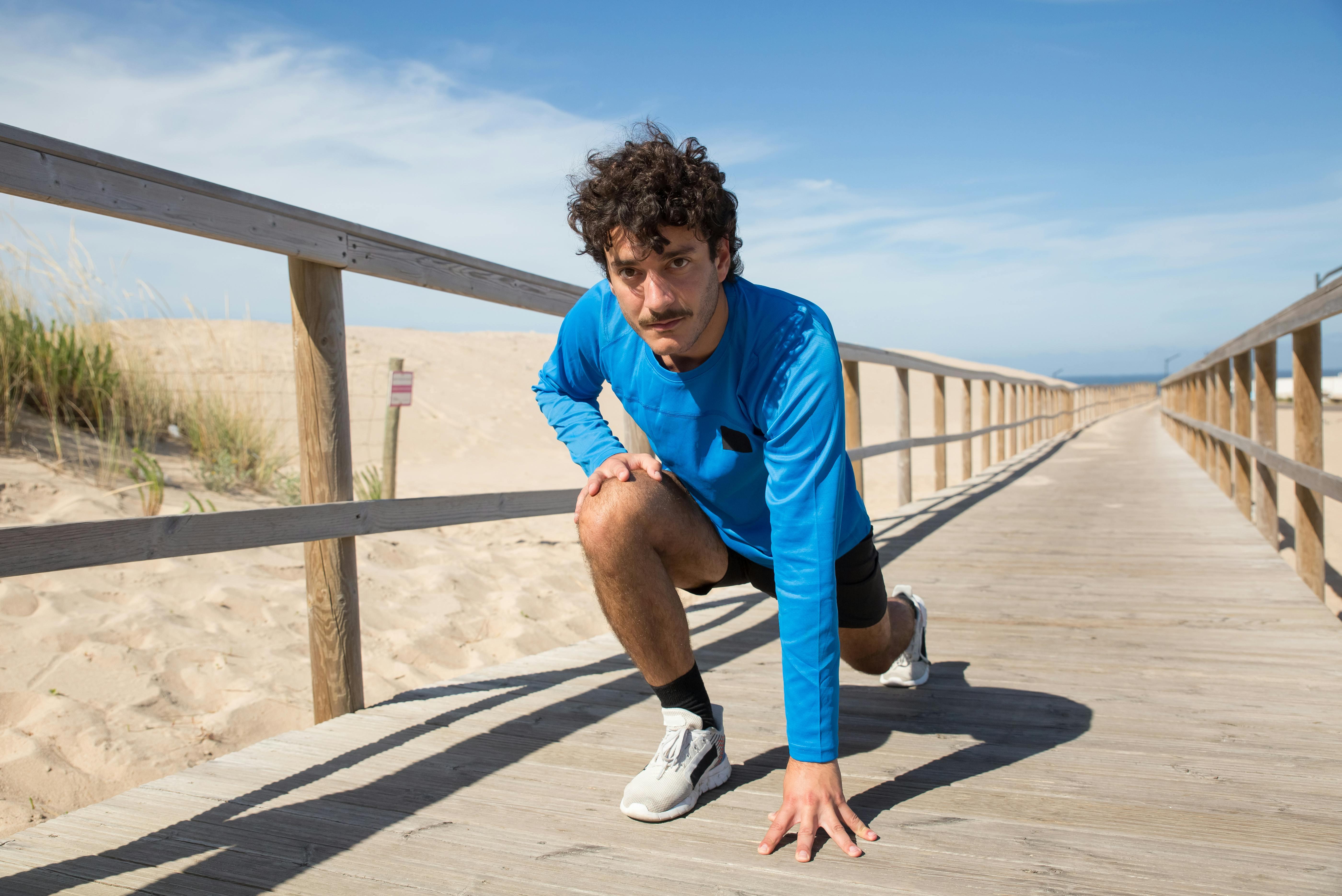
Knee stretches help reduce stiffness, increase flexibility, and improve blood flow to surrounding muscles like the quadriceps, hamstrings, and calves. Regular stretching supports joint mobility, prevents injuries, and relieves pain caused by tight or overworked muscles. Incorporate dynamic stretches before activity and static stretches after workouts for balanced knee health.
Understanding Knee Stretching and Why It Matters
One of the most complex joints in the human body is the knee. It connects the thigh bone (femur), shin bone (tibia), and kneecap (patella), all stabilized by ligaments and muscles.
Over time, muscle tightness, poor posture, or sedentary habits can limit knee movement, increase stress on tendons, and lead to chronic discomfort.
Regular knee stretches help:
-
Increase joint flexibility and range of motion.
-
Relieve tension in surrounding muscles (quads, hamstrings, calves).
-
Improve circulation and tissue repair.
-
Reduce risk of strain and injury during activity.
-
Enhance performance in walking, running, or workouts.
Expert Tip: Combine knee stretching with light strength exercises for long-term joint health.
Top Knee Stretches for Pain Relief and Flexibility
1. Standing Quadriceps Stretch
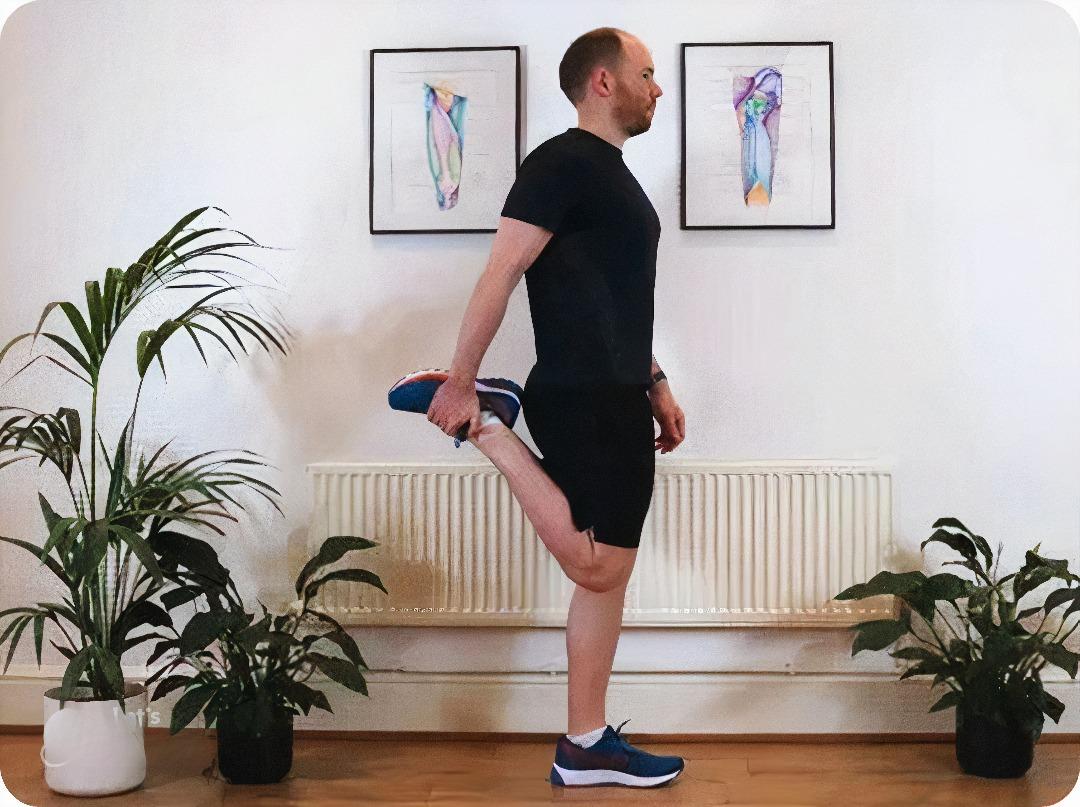
Target: Quadriceps (front of thigh)
How to do it:
-
Stand tall, holding onto a wall or chair for balance.
-
Bend your knee, bringing your heel toward your glutes, and gently hold your ankle behind you.
-
Pull gently toward your glutes until you feel a stretch.
-
Hold for 20–30 seconds per side.
Why it works:
Tight quads pull on your kneecap and strain the joint. This stretch restores balance and relieves front knee pain.
2. Hamstring Stretch (Seated or Standing)
Target: Hamstrings (back of thighs)
How to do it:
-
Sit with one leg extended and the other bent.
-
Reach toward your toes with a straight back.
-
Hold this stretch for 20–30 seconds, then switch and repeat on the opposite leg.
Why it works:
Flexible hamstrings help your knees bend easily and reduce pulling on the lower back and hips.
3. Calf Stretch Against Wall
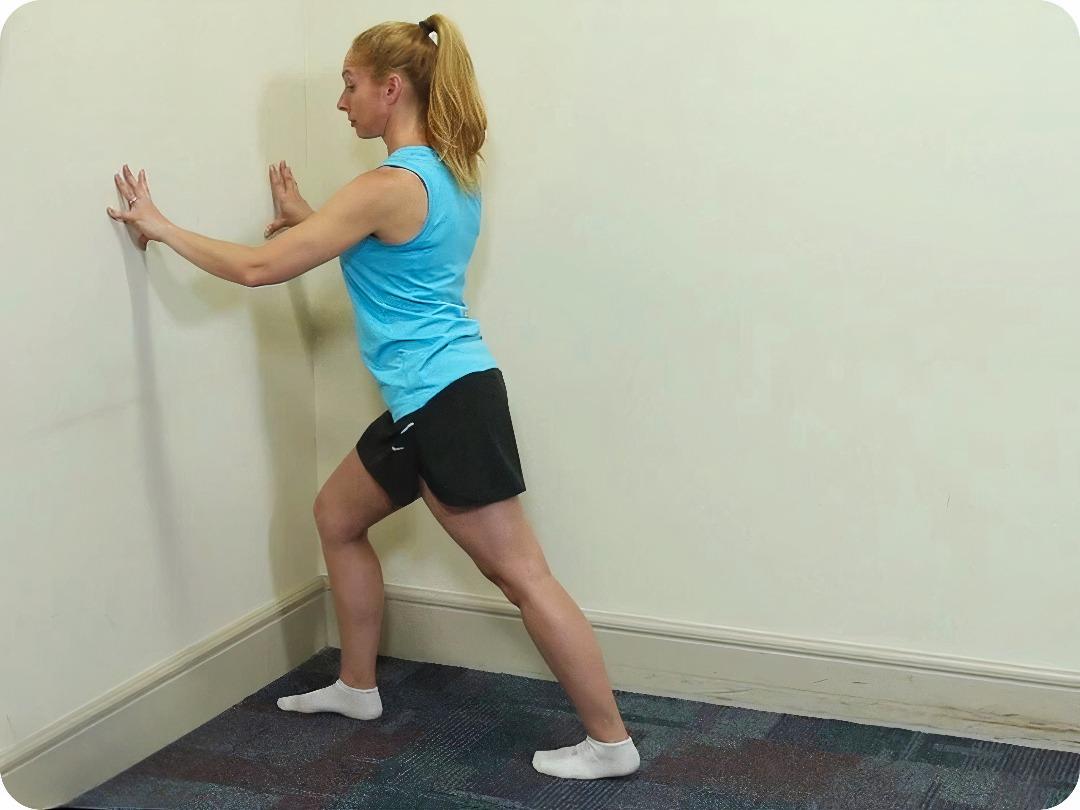
Target: Calf muscles (gastrocnemius, soleus)
How to do it:
-
Place both hands on a wall.
-
Step one, step back and press down your heels.
-
Keep the back leg straight and the front knee bent slightly.
-
Hold for 30 seconds per side.
Why it works:
Tight calves can limit ankle movement, increasing knee pressure during walking or running.
4. IT Band Stretch (Standing Side Lean)
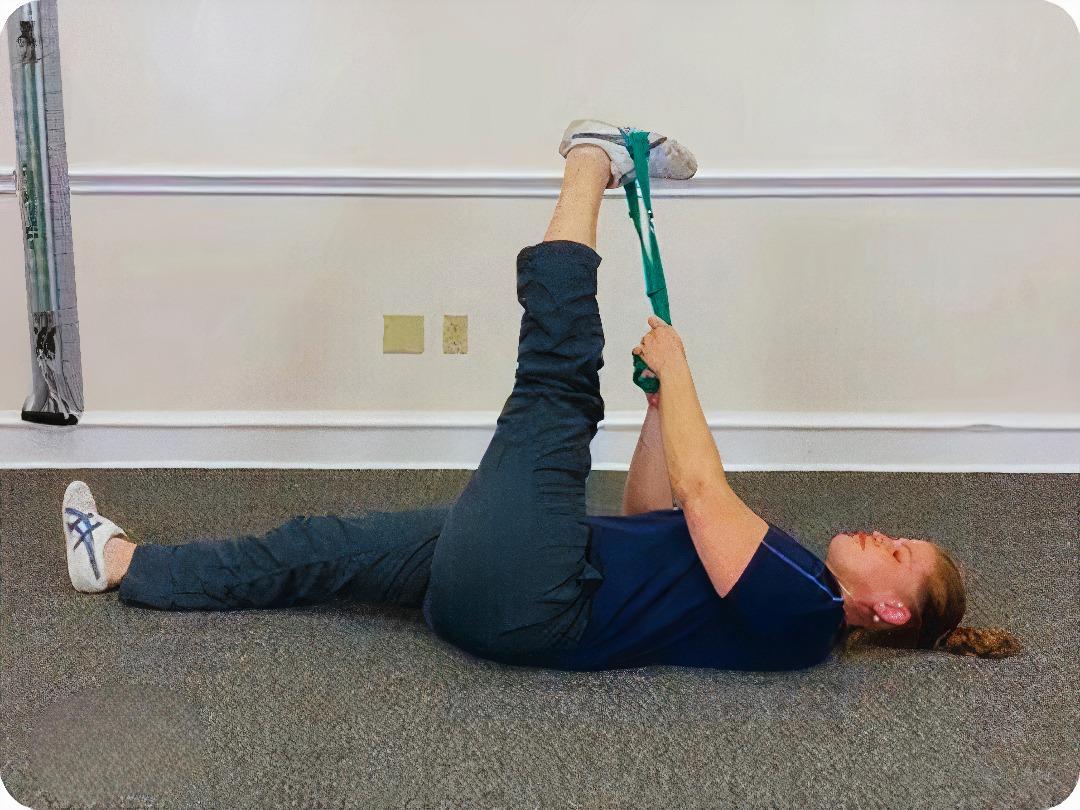
Target: Iliotibial band and outer thigh
How to do it:
-
Cross your right leg behind your left.
-
Lean sideways to your left until you feel a stretch along your outer thigh.
-
Hold for 30 seconds and switch sides.
Why it works:
The IT band often becomes tight in runners, pulling on the outer knee and causing friction. This stretch releases that tension.
5. Kneeling Hip Flexor Stretch
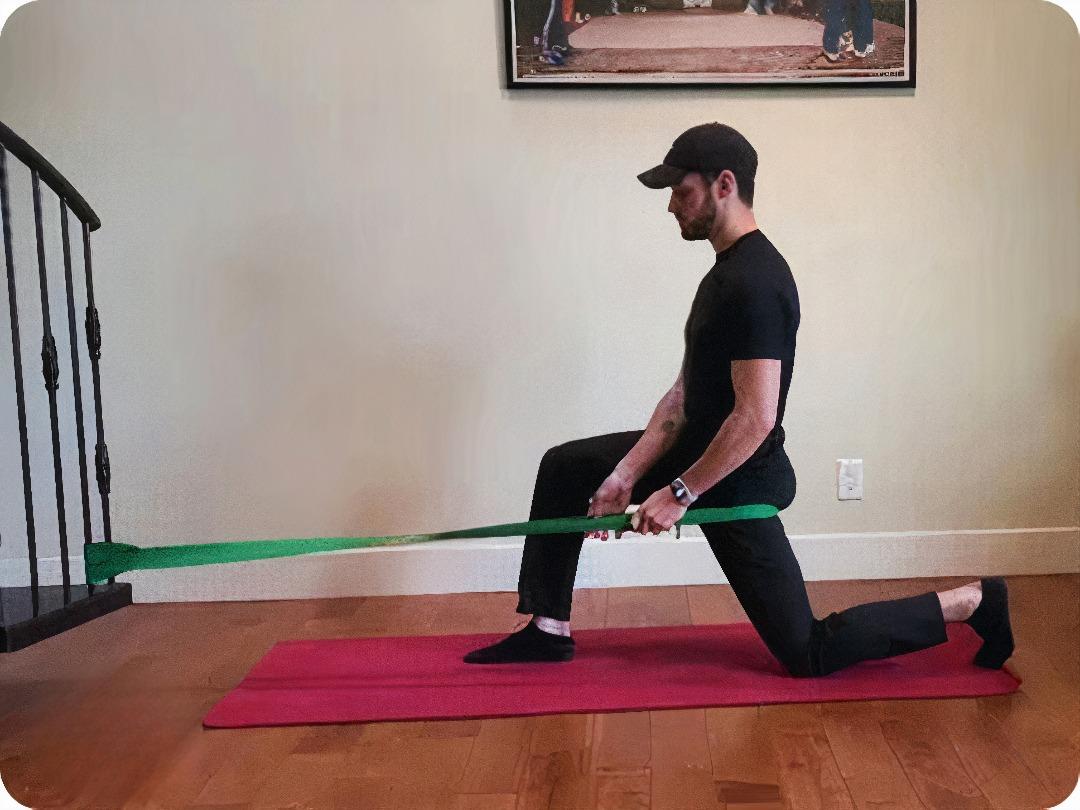
Target: Hip flexors and front thighs
How to do it:
-
Get into a lunge position with one knee on the floor and the other foot forward.
-
Gently push your hips forward.
-
Keep your chest tall and core engaged.
-
Hold for 20–30 seconds per side.
Why it works:
Tight hip flexors tilt your pelvis forward, misaligning your knees. This stretch helps correct that posture.
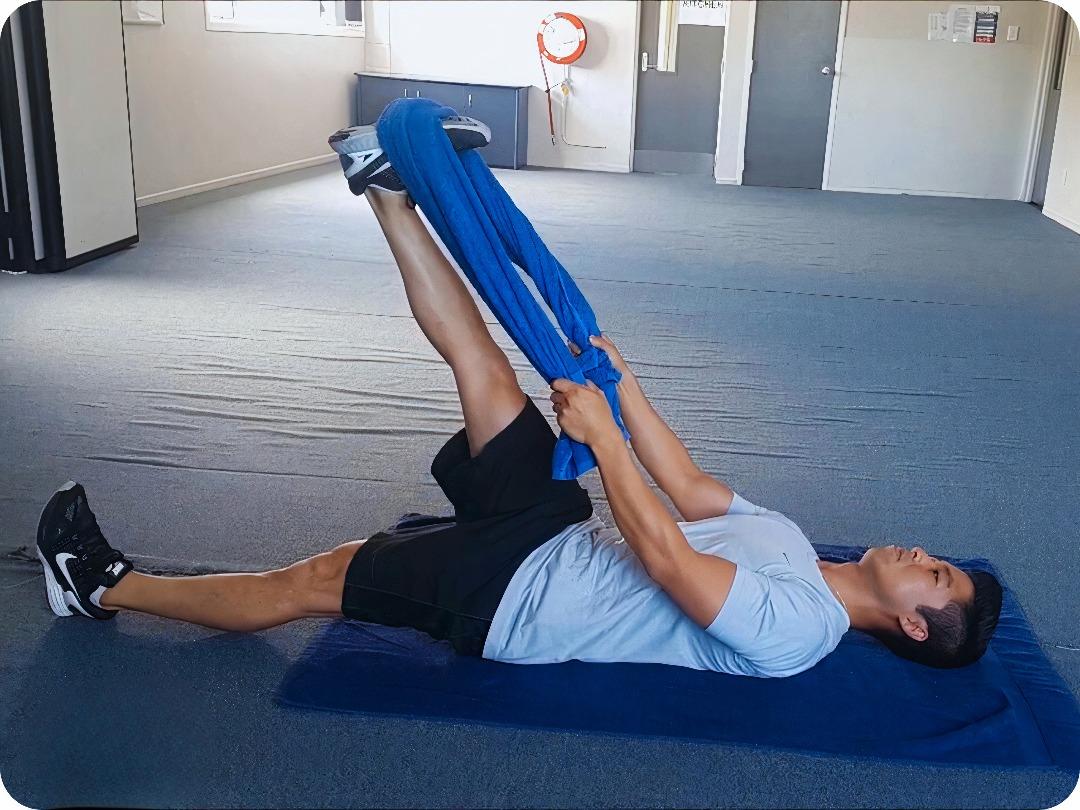
6. Supine Hamstring Stretch (with Strap)
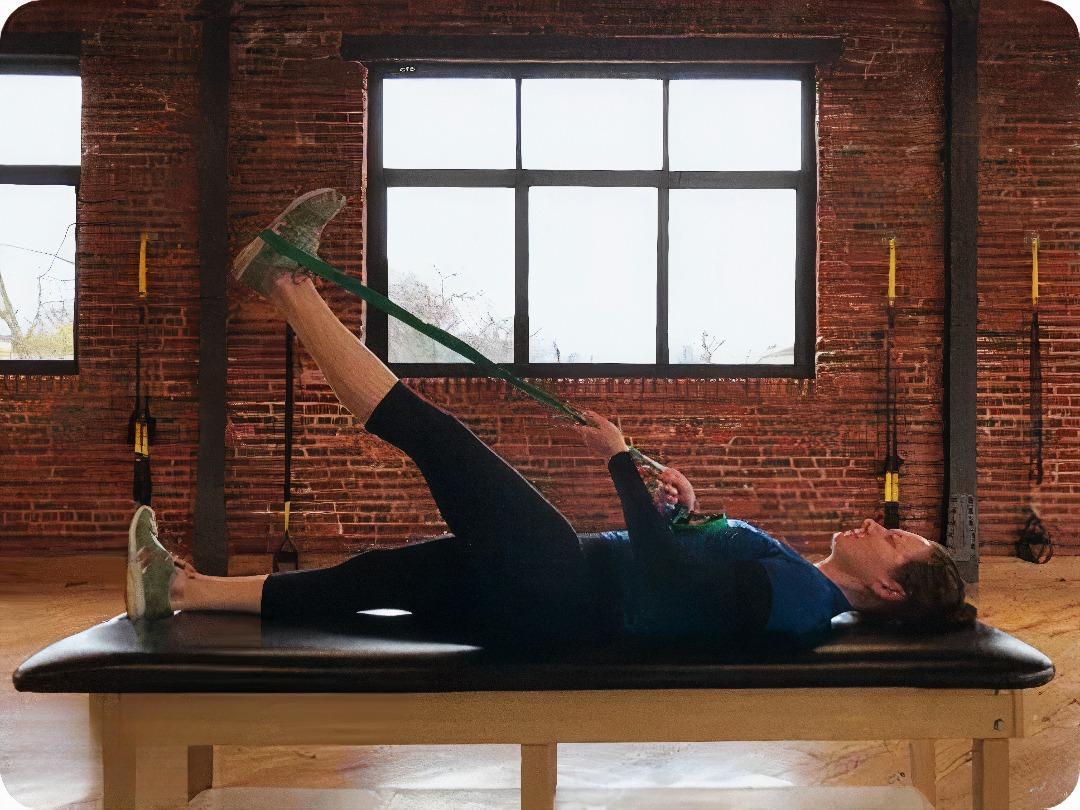
Target: Hamstrings and glutes
How to do it:
-
Lie on your back and loop a strap or towel around one foot.
-
Keep your leg straight and gently pull it toward you.
-
Hold for 30 seconds and switch legs.
Why it works:
A gentle way to improve flexibility while reducing knee stress, especially after long periods of sitting.
7. Butterfly Stretch
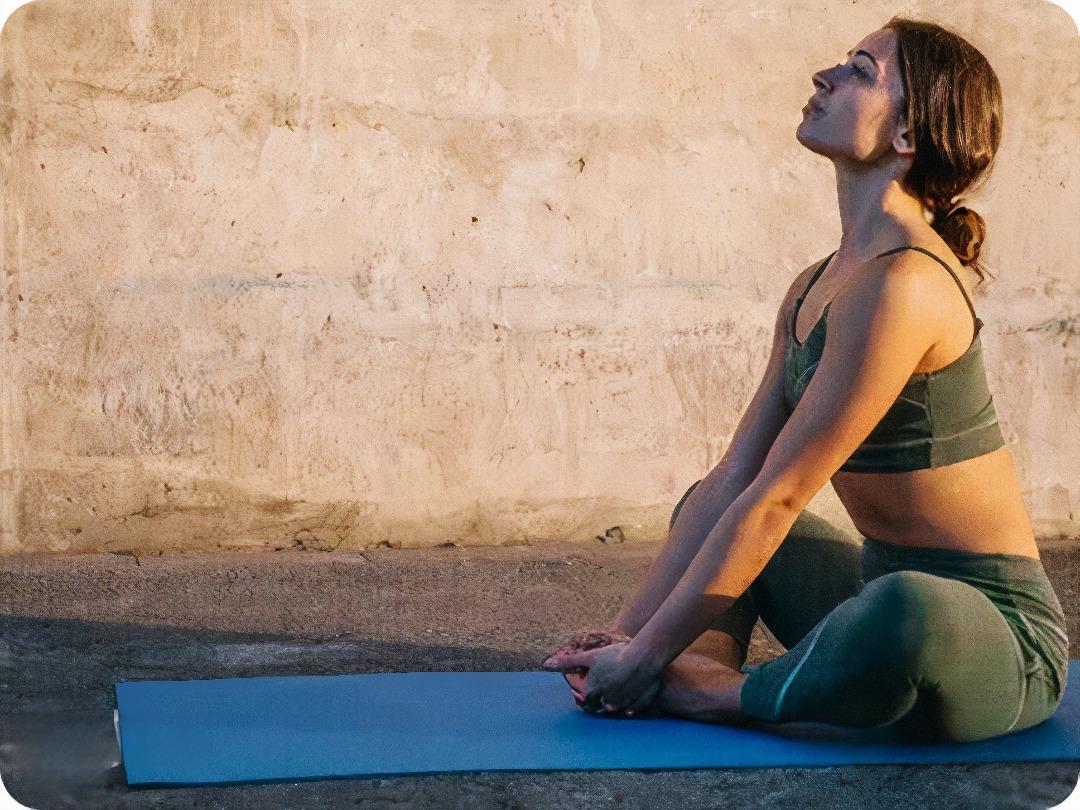
Target: Inner thighs and groin
How to do it:
-
Sit on the floor, soles of your feet touching.
-
Grasp your feet and slowly lower your knees toward the floor to deepen the stretch.
-
Hold for 20–30 seconds.
Why it works:
Loosens adductor muscles that stabilize the knees during side-to-side movement.
Dynamic Knee Stretches for Warm-Up
Before workouts, try dynamic stretches to activate muscles:
-
Leg Swings: Forward-backward and side-to-side (10–15 reps each leg).
-
Walking Lunges with Twist: Opens hips and knees dynamically.
-
High Knees or Marching: Boosts circulation before workouts.
How Often Should You Stretch Your Knees?
Experts recommend performing knee stretches 4–5 times per week, especially after activity.
Consistency improves flexibility and helps prevent injuries related to tight or imbalanced muscles.
-
Hold each stretch for at least 20–30 seconds and repeat 2–3 times for best results.
When to Avoid or Modify Knee Stretches
Avoid deep stretches if you have:
-
Acute knee injuries, swelling, or severe arthritis.
-
Recent knee surgery without medical clearance.
-
Sharp pain during movement.
Tip: Consult a physical therapist or orthopedic specialist before starting new routines if you have chronic pain or joint conditions.
Related Topics and Entities
-
Knee anatomy: patella, ligaments (ACL, MCL, PCL), meniscus
-
Common conditions: knee osteoarthritis, runner’s knee, patellar tendonitis
-
Supporting muscles: quadriceps, hamstrings, gluteus medius, calves
-
Therapeutic approaches: physical therapy, mobility training, myofascial release
-
Lifestyle factors: hydration, anti-inflammatory diet, ergonomics
FAQs About Knee Stretches
1. Can knee stretches help arthritis pain?
Yes. Gentle stretching improves joint lubrication and reduces stiffness in people with mild to moderate arthritis.
2. How long before I see results?
Most people notice improved flexibility and reduced pain within 2–4 weeks of consistent stretching.
3. Should I stretch before or after exercise?
Do dynamic stretches before and static stretches after workouts for maximum benefit.
4. What if my knees crack during stretching?
Mild cracking without pain is usually harmless. Persistent noise with pain may indicate cartilage wear. Consult a doctor.
5. Can I do knee stretches every day?
Yes. Light daily stretching is safe and beneficial as long as there’s no pain or swelling.
Expert Insight
According to Dr. Michelle Ward, Orthopedic Specialist:
“Knee stretches are an essential component of long-term joint care. They not only relieve pain but also improve joint mechanics, especially when combined with strength training.”
Summary
Knee stretches are a simple yet powerful way to maintain joint flexibility, reduce pain, and prevent injuries.
By targeting key muscles, quads, hamstrings, calves, and hips, you create balanced support around the knee joint.
Consistency, proper form, and mindful movement are the keys to lasting knee health.
-
Start small, stretch regularly, and move pain-free with every step.

 English
 French
 Spanish
 Portuguese
 Deutsch
 Turkish
 Dutch
Dutch
 Italiano
 Russian
 Romaian
 Portuguese (Brazil)
 Greek
Greek