


What Diagnostic Technologies Do Expert Trichologists Use Today?
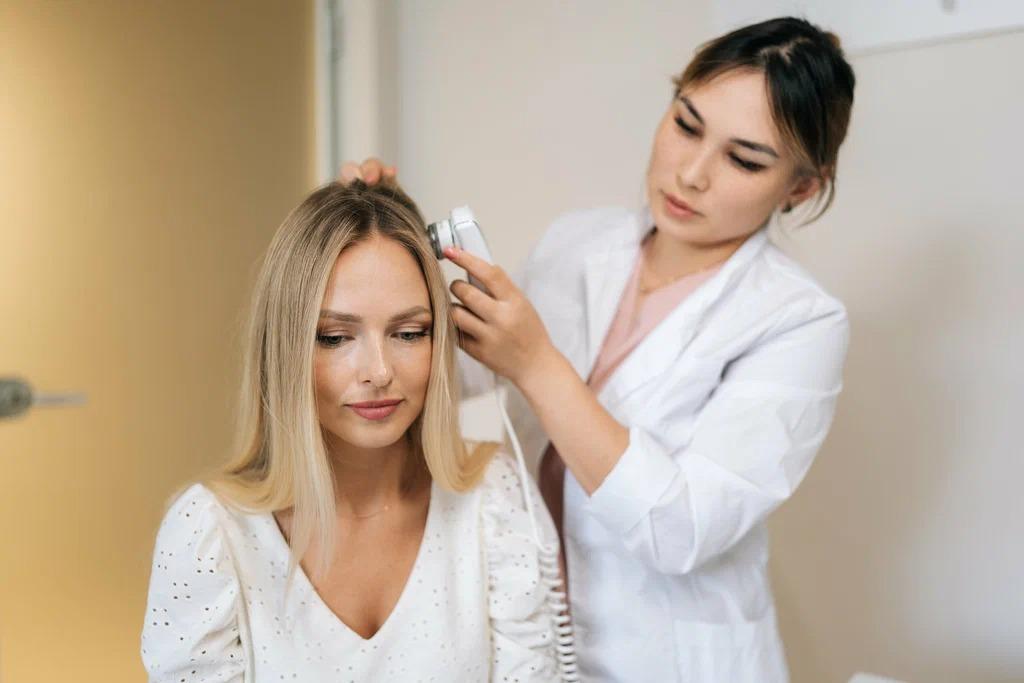
Understanding the root cause of hair and scalp concerns has evolved far beyond simple visual inspections. Modern trichology now integrates advanced diagnostic tools that deliver precise insights into hair health, scalp conditions, and underlying biological factors. Today, Best Trichologists in Dubai rely on a combination of cutting-edge technologies and clinical expertise to provide tailored solutions that address each individual’s needs. This shift toward data-driven analysis has significantly improved the accuracy of diagnoses and the effectiveness of treatment strategies.
The Role of Digital Scalp Analysis
One of the most widely used technologies in trichology today is digital scalp analysis. This method uses high-resolution imaging devices to magnify the scalp and hair follicles up to several hundred times. The detailed visuals allow trichologists to examine follicle density, scalp condition, oil levels, and signs of inflammation.
Digital scalp scanners provide real-time images that help identify issues such as dandruff, folliculitis, or early-stage hair thinning. This non-invasive approach ensures that even subtle abnormalities are detected early, making it easier to implement preventative care. It also helps track progress over time, allowing patients to visually see improvements or changes in their scalp health.
Trichoscopy: A Closer Look at Hair Disorders
Trichoscopy has become a cornerstone in modern hair diagnostics. This technique involves dermatoscopic examination of the hair and scalp using specialized handheld devices. Unlike basic magnification, trichoscopy reveals patterns and structures beneath the surface, offering clues about various hair disorders.
Through trichoscopy, experts can differentiate between conditions like androgenetic alopecia, alopecia areata, and telogen effluvium. It also helps in identifying hair shaft abnormalities and scalp pigmentation changes. The ability to distinguish between similar-looking conditions ensures that treatment plans are accurate and targeted rather than generic.
Hair Pull and Hair Count Tests
While advanced imaging tools are essential, traditional diagnostic methods still play a role when enhanced with modern interpretation. The hair pull test is a simple yet effective way to assess active hair shedding. By gently pulling small sections of hair, trichologists can determine whether excessive shedding is occurring.
Similarly, hair count tests measure the number of hairs lost over a specific period. When combined with digital tracking tools, these tests provide quantifiable data that supports diagnosis and monitors treatment outcomes. These methods are particularly useful for identifying conditions related to stress or hormonal imbalance.
Spectral Analysis and Hair Mineral Testing
Another sophisticated approach involves analyzing the chemical composition of hair strands. Hair mineral analysis evaluates the presence of essential nutrients and potential toxins within the hair. This diagnostic method offers insights into nutritional deficiencies, environmental exposure, and metabolic imbalances.
Spectral analysis tools break down the hair structure at a molecular level, helping experts understand how internal health factors influence hair growth. This information is crucial for developing holistic treatment plans that address both external and internal contributors to hair concerns.
AI-Powered Diagnostic Systems
Artificial intelligence is rapidly transforming trichology. AI-powered diagnostic systems use algorithms to analyze scalp images and identify patterns associated with specific conditions. These systems can compare patient data with extensive databases, improving diagnostic accuracy and reducing human error.
AI tools also assist in predicting treatment outcomes by analyzing trends and patient responses. This predictive capability allows trichologists to customize treatment strategies with greater confidence. The integration of AI not only enhances efficiency but also ensures consistency in diagnosis across different cases.
Microscopic Hair Shaft Examination
Microscopic analysis of the hair shaft provides valuable insights into structural integrity and damage levels. Using advanced microscopes, trichologists can examine the cuticle, cortex, and medulla of individual hair strands.
This level of detail helps identify issues such as breakage, split ends, or chemical damage caused by styling or environmental factors. It also aids in diagnosing rare hair shaft disorders that may not be visible through standard imaging techniques. By understanding the structural condition of hair, experts can recommend targeted care routines that restore strength and resilience.
Scalp Biopsy in Complex Cases
In more complex or unclear cases, a scalp biopsy may be recommended. This procedure involves taking a small sample of scalp tissue for laboratory analysis. While it is less commonly used, it provides definitive information about inflammatory conditions, scarring alopecia, or autoimmune disorders.
The biopsy results offer a deeper understanding of cellular activity within the scalp, enabling precise diagnosis when other methods are inconclusive. This ensures that even the most challenging cases receive accurate evaluation and appropriate management.
Integration of Data for Personalized Care
Modern trichology is not just about using individual technologies but integrating multiple diagnostic tools to form a comprehensive picture. By combining digital imaging, trichoscopy, mineral analysis, and AI insights, trichologists can develop highly personalized treatment plans.
This multi-dimensional approach ensures that every factor—genetic, environmental, nutritional, and lifestyle—is considered. It moves away from one-size-fits-all solutions and focuses on precision care tailored to the individual’s unique condition.
The Future of Hair and Scalp Diagnostics
The field of trichology continues to evolve with advancements in technology. Emerging innovations such as genetic testing and wearable scalp sensors are expected to further enhance diagnostic capabilities. These tools will allow for even earlier detection of hair disorders and more proactive management strategies.
As technology becomes more sophisticated, the role of expert trichologists will become increasingly centered on interpreting complex data and translating it into effective treatment plans. This blend of science and expertise ensures that patients receive the highest standard of care.
In conclusion, the diagnostic landscape in trichology has transformed significantly, offering precise, data-driven insights into hair and scalp health. By leveraging advanced tools and integrating multiple diagnostic approaches, Best Trichologists are able to deliver accurate diagnoses and personalized solutions that address the root cause of hair concerns, ultimately improving outcomes and patient confidence.

 English
 Arabic
 French
 Spanish
 Portuguese
 Turkish
 Dutch
Dutch
 Italiano
 Russian
 Romaian
 Portuguese (Brazil)
 Greek
Greek