


The Difference Between Being Rich and Being Wealthy — What Robert Kiyosaki Really Means
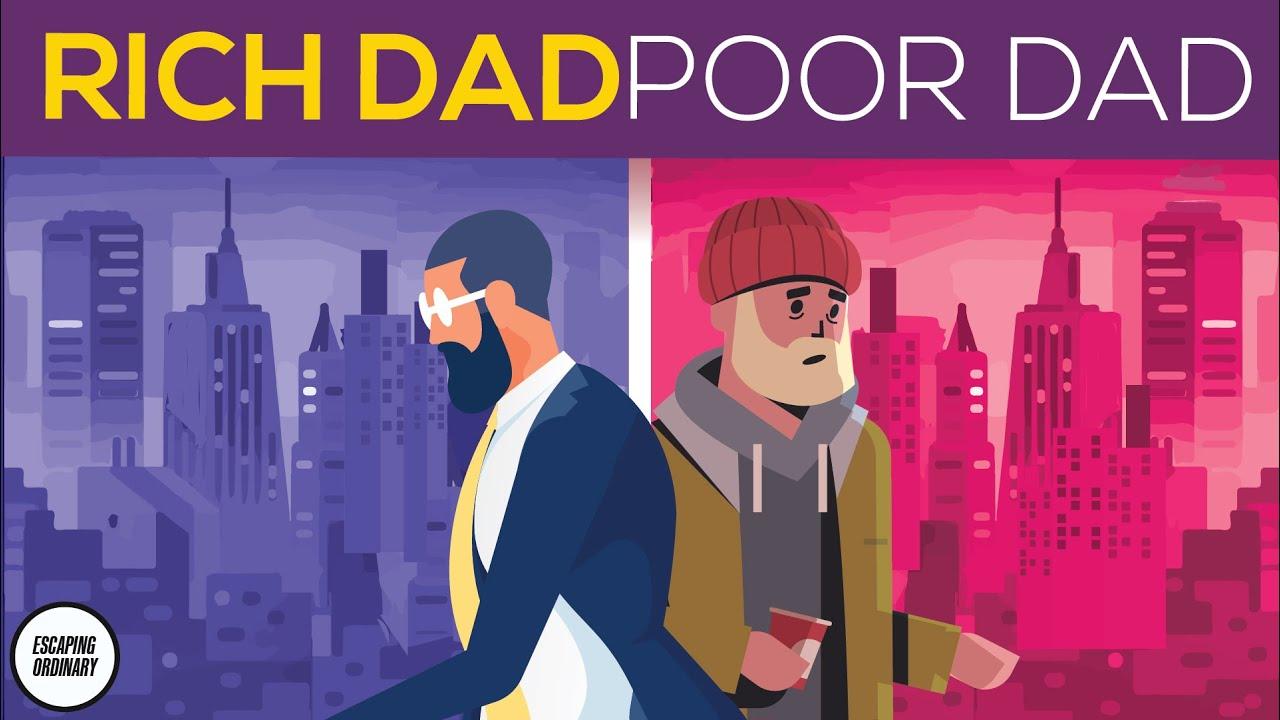
When I first read Robert Kiyosaki’s Rich Dad Poor Dad, I thought it was just another book about money. But after diving deeper, I realized it’s not just about how to make money, it’s about how to think about money. One of the most eye-opening lessons for me was understanding the real difference between being rich and being wealthy. These two words might sound similar, but as Kiyosaki explains, they represent two completely different mindsets and lifestyles.
What Does It Mean to Be “Rich”?
Being rich often means having a high income. You might be earning a great salary, living in a nice house, driving a new car, and going on vacations every year. On the outside, it looks like success. But Kiyosaki warns us that this kind of “rich” can be temporary.
Most people who are rich depend on their job for money. If that income stops due to a layoff, business loss, or health issue, everything can collapse. I realized this when I compared it to my own surroundings: many professionals I know earn well but have no long-term financial security. They spend everything they make.
As Kiyosaki says, “It’s not how much money you make, but how much money you keep, how hard it works for you, and how many generations you keep it for.”
What Does It Mean to Be “Wealthy”?
Wealthy people, on the other hand, focus on assets, not income. Assets are things that put money in your pocket even when you’re not working. This could be rental properties, investments, or a business that runs without you being there every day.
Kiyosaki’s Rich Dad taught him that true wealth is measured in time, not money. For example, if you stopped working today, how many days, months, or years could you continue living at your current lifestyle? That’s your real wealth.
When I learned this concept, it completely shifted how I viewed financial success. I stopped asking, “How much can I earn this month?” and started asking, “What can I build that earns even when I sleep?”
The Mindset Shift: Rich Dad vs. Poor Dad
The book Rich Dad Poor Dad is based on Kiyosaki’s experience with two father figures, his biological father (the Poor Dad) and his best friend’s father (the Rich Dad).
His Poor Dad believed in traditional education and a stable job. He would say, “Study hard, get a good job, and you’ll be successful.”
His Rich Dad believed in financial education and independence. He would say, “Study money, learn how it works, and make it work for you.”
The difference between being rich and being wealthy starts with this mindset. The Poor Dad worked for money. The Rich Dad made money work for him.
That was a turning point for me. I realized that if I wanted to be truly wealthy, I had to stop thinking like an employee and start thinking like an investor or entrepreneur.
Building Assets Instead of Just Earning
Kiyosaki introduces a simple but powerful concept: the difference between assets and liabilities.
- Assets put money in your pocket.
- Liabilities take money out of your pocket.
Most people confuse the two. For example, they think buying a bigger house or a luxury car makes them rich. But those are liabilities that require ongoing expenses. True wealth comes from building assets that create income without constant effort.
When I applied this in my life, even in small ways, I noticed real change. I started with small investments and skills that could generate passive income. It’s not about having a lot of money to begin with; it’s about starting smart.
Why Most People Stay “Rich” but Never Become “Wealthy”
The reason most people never become wealthy is simple: lack of financial education.
Our schools teach us how to earn money, not how to manage or multiply it. We are taught to chase salaries, not freedom.
Kiyosaki’s message is that financial freedom starts with financial literacy, understanding cash flow, assets, and investments. Once I began reading more and learning about how money works, my decisions completely changed.
Instead of buying things that made me look rich, I started focusing on things that made me free.
The Real-Life Impact of Wealth Thinking
Adopting the “wealth mindset” doesn’t mean living a boring life or never spending money. It means being smart about where your money goes.
For example, instead of buying a new phone every year, you might invest that money into a small project that earns for you. Instead of saving all your money in a bank, you could look for ways to make it grow.
It’s about creating systems where your money works even when you don’t.
What I Learned from Rich Dad Poor Dad
After reading and reflecting on the book, here are the top lessons that stayed with me:
- Money is a tool, not the goal. It’s how you use it that determines your future.
- Financial education is more important than academic degrees.
- Assets are freedom. Build them early.
- The rich buy time, the poor sell it.
- Being wealthy is about independence, not luxury.
These lessons are timeless. They apply whether you’re a student, an employee, or a business owner.
Final Thoughts
The difference between being rich and being wealthy is simple but powerful. The rich focus on income; the wealthy focus on freedom. The rich chase money; the wealthy make money chase them.
Robert Kiyosaki’s Rich Dad Poor Dad taught me that financial success is not about luck or high-paying jobs; it’s about understanding money and mastering it. Once you start seeing money as a tool for freedom, everything changes.
If you’ve ever wanted to understand this mindset better, I’d highly recommend exploring Rich Dad Poor Dad in Urdu so that these valuable lessons are easier to absorb and apply in your daily life.

 English
 Arabic
 French
 Spanish
 Portuguese
 Deutsch
 Turkish
 Italiano
 Russian
 Romaian
 Portuguese (Brazil)
 Greek
Greek