


Why Choose Occupational Therapy Software in 2026?
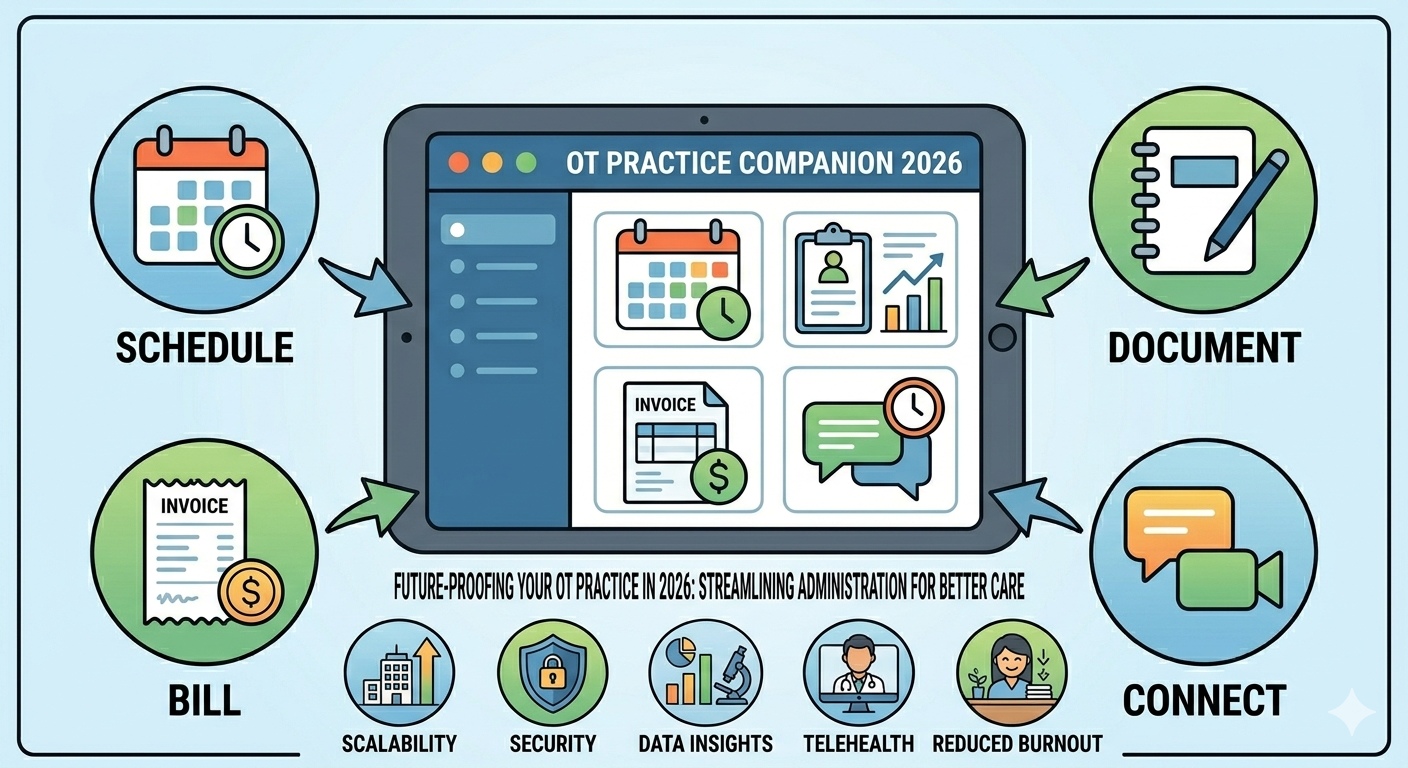
Managing an occupational therapy practice involves much more than conducting therapy sessions. Therapists must handle scheduling, documentation, billing, communication, compliance, and progress tracking while still delivering quality care to clients. This is why many clinics and independent practitioners are now investing in occupational therapy software to simplify operations and improve patient experiences.
As therapy practices continue to grow in 2026, digital systems are no longer just optional tools. They have become an essential part of running an organized, efficient, and client focused practice. The right platform can reduce administrative stress, improve workflow, and help therapists spend more time focusing on treatment outcomes instead of paperwork.
The Growing Need for Smarter Practice Management
Occupational therapists often manage multiple responsibilities throughout the day. From handling evaluations to maintaining treatment notes and coordinating with families, the workload can quickly become overwhelming without the right systems in place.
Traditional paper records and disconnected software tools can slow down daily operations. Missed appointments, delayed documentation, and billing errors may affect both productivity and client satisfaction. Modern therapy software solves these challenges by bringing everything together into one secure platform.
In 2026, practices are also dealing with increasing expectations for faster communication and better patient engagement. Families and clients want convenient scheduling options, digital forms, and easier access to information. Therapy software helps clinics meet these expectations while maintaining professional standards.
Simplified Scheduling and Appointment Management
One of the biggest benefits of therapy software is efficient scheduling. Managing appointments manually can lead to double bookings, confusion, or missed sessions. A centralized scheduling system allows therapists and administrative staff to organize calendars with greater accuracy.
Many software platforms now include features such as:
- Online appointment booking
- Automated reminders
- Calendar syncing
- Recurring session scheduling
- Waitlist management
These tools help reduce no shows and improve time management for both therapists and clients. Automated reminders alone can significantly improve attendance rates and reduce administrative follow ups.
For practices with multiple therapists, scheduling software also helps coordinate room availability, therapist assignments, and session timing more effectively.
Better Documentation and Note Taking
Documentation is one of the most time consuming parts of occupational therapy. Therapists must maintain accurate records for evaluations, treatment plans, progress updates, and compliance requirements.
Modern software platforms simplify this process with customizable templates and faster note taking tools. Instead of writing repetitive information manually, therapists can streamline documentation while still maintaining detailed and accurate records.
Efficient documentation systems provide benefits such as:
- Faster note completion
- Improved organization
- Reduced paperwork
- Easier progress tracking
- Secure digital storage
Having quick access to patient history also improves continuity of care. Therapists can review previous sessions, monitor progress, and adjust treatment strategies more efficiently.
Improved Billing and Insurance Management
Billing mistakes can create delays in payments and increase administrative stress for therapy clinics. Occupational therapy software often includes integrated billing features that help practices manage claims and payments more accurately.
With automated billing tools, therapists and office staff can:
- Generate invoices quickly
- Track unpaid balances
- Submit insurance claims
- Verify client information
- Monitor payment history
This reduces manual errors and improves financial organization for the practice. Many clinics also find that automated billing systems help accelerate reimbursements and improve revenue tracking.
Enhanced Client Communication
Clear communication plays an important role in therapy success. Clients and families often need reminders, updates, and easy access to appointment information.
Therapy software improves communication by offering secure messaging systems and client portals. These tools create a more professional and convenient experience for clients while reducing the administrative burden on staff.
Families appreciate having access to schedules, forms, and progress information without needing multiple phone calls or emails. This level of accessibility can improve trust and long term client relationships.
Increased Data Security and Compliance
Protecting patient information is a major responsibility for every therapy practice. Paper files and unsecured systems increase the risk of lost records or data breaches.
Modern occupational therapy platforms use secure cloud based systems designed to protect sensitive information. Features like encrypted storage, user permissions, and automatic backups help practices maintain privacy and compliance standards.
In 2026, security expectations continue to rise as more practices move toward digital operations. Choosing software with strong compliance and data protection features is essential for maintaining professional credibility and client confidence.
Better Workflow for Growing Practices
As clinics expand, administrative tasks often become more difficult to manage manually. Growth can create challenges related to staffing, scheduling, communication, and reporting.
Therapy software supports scalable growth by helping practices organize operations more effectively. Instead of adding more paperwork and manual systems, clinics can automate repetitive tasks and improve internal coordination.
This creates a smoother workflow for:
- Solo practitioners
- Pediatric therapy clinics
- Multi location practices
- Growing therapy teams
Efficient systems also help reduce staff burnout by minimizing repetitive administrative work.
Teletherapy and Remote Accessibility
Remote care continues to play an important role in therapy services. Many occupational therapists now offer virtual sessions to improve accessibility for clients who may face transportation or scheduling challenges.
Modern therapy platforms often include telehealth capabilities that allow therapists to conduct secure virtual sessions directly through the software. This creates a seamless experience for both providers and clients.
Teletherapy features may include:
- Video session integration
- Secure file sharing
- Digital intake forms
- Remote progress tracking
These tools allow practices to expand their services while maintaining organized records and communication.
Reporting and Practice Insights
Successful clinics rely on accurate data to make informed business decisions. Therapy software can provide reporting tools that help practice owners understand performance trends and operational efficiency.
Reports may include insights related to:
- Appointment trends
- Revenue tracking
- Therapist productivity
- Client retention
- Billing performance
Having access to organized data helps clinics identify opportunities for improvement and plan future growth strategies more effectively.
Choosing the Right Platform for Your Practice
Every occupational therapy practice has different needs, so selecting the right software requires careful evaluation. Some clinics prioritize documentation tools, while others focus more on billing or telehealth capabilities.
When comparing platforms, therapists should consider factors such as ease of use, customer support, scalability, customization, and pricing. A user friendly interface is especially important because complicated systems can slow down adoption and frustrate staff members.
Some clinics also look for a SimplePractice alternative that offers therapy specific features tailored to occupational therapy workflows. Evaluating multiple options allows practices to choose a system that aligns with their long term goals and daily operational needs.
Before making a final decision, practices should request demos, review integrations, and assess whether the platform supports future growth.
The Future of Occupational Therapy Technology
Technology will continue transforming the way therapy practices operate. Artificial intelligence, automated workflows, advanced reporting, and improved client engagement tools are expected to become even more common in the coming years.
Therapists who adopt modern systems early are more likely to improve efficiency, reduce stress, and create better client experiences. Software solutions are no longer just administrative tools. They are becoming an important part of delivering organized and effective care.
Investing in the right technology in 2026 can help occupational therapy practices remain competitive, efficient, and prepared for future growth.
Conclusion
Running a successful occupational therapy practice requires balance between quality patient care and efficient business management. Digital platforms now help therapists simplify scheduling, documentation, billing, communication, and compliance in ways that were difficult to achieve with manual systems.
The right occupational therapy software can improve workflow, reduce administrative pressure, and create a more organized experience for both therapists and clients. Whether you are managing a solo practice or expanding a larger clinic, investing in modern software can support long term success and better care delivery.
Practices exploring a reliable SimplePractice alternative should focus on finding a platform that matches their clinical needs, supports growth, and enhances everyday operations without adding unnecessary complexity.
FAQs
What is occupational therapy software used for?
Occupational therapy software helps practices manage scheduling, documentation, billing, telehealth, communication, and patient records in one organized system. It improves efficiency and reduces manual administrative work.
How does therapy software improve patient care?
Therapy software allows therapists to spend less time on paperwork and more time focusing on treatment. It also improves communication, appointment management, and progress tracking for better client experiences.
What should therapists look for in a SimplePractice alternative?
Therapists should look for features such as easy scheduling, secure documentation, billing tools, telehealth support, reporting features, and strong customer support when evaluating a new practice management platform.

 Arabic
 French
 Spanish
 Portuguese
 Deutsch
 Turkish
 Dutch
Dutch
 Italiano
 Russian
 Romaian
 Portuguese (Brazil)
 Greek
Greek