
• Enhancing Efficiency in Bakeries: The Advanced Pie Dough Production Line

    Introduction:
    In the highly competitive world of commercial baking, efficiency, consistency, and quality are key factors that separate successful bakeries from the rest. The pie dough production line represents a revolutionary leap forward in achieving these goals. By automating the dough sheeting, forming, and portioning processes, bakeries can increase productivity while ensuring uniform quality. This article delves into the technical aspects of the pie dough production line, its key components, and the advantages it offers to both small and large-scale bakery operations.

    What is the Pie Dough Production Line?
    The pie dough production line is a fully automated system designed to produce high-quality pie dough in large quantities. The line streamlines the dough production process by using state-of-the-art technologies that ensure precise control over dough thickness, shaping, and portioning. This system allows bakeries to scale their operations while maintaining consistency across every batch of dough.
    Pie Dough Production Line
    https://www.hexeon.net/pie-dough-sheeting-and-forming-production-line.html
    Key Components of the Pie Dough Production Line

    Dough Sheeting System
    The sheeting system is the backbone of the pie dough production line. It uses precision rollers to flatten dough to a consistent thickness. Uniformity in dough thickness is critical in ensuring that each pie crust bakes evenly and has the same texture. This component is essential for bakeries that need to produce high volumes of dough with minimal variation.

    Key Features:

    Adjustable Rollers: The rollers can be adjusted to set different thicknesses for the dough, depending on the product being produced (e.g., thicker dough for savory pies, thinner dough for sweet pies).
    Continuous Operation: The system operates continuously, ensuring a smooth and consistent production flow, minimizing downtime and increasing efficiency.

    Automated Dough Forming System
    After the dough is sheeted, it moves to the forming system. This automated component shapes the dough into uniform pie crusts, ready for filling. The forming system is highly flexible, able to accommodate different pie sizes and shapes, from traditional round pies to square and mini pies.

    Key Features:

    Versatile Mold Integration: The forming system can integrate various molds to shape the dough into different pie sizes or special designs.
    High Precision: The forming process ensures that each crust is perfectly shaped, contributing to the overall quality and uniformity of the final product.

    Cutting and Portioning Mechanism
    The pie dough production line includes a precise cutting system that portions the dough into equal sizes, reducing waste and ensuring consistency. This mechanism guarantees that each pie is the same size, making it essential for bakeries that require uniform product dimensions.

    Advantages:

    Uniform Portioning: Each piece of dough is portioned accurately, ensuring that pies are consistently sized, which is crucial for customer satisfaction and brand consistency.
    Customization: The cutting system can be adjusted to create different portion sizes based on specific product requirements.

    Energy-Efficient Design
    With rising energy costs and environmental concerns, the energy efficiency of production equipment is more important than ever. The pie dough production line is designed with energy-saving features that reduce power consumption while maintaining high production speeds. This makes the system not only cost-effective but also environmentally friendly.

    Energy-Saving Features:

    Optimized Motors: The system uses advanced motor technology that reduces energy consumption, thus lowering operational costs.
    Efficient Heat Management: The system incorporates temperature controls that help minimize energy waste during production.

    Automated Cleaning System
    Cleanliness is a top priority in food production, and the pie dough production line is designed to maintain hygiene standards. The automated cleaning system helps ensure that the equipment remains free from dough residues and contaminants, reducing downtime and improving food safety.

    Benefits:

    Automated Cleaning Cycles: After each production batch, the system automatically cleans itself, reducing the need for manual intervention.
    Hygienic Design: The equipment is designed with materials that are easy to clean, ensuring compliance with food safety regulations.
    Enhancing Efficiency in Bakeries: The Advanced Pie Dough Production Line Introduction: In the highly competitive world of commercial baking, efficiency, consistency, and quality are key factors that separate successful bakeries from the rest. The pie dough production line represents a revolutionary leap forward in achieving these goals. By automating the dough sheeting, forming, and portioning processes, bakeries can increase productivity while ensuring uniform quality. This article delves into the technical aspects of the pie dough production line, its key components, and the advantages it offers to both small and large-scale bakery operations. What is the Pie Dough Production Line? The pie dough production line is a fully automated system designed to produce high-quality pie dough in large quantities. The line streamlines the dough production process by using state-of-the-art technologies that ensure precise control over dough thickness, shaping, and portioning. This system allows bakeries to scale their operations while maintaining consistency across every batch of dough. Pie Dough Production Line https://www.hexeon.net/pie-dough-sheeting-and-forming-production-line.html Key Components of the Pie Dough Production Line Dough Sheeting System The sheeting system is the backbone of the pie dough production line. It uses precision rollers to flatten dough to a consistent thickness. Uniformity in dough thickness is critical in ensuring that each pie crust bakes evenly and has the same texture. This component is essential for bakeries that need to produce high volumes of dough with minimal variation. Key Features: Adjustable Rollers: The rollers can be adjusted to set different thicknesses for the dough, depending on the product being produced (e.g., thicker dough for savory pies, thinner dough for sweet pies). Continuous Operation: The system operates continuously, ensuring a smooth and consistent production flow, minimizing downtime and increasing efficiency. Automated Dough Forming System After the dough is sheeted, it moves to the forming system. This automated component shapes the dough into uniform pie crusts, ready for filling. The forming system is highly flexible, able to accommodate different pie sizes and shapes, from traditional round pies to square and mini pies. Key Features: Versatile Mold Integration: The forming system can integrate various molds to shape the dough into different pie sizes or special designs. High Precision: The forming process ensures that each crust is perfectly shaped, contributing to the overall quality and uniformity of the final product. Cutting and Portioning Mechanism The pie dough production line includes a precise cutting system that portions the dough into equal sizes, reducing waste and ensuring consistency. This mechanism guarantees that each pie is the same size, making it essential for bakeries that require uniform product dimensions. Advantages: Uniform Portioning: Each piece of dough is portioned accurately, ensuring that pies are consistently sized, which is crucial for customer satisfaction and brand consistency. Customization: The cutting system can be adjusted to create different portion sizes based on specific product requirements. Energy-Efficient Design With rising energy costs and environmental concerns, the energy efficiency of production equipment is more important than ever. The pie dough production line is designed with energy-saving features that reduce power consumption while maintaining high production speeds. This makes the system not only cost-effective but also environmentally friendly. Energy-Saving Features: Optimized Motors: The system uses advanced motor technology that reduces energy consumption, thus lowering operational costs. Efficient Heat Management: The system incorporates temperature controls that help minimize energy waste during production. Automated Cleaning System Cleanliness is a top priority in food production, and the pie dough production line is designed to maintain hygiene standards. The automated cleaning system helps ensure that the equipment remains free from dough residues and contaminants, reducing downtime and improving food safety. Benefits: Automated Cleaning Cycles: After each production batch, the system automatically cleans itself, reducing the need for manual intervention. Hygienic Design: The equipment is designed with materials that are easy to clean, ensuring compliance with food safety regulations.
    Fully Automatic Pie Dough Production Line Manufacturer Factory - Hengjiang Intelligent Technology Co., Ltd
    Pie Dough Production Line for high-quality filled and unfilled pies, combining advanced sheeting and forming technology with precise control for consistent texture, appearance, and versatile pastry production.
    0 Commenti 0 condivisioni 29 Views 0 Anteprima
  • Automatic Donut Forming Line: Precision, Efficiency, and Scalability for High-Volume Production

    The Automatic Donut Forming Line is an advanced production system engineered to meet the demands of large-scale donut manufacturing. This fully automated line efficiently handles everything from dough shaping to frying and glazing, delivering consistent, high-quality donuts at an impressive rate. Perfect for bakeries, food manufacturers, and wholesale distributors, the Automatic Donut Forming Line ensures increased productivity, reduced labor costs, and exceptional product uniformity. Whether you need to produce classic ring donuts, filled varieties, or mini donuts, this system is versatile and reliable.
    Automatic Donut Forming Line
    https://www.hexeon.net/donut-forming-production-line.html
    Key Features of the Automatic Donut Forming Line
    High-Speed Production Capacity
    The Automatic Donut Forming Line is designed to deliver high-speed production, capable of producing up to 12,000 donuts per hour, depending on the size and type of donut. This makes it ideal for businesses that require high-volume output, ensuring you can meet large orders and supply the market with fresh products continuously.
    Precision Dough Forming
    At the core of this line is the precision dough forming system. Using advanced molding technology, the system accurately shapes each donut with uniform size and texture. This minimizes waste and ensures consistent quality across every batch, making it suitable for businesses that prioritize uniformity in their product offerings. The system allows for easy adjustment to produce different types of donuts, including ring, filled, and mini variants.
    Automated Frying System
    The automated frying system ensures that each donut is fried to perfection. The temperature can be adjusted between 150°C to 190°C (302°F to 374°F), allowing for flexibility depending on the recipe and desired texture. By maintaining a constant frying temperature, the system ensures that all donuts have a consistent golden-brown color and the perfect level of crispness. This prevents overcooking or undercooking, guaranteeing high-quality results with every batch.
    Efficient Glazing and Coating
    After frying, donuts move through an integrated glazing and coating system. The line automatically applies a smooth, even layer of sugar, chocolate, or other coatings, providing consistency in both appearance and flavor. This system reduces labor costs and ensures that every donut has the same level of coverage, improving both its visual appeal and taste.
    Hygienic and Easy-to-Maintain Design
    Hygiene is critical in food production, and the Automatic Donut Forming Line is designed to meet strict food safety standards. Constructed from food-grade stainless steel, the line is durable, easy to clean, and resistant to corrosion. The smooth surfaces and easily removable parts make cleaning and maintenance efficient, ensuring that the line operates smoothly and complies with hygiene regulations.
    Technical Specifications
    Production Capacity: Up to 12,000 donuts per hour, based on donut type and size.
    Frying Temperature Range: Adjustable between 150°C to 190°C (302°F to 374°F) for optimal frying conditions.
    Dough Hopper Capacity: Large hopper to ensure continuous dough supply, reducing downtime.
    Machine Dimensions: Configurations available to fit a variety of production facility sizes, from compact designs to larger, multi-stage setups.
    Automation Level: Fully automated process, including dough forming, frying, and glazing, minimizing manual labor and human error.
    Energy Efficiency: Designed for optimal energy consumption to reduce operational costs.
    Power Requirements: Customizable to suit specific production facility needs.
    Benefits of the Automatic Donut Forming Line
    Increased Production Efficiency
    The Automatic Donut Forming Line automates the entire donut-making process, resulting in higher production efficiency. With its high-speed output and minimal manual intervention, businesses can meet large production demands without the need for additional staff, reducing labor costs significantly.
    Consistency and Quality Control
    Precision dough forming, automated frying, and uniform glazing ensure that every donut is identical in size, texture, and appearance. This consistency is crucial for businesses that need to maintain high-quality standards across batches, ensuring customers always receive the same product quality.
    Flexibility and Versatility
    The system is highly adaptable, allowing businesses to produce a wide range of donut types. Whether you need traditional ring donuts, filled donuts, or mini versions, the Automatic Donut Forming Line can be easily adjusted to meet your needs, offering flexibility in your product offerings and catering to diverse customer preferences.
    Automatic Donut Forming Line: Precision, Efficiency, and Scalability for High-Volume Production The Automatic Donut Forming Line is an advanced production system engineered to meet the demands of large-scale donut manufacturing. This fully automated line efficiently handles everything from dough shaping to frying and glazing, delivering consistent, high-quality donuts at an impressive rate. Perfect for bakeries, food manufacturers, and wholesale distributors, the Automatic Donut Forming Line ensures increased productivity, reduced labor costs, and exceptional product uniformity. Whether you need to produce classic ring donuts, filled varieties, or mini donuts, this system is versatile and reliable. Automatic Donut Forming Line https://www.hexeon.net/donut-forming-production-line.html Key Features of the Automatic Donut Forming Line High-Speed Production Capacity The Automatic Donut Forming Line is designed to deliver high-speed production, capable of producing up to 12,000 donuts per hour, depending on the size and type of donut. This makes it ideal for businesses that require high-volume output, ensuring you can meet large orders and supply the market with fresh products continuously. Precision Dough Forming At the core of this line is the precision dough forming system. Using advanced molding technology, the system accurately shapes each donut with uniform size and texture. This minimizes waste and ensures consistent quality across every batch, making it suitable for businesses that prioritize uniformity in their product offerings. The system allows for easy adjustment to produce different types of donuts, including ring, filled, and mini variants. Automated Frying System The automated frying system ensures that each donut is fried to perfection. The temperature can be adjusted between 150°C to 190°C (302°F to 374°F), allowing for flexibility depending on the recipe and desired texture. By maintaining a constant frying temperature, the system ensures that all donuts have a consistent golden-brown color and the perfect level of crispness. This prevents overcooking or undercooking, guaranteeing high-quality results with every batch. Efficient Glazing and Coating After frying, donuts move through an integrated glazing and coating system. The line automatically applies a smooth, even layer of sugar, chocolate, or other coatings, providing consistency in both appearance and flavor. This system reduces labor costs and ensures that every donut has the same level of coverage, improving both its visual appeal and taste. Hygienic and Easy-to-Maintain Design Hygiene is critical in food production, and the Automatic Donut Forming Line is designed to meet strict food safety standards. Constructed from food-grade stainless steel, the line is durable, easy to clean, and resistant to corrosion. The smooth surfaces and easily removable parts make cleaning and maintenance efficient, ensuring that the line operates smoothly and complies with hygiene regulations. Technical Specifications Production Capacity: Up to 12,000 donuts per hour, based on donut type and size. Frying Temperature Range: Adjustable between 150°C to 190°C (302°F to 374°F) for optimal frying conditions. Dough Hopper Capacity: Large hopper to ensure continuous dough supply, reducing downtime. Machine Dimensions: Configurations available to fit a variety of production facility sizes, from compact designs to larger, multi-stage setups. Automation Level: Fully automated process, including dough forming, frying, and glazing, minimizing manual labor and human error. Energy Efficiency: Designed for optimal energy consumption to reduce operational costs. Power Requirements: Customizable to suit specific production facility needs. Benefits of the Automatic Donut Forming Line Increased Production Efficiency The Automatic Donut Forming Line automates the entire donut-making process, resulting in higher production efficiency. With its high-speed output and minimal manual intervention, businesses can meet large production demands without the need for additional staff, reducing labor costs significantly. Consistency and Quality Control Precision dough forming, automated frying, and uniform glazing ensure that every donut is identical in size, texture, and appearance. This consistency is crucial for businesses that need to maintain high-quality standards across batches, ensuring customers always receive the same product quality. Flexibility and Versatility The system is highly adaptable, allowing businesses to produce a wide range of donut types. Whether you need traditional ring donuts, filled donuts, or mini versions, the Automatic Donut Forming Line can be easily adjusted to meet your needs, offering flexibility in your product offerings and catering to diverse customer preferences.
    Industrial Automatic Donut Forming Line Manufacturer Supplier - Hengjiang Intelligent Technology Co., Ltd
    Automatic Donut Forming Line for precise, high-efficiency yeast dough shaping, supporting various donut shapes, flavors, and decorations with advanced automation and control for versatile donut production.
    0 Commenti 0 condivisioni 27 Views 0 Anteprima
  • Agricultural Fumigants Market Growth Supported by Advances in Pest and Soil Management

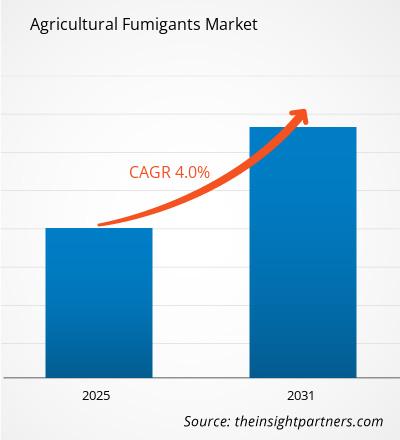
    The global Agricultural Fumigants Market is emerging as a critical segment within the agrochemical industry, driven by the world's urgent need to secure food production and manage pest threats more effectively. According to a detailed market research report by The Insight Partners, the agricultural fumigants market is set to register a compound annual growth rate (CAGR) of 4% between 2025 and 2031, signaling steady and sustained expansion over the coming years. With historical data spanning from 2021 to 2023 and a base year set at 2024, the report offers a thorough lens through which stakeholders can evaluate both current dynamics and future trajectories.

    What Are Agricultural Fumigants?
    Agricultural fumigants are chemical substances used to eliminate pests, insects, fungi, and other harmful organisms in soils and stored grain facilities. They are deployed in various forms — solid, liquid, and gas — and applied across a range of agricultural settings, from open farmland to warehouse storage units. Key product types covered in the market analysis include methyl bromide, phosphine, chloropicrin, metam sodium, and 1,3-dichloropropene, each offering distinct advantages depending on the pest profile and application environment.

    Access Report for More Info: https://www.theinsightpartners.com/reports/agricultural-fumigants-market

    Key Market Drivers
    Several powerful forces are fuelling the growth of the agricultural fumigants market. The most significant among them is the rising global population, which continues to place immense pressure on agricultural systems to produce more food with fewer losses. Farmers worldwide are increasingly turning to fumigants as a reliable tool for eliminating pests and diseases that would otherwise reduce crop yields. Beyond population growth, regulatory support in many countries is actively encouraging the adoption of safer fumigation practices, with governments enacting policies that balance effective pest control with environmental responsibility. Additionally, the growing emphasis on food safety across global supply chains is boosting demand for fumigants that help keep stored grains and produce pest-free, ensuring quality from farm to table.

    Regional Insights
    From a geographical standpoint, Asia Pacific currently dominates the global agricultural fumigants market. This leadership is attributed to the region's rapidly expanding agricultural industry, a surging population base, and increasing levels of agricultural production. Countries like China, India, and Japan are key contributors to this regional share. Meanwhile, North America and Europe represent mature but steady markets, with ongoing innovation and regulatory frameworks shaping consumption patterns. Emerging markets in South and Central America as well as the Middle East and Africa present exciting growth opportunities, particularly as climate change intensifies the need for robust pest management solutions across these regions.

    Future Trends Shaping the Industry
    Looking ahead, the market is poised to undergo significant transformation. One of the most prominent trends is the industry-wide shift toward biodegradable and environmentally safe fumigants. As governments tighten regulations and public awareness around environmental sustainability grows, the demand for less toxic alternatives is expected to rise sharply. Smart farming technologies are also entering the picture, with the integration of IoT, GPS, and data analytics enabling farmers to apply fumigants more precisely, reducing waste and improving overall pest management efficiency. The expansion of the biopesticides market further signals a broader restructuring of how the agricultural sector approaches pest control.

    Key Players
    The agricultural fumigants market is home to several industry titans. Major players include ADAMA Ltd., AMVAC Chemical Corporation, Arkema Group, BASF SE, Isagro SpA, LANXESS AG, Nippon Chemical Industrial Co., Solvay SA, and Syngenta AG. These companies are actively investing in research, innovation, and strategic partnerships to maintain their competitive edge in an evolving marketplace.

    Conclusion
    The agricultural fumigants market stands at an inflection point — balancing the immediate need for effective pest control with the long-term imperative of environmental and health sustainability. With a projected 4% CAGR through 2031 and a growing emphasis on safer, smarter farming technologies, the market offers compelling opportunities for manufacturers, investors, and policymakers alike. As the industry continues to innovate, agricultural fumigants will remain a cornerstone of global food security strategies for years to come.
    Agricultural Fumigants Market Growth Supported by Advances in Pest and Soil Management The global Agricultural Fumigants Market is emerging as a critical segment within the agrochemical industry, driven by the world's urgent need to secure food production and manage pest threats more effectively. According to a detailed market research report by The Insight Partners, the agricultural fumigants market is set to register a compound annual growth rate (CAGR) of 4% between 2025 and 2031, signaling steady and sustained expansion over the coming years. With historical data spanning from 2021 to 2023 and a base year set at 2024, the report offers a thorough lens through which stakeholders can evaluate both current dynamics and future trajectories. What Are Agricultural Fumigants? Agricultural fumigants are chemical substances used to eliminate pests, insects, fungi, and other harmful organisms in soils and stored grain facilities. They are deployed in various forms — solid, liquid, and gas — and applied across a range of agricultural settings, from open farmland to warehouse storage units. Key product types covered in the market analysis include methyl bromide, phosphine, chloropicrin, metam sodium, and 1,3-dichloropropene, each offering distinct advantages depending on the pest profile and application environment. 👉 Access Report for More Info: https://www.theinsightpartners.com/reports/agricultural-fumigants-market Key Market Drivers Several powerful forces are fuelling the growth of the agricultural fumigants market. The most significant among them is the rising global population, which continues to place immense pressure on agricultural systems to produce more food with fewer losses. Farmers worldwide are increasingly turning to fumigants as a reliable tool for eliminating pests and diseases that would otherwise reduce crop yields. Beyond population growth, regulatory support in many countries is actively encouraging the adoption of safer fumigation practices, with governments enacting policies that balance effective pest control with environmental responsibility. Additionally, the growing emphasis on food safety across global supply chains is boosting demand for fumigants that help keep stored grains and produce pest-free, ensuring quality from farm to table. Regional Insights From a geographical standpoint, Asia Pacific currently dominates the global agricultural fumigants market. This leadership is attributed to the region's rapidly expanding agricultural industry, a surging population base, and increasing levels of agricultural production. Countries like China, India, and Japan are key contributors to this regional share. Meanwhile, North America and Europe represent mature but steady markets, with ongoing innovation and regulatory frameworks shaping consumption patterns. Emerging markets in South and Central America as well as the Middle East and Africa present exciting growth opportunities, particularly as climate change intensifies the need for robust pest management solutions across these regions. Future Trends Shaping the Industry Looking ahead, the market is poised to undergo significant transformation. One of the most prominent trends is the industry-wide shift toward biodegradable and environmentally safe fumigants. As governments tighten regulations and public awareness around environmental sustainability grows, the demand for less toxic alternatives is expected to rise sharply. Smart farming technologies are also entering the picture, with the integration of IoT, GPS, and data analytics enabling farmers to apply fumigants more precisely, reducing waste and improving overall pest management efficiency. The expansion of the biopesticides market further signals a broader restructuring of how the agricultural sector approaches pest control. Key Players The agricultural fumigants market is home to several industry titans. Major players include ADAMA Ltd., AMVAC Chemical Corporation, Arkema Group, BASF SE, Isagro SpA, LANXESS AG, Nippon Chemical Industrial Co., Solvay SA, and Syngenta AG. These companies are actively investing in research, innovation, and strategic partnerships to maintain their competitive edge in an evolving marketplace. Conclusion The agricultural fumigants market stands at an inflection point — balancing the immediate need for effective pest control with the long-term imperative of environmental and health sustainability. With a projected 4% CAGR through 2031 and a growing emphasis on safer, smarter farming technologies, the market offers compelling opportunities for manufacturers, investors, and policymakers alike. As the industry continues to innovate, agricultural fumigants will remain a cornerstone of global food security strategies for years to come.
    WWW.THEINSIGHTPARTNERS.COM
    Agricultural Fumigants Market Research Insights Report 2031
    Agricultural Fumigants Market to achieve a CAGR of 4% by 2031. Gain a 360-degree view of the market, including its key drivers and future trends.
    Love
    1
    0 Commenti 0 condivisioni 1K Views 0 Anteprima
  • High-Speed, High-Capacity Pizza Production

    The Automatic Pizza Forming Line is designed to handle high volumes of pizza production at incredible speeds. Capable of manufacturing pizzas at an accelerated pace without compromising quality, the system is perfect for large-scale pizza factories, catering services, or high-demand pizzerias. It ensures that businesses can efficiently produce a consistent number of pizzas while maintaining the highest standards in every batch. Whether you are producing hundreds or thousands of pizzas per day, the Automatic Pizza Forming Line helps businesses meet high demand without delay.
    Automatic Pizza Forming Line
    https://www.hexeon.net/pizza-forming-production-line.html
    The high-speed nature of this production line means businesses can maximize productivity, minimize waiting times, and meet tight deadlines. It significantly enhances the operational efficiency of pizza production, providing a seamless process from dough preparation to the final pizza output.

    Precision for Consistent, High-Quality Pizzas

    At the heart of the Automatic Pizza Forming Line is its exceptional precision. This system is engineered to produce pizzas that are uniform in size, shape, and thickness. The advanced dough forming technology ensures that each pizza is made to perfection, whether it's a thin-crust pizza, deep-dish pie, or any other variation. The precision of the Automatic Pizza Forming Line minimizes inconsistencies that can occur with manual pizza production, reducing waste and ensuring consistent results.

    Every pizza base is stretched and formed with high accuracy, reducing dough loss and ensuring even cooking. The uniform thickness and shape of the pizzas guarantee the same high quality in every product, which is crucial for maintaining customer satisfaction. With this level of precision, the Automatic Pizza Forming Line supports businesses in producing a flawless product every time.

    Flexibility to Produce Various Pizza Sizes and Styles

    The Automatic Pizza Forming Line offers impressive flexibility, making it suitable for the production of pizzas in various sizes, shapes, and crust types. Whether you're producing small, personal-sized pizzas or large, family-sized pies, the system easily adapts to different product requirements. Additionally, the line allows for custom-shaped pizzas, which helps businesses differentiate their offerings and cater to unique market demands.

    The system also supports multiple dough types, including traditional wheat-based dough, gluten-free, whole grain, and specialty pizza recipes. This flexibility enables businesses to expand their product offerings and cater to a broader customer base, including health-conscious consumers and those with dietary restrictions.

    Hygienic and Safe Production Process

    Food safety and hygiene are paramount in any food production facility, and the Automatic Pizza Forming Line is designed with this in mind. The system is constructed using high-quality, food-grade materials, ensuring a clean and safe environment for pizza production. The smooth, seamless design minimizes dough build-up, which is crucial for maintaining hygiene and preventing cross-contamination.

    The Automatic Pizza Forming Line also features an automated cleaning system, allowing for quick and efficient sanitization between production runs. This functionality reduces downtime, ensuring that the system is always ready for the next batch. By adhering to stringent hygiene standards, the system helps businesses maintain high food safety standards and meet industry regulations.

    Easy to Operate and Low Maintenance

    Designed for ease of use, the Automatic Pizza Forming Line comes equipped with an intuitive control panel that allows operators to monitor and control the production process with minimal effort. The system is user-friendly, reducing the need for specialized training and making it easier for operators to focus on other tasks.

    Additionally, the Automatic Pizza Forming Line is built for low maintenance, with durable components and automated functions that ensure smooth operation. The system’s design minimizes the need for frequent repairs, resulting in reduced downtime and cost savings for businesses. This reliability makes the Automatic Pizza Forming Line an efficient and cost-effective solution for high-volume pizza production.
    High-Speed, High-Capacity Pizza Production The Automatic Pizza Forming Line is designed to handle high volumes of pizza production at incredible speeds. Capable of manufacturing pizzas at an accelerated pace without compromising quality, the system is perfect for large-scale pizza factories, catering services, or high-demand pizzerias. It ensures that businesses can efficiently produce a consistent number of pizzas while maintaining the highest standards in every batch. Whether you are producing hundreds or thousands of pizzas per day, the Automatic Pizza Forming Line helps businesses meet high demand without delay. Automatic Pizza Forming Line https://www.hexeon.net/pizza-forming-production-line.html The high-speed nature of this production line means businesses can maximize productivity, minimize waiting times, and meet tight deadlines. It significantly enhances the operational efficiency of pizza production, providing a seamless process from dough preparation to the final pizza output. Precision for Consistent, High-Quality Pizzas At the heart of the Automatic Pizza Forming Line is its exceptional precision. This system is engineered to produce pizzas that are uniform in size, shape, and thickness. The advanced dough forming technology ensures that each pizza is made to perfection, whether it's a thin-crust pizza, deep-dish pie, or any other variation. The precision of the Automatic Pizza Forming Line minimizes inconsistencies that can occur with manual pizza production, reducing waste and ensuring consistent results. Every pizza base is stretched and formed with high accuracy, reducing dough loss and ensuring even cooking. The uniform thickness and shape of the pizzas guarantee the same high quality in every product, which is crucial for maintaining customer satisfaction. With this level of precision, the Automatic Pizza Forming Line supports businesses in producing a flawless product every time. Flexibility to Produce Various Pizza Sizes and Styles The Automatic Pizza Forming Line offers impressive flexibility, making it suitable for the production of pizzas in various sizes, shapes, and crust types. Whether you're producing small, personal-sized pizzas or large, family-sized pies, the system easily adapts to different product requirements. Additionally, the line allows for custom-shaped pizzas, which helps businesses differentiate their offerings and cater to unique market demands. The system also supports multiple dough types, including traditional wheat-based dough, gluten-free, whole grain, and specialty pizza recipes. This flexibility enables businesses to expand their product offerings and cater to a broader customer base, including health-conscious consumers and those with dietary restrictions. Hygienic and Safe Production Process Food safety and hygiene are paramount in any food production facility, and the Automatic Pizza Forming Line is designed with this in mind. The system is constructed using high-quality, food-grade materials, ensuring a clean and safe environment for pizza production. The smooth, seamless design minimizes dough build-up, which is crucial for maintaining hygiene and preventing cross-contamination. The Automatic Pizza Forming Line also features an automated cleaning system, allowing for quick and efficient sanitization between production runs. This functionality reduces downtime, ensuring that the system is always ready for the next batch. By adhering to stringent hygiene standards, the system helps businesses maintain high food safety standards and meet industry regulations. Easy to Operate and Low Maintenance Designed for ease of use, the Automatic Pizza Forming Line comes equipped with an intuitive control panel that allows operators to monitor and control the production process with minimal effort. The system is user-friendly, reducing the need for specialized training and making it easier for operators to focus on other tasks. Additionally, the Automatic Pizza Forming Line is built for low maintenance, with durable components and automated functions that ensure smooth operation. The system’s design minimizes the need for frequent repairs, resulting in reduced downtime and cost savings for businesses. This reliability makes the Automatic Pizza Forming Line an efficient and cost-effective solution for high-volume pizza production.
    Commercial Automatic Pizza Forming Line Company Supplier - Hengjiang Intelligent Technology Co., Ltd
    Automatic Pizza Forming Line with high precision, large capacity, flexible operation, and hygienic design, ideal for producing pizzas of various sizes efficiently.
    0 Commenti 0 condivisioni 440 Views 0 Anteprima
  • #fssai #food safety
    https://fssai.org/
    FSSAI Consider Indian Thali as a Healthy Food

    Balanced Nutrition: It includes carbs, proteins, fats, fibre, and micronutrients in one meal.

    Portion Control: Smaller servings prevent overeating.

    Seasonal Ingredients: Fresh vegetables and spices maximise nutrient content.

    Digestive Aids: Accompaniments like raita and chutneys enhance digestion.

    Main Ingredients of Indian Thali: Types and Benefits
    1. Dals (Lentils)
    Lentils are a staple in every Thali, providing plant-based protein and fibre. Here are the common types:
    toor dal, moong dal, masur dal
    #fssai #food safety https://fssai.org/ FSSAI Consider Indian Thali as a Healthy Food Balanced Nutrition: It includes carbs, proteins, fats, fibre, and micronutrients in one meal. Portion Control: Smaller servings prevent overeating. Seasonal Ingredients: Fresh vegetables and spices maximise nutrient content. Digestive Aids: Accompaniments like raita and chutneys enhance digestion. Main Ingredients of Indian Thali: Types and Benefits 1. Dals (Lentils) Lentils are a staple in every Thali, providing plant-based protein and fibre. Here are the common types: toor dal, moong dal, masur dal
    FSSAI.ORG
    Apply Food Licence Online | FSSAI Registration Portal
    Apply for your Food Licence Certificate online through the FSSAI Registration Portal. Fast, secure, and hassle-free service for food business compliance.
    0 Commenti 0 condivisioni 634 Views 0 Anteprima
  • Food Processing Industry IT Solutions

    At Nest Software, we know how demanding the food processing industry can be. That’s why our food processing IT solutions are built with your unique needs in mind. From tracking production in real-time to ensuring compliance with strict food safety regulations, we’re here to simplify your operations. Our tools help you streamline processes, minimize waste, and maintain the highest quality standards, so you can focus on delivering excellence.

    https://nspl.co.in/food-processing-industry/
    #foodprocessingitsolutions
    Food Processing Industry IT Solutions At Nest Software, we know how demanding the food processing industry can be. That’s why our food processing IT solutions are built with your unique needs in mind. From tracking production in real-time to ensuring compliance with strict food safety regulations, we’re here to simplify your operations. Our tools help you streamline processes, minimize waste, and maintain the highest quality standards, so you can focus on delivering excellence. https://nspl.co.in/food-processing-industry/ #foodprocessingitsolutions
    0 Commenti 0 condivisioni 789 Views 0 Anteprima