


3 Common Indian Diet Mistakes That Increase Diabetes Risk
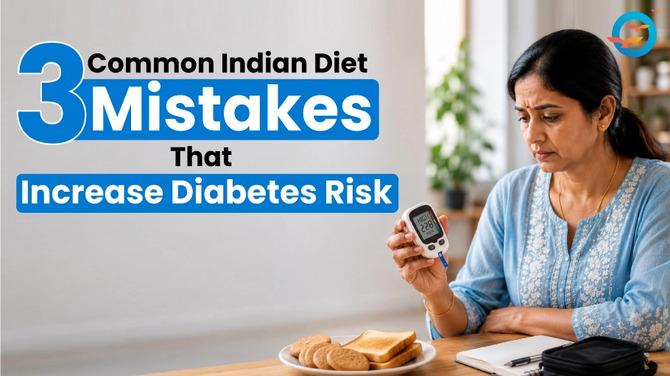
3 Common Indian Diet Mistakes That Increase Diabetes Risk
Diabetes is becoming increasingly common in India, and it is no longer limited to older adults or people with obesity. Today, many families are dealing with high blood sugar, fatty liver, weight gain, and rising cholesterol levels.
While genetics may increase risk, everyday food habits often play a much bigger role.
Many eating patterns that seem completely normal in Indian households may slowly contribute to insulin resistance and poor metabolic health. The good news is that small daily changes can make a big difference over time.
Let’s understand the most common Indian diet mistakes that increase diabetes risk and how healthier choices can help.
Starting the Day with Dairy and Refined Foods
For many Indians, the day begins with tea or coffee along with biscuits, toast, namkeen, or processed snacks.
Although this combination feels light and comforting, it often creates an early blood sugar and insulin spike.
Milk tea combined with refined foods may increase calorie intake without providing enough fiber or protein to keep you full for long. This can lead to cravings and overeating later in the day.
For people trying to improve metabolic health, reducing processed breakfast combinations may help support better blood sugar balance.
Simple alternatives may include:
-
Herbal teas
-
Unsweetened nut-based beverages
-
Almond milk tea
-
Coconut milk beverages
-
Fresh homemade protein-rich breakfasts
Small breakfast changes can support better energy and reduce unnecessary glucose fluctuations.
Grain-Heavy Meals Throughout the Day
One of the biggest contributors to Indian diet and diabetes risk is excessive dependence on grains.
A common daily meal pattern often looks like this:
Breakfast with poha, bread, dosa, idli, or cereals.
Lunch with multiple rotis or large portions of rice.
Dinner repeating similar grain-heavy meals again.
This creates repeated glucose spikes throughout the day.
When meals contain large amounts of refined or excess grains, the body needs to release more insulin repeatedly. Over time, this may contribute to insulin resistance.
Better Meal Balance Matters
Balanced meals are more helpful than simply reducing food quantity.
Instead of filling most of the plate with grains, focus on combining:
-
Controlled grain portions
-
Dal or protein sources
-
Vegetables
-
Salad or fiber-rich foods
For example, instead of eating four rotis with little sabzi, a better plate may include:
one roti, more vegetables, dal, and fresh salad.
This approach supports better fullness and steadier blood sugar levels.
Smarter Breakfast Options
Replacing highly refined breakfasts with protein-rich alternatives may improve energy and glucose control.
Some practical options include:
-
Moong chilla
-
Besan chilla
-
Sprouts chaat
-
Dal dosa
-
Dhokla
-
Mixed sprouts with vegetables
These foods usually provide more fiber and protein compared to highly processed breakfast choices.
Excess Oil and Ghee Consumption
Many people underestimate how much visible fat they consume daily.
In some households, high amounts of oil, butter, or ghee become routine through fried snacks, tadkas, sweets, and rich curries.
Excessive oil intake may contribute to:
-
Fatty liver
-
High triglycerides
-
Weight gain
-
Insulin resistance
-
Elevated cholesterol
This is one reason diabetes and cholesterol problems are often seen together.
Fatty Liver and Blood Sugar
The liver plays a major role in glucose regulation.
When excess fat accumulates in the liver, it may begin releasing more glucose into the bloodstream, worsening blood sugar control.
Even people who are not visibly overweight can develop fatty liver because of poor dietary habits.
Reducing visible fats and processed foods may support liver health over time.
Simple Cooking Changes Can Help
Healthier cooking methods can reduce unnecessary fat intake.
Helpful methods include:
-
Steaming
-
Grilling
-
Roasting
-
Light sautéing
Limiting deep-fried foods and controlling oil quantity during cooking can make everyday meals healthier without completely changing traditional food habits.
Portion Size Is Often the Real Problem
Many people focus only on avoiding sugar, but portion size matters equally.
Even healthy foods may affect blood sugar if eaten in excessive quantities repeatedly.
Mindful eating and balanced portions are important for:
-
Blood sugar stability
-
Weight management
-
Better digestion
-
Long-term metabolic health
Slow, consistent dietary changes are usually easier to maintain than extreme restrictions.
Lifestyle Habits Matter Too
Food is important, but it works best alongside healthy daily habits.
Good metabolic health also depends on:
-
Regular physical activity
-
Strength training
-
Adequate sleep
-
Stress management
-
Consistent meal timing
A healthy lifestyle supports better insulin sensitivity and energy balance.
Final Thoughts
The rise in diabetes is not caused by sugar alone. Daily eating patterns, meal combinations, portion sizes, and excess processed foods all contribute to metabolic problems over time.
Understanding these Indian diet mistakes that increase diabetes risk can help people make smarter food choices without giving up traditional meals completely.
Simple changes like reducing grain-heavy meals, controlling oil intake, balancing the plate, and improving protein and fiber intake can support better long-term health.
Healthy eating does not need to be complicated. Small consistent improvements often create the biggest results.
Read more Indian diet mistakes that increase diabetes risk visit our blog.

 English
 Arabic
 French
 Spanish
 Portuguese
 Deutsch
 Turkish
 Italiano
 Russian
 Romaian
 Portuguese (Brazil)
 Greek
Greek