


Organic NPK Fertilizer: Best Application Tips for Maximum Yield
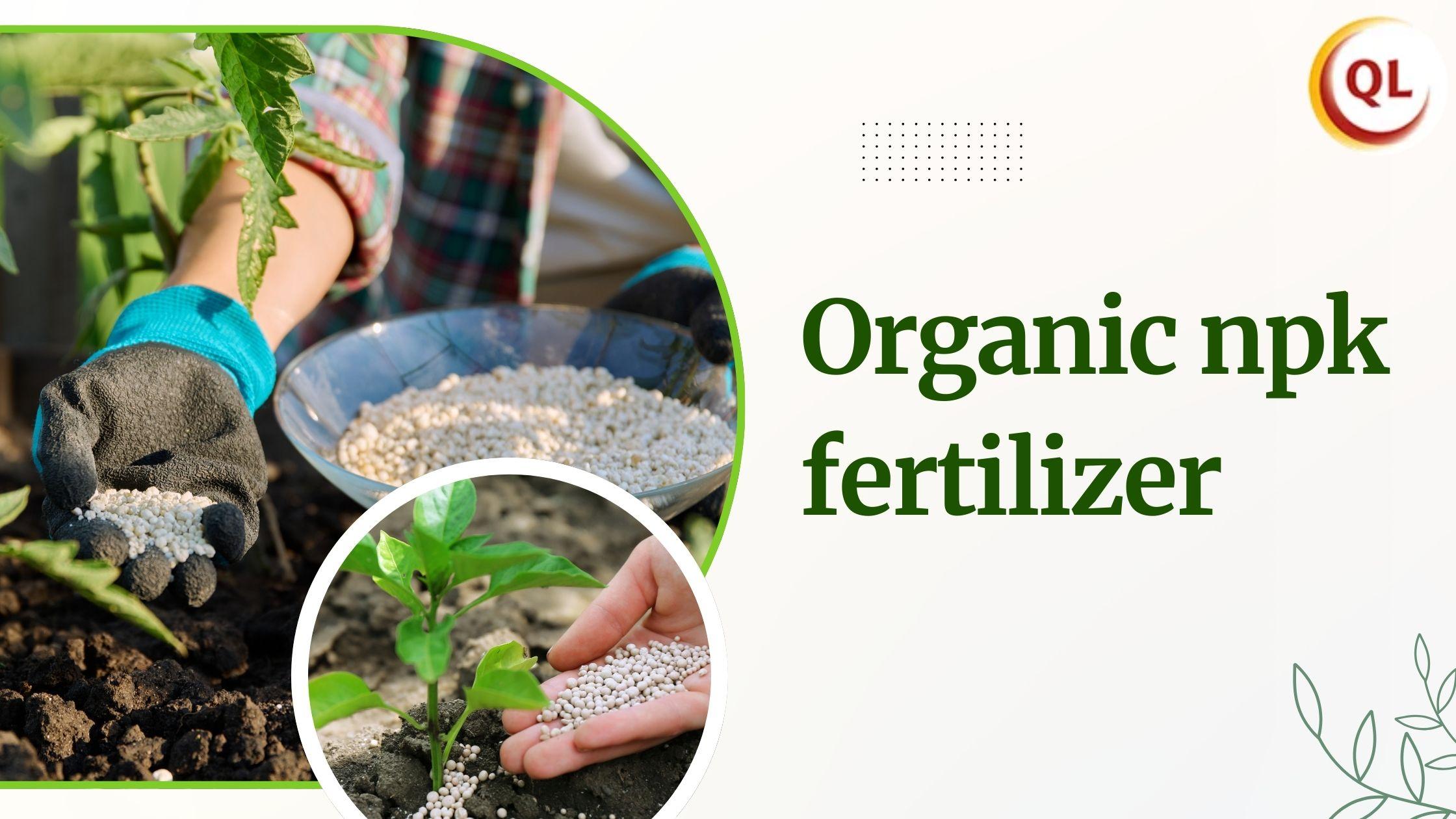
As Vietnam’s agricultural sector continues to grow, farmers are increasingly seeking sustainable fertilizer solutions that improve soil health while boosting crop productivity. One of the most effective options is Organic NPK Fertilizer, a balanced nutrient blend that delivers Nitrogen (N), Phosphorus (P), and Potassium (K) in organic form. Unlike chemical fertilizers, organic NPK nourishes the soil, enhances microbial life, and supports long-term plant health.
At QL Farms, we produce high-quality organic fertilizer in Vietnam designed to meet the needs of large farms, small family growers, and eco-conscious agricultural businesses. This article offers the best application tips for using Organic NPK Fertilizer to achieve maximum yield.
1. Understand Why Organic NPK Fertilizer Outperforms Chemical Inputs
Chemical NPK fertilizers deliver nutrients quickly but often at the cost of soil structure and long-term fertility. Organic NPK fertilizers, on the other hand:
-
Release nutrients slowly and steadily
-
Improve soil texture and moisture retention
-
Enhance microbial activity
-
Reduce nutrient leaching
-
Support healthier, more resilient plants
Because of these benefits, more farmers are switching to organic options to sustain productivity across multiple seasons.
2. Conduct a Soil Test Before Application
A common mistake many farmers make is applying fertilizer without knowing what the soil actually needs. Before using any Organic NPK Fertilizer, a soil test helps identify:
-
Current N, P, K levels
-
Soil pH
-
Organic matter percentage
-
Micronutrient deficiencies
When you know your soil’s condition, you can apply the correct amount of organic NPK and avoid waste. Soil testing ensures maximum efficiency and prevents overuse.
3. Choose the Right Organic NPK Ratio for Your Crop
Different crops require different nutrient proportions. Organic NPK fertilizers come in various ratios, and the right blend depends on the crop’s growing stage and nutrient demand.
Common recommendations include:
-
Vegetables: 12-12-17 or 10-10-10
-
Fruit trees: 8-3-9 or 12-12-17
-
Rice & field crops: 16-16-8 or 15-15-15
-
Flowering plants: 15-30-15 (high phosphorus for blooms)
Using the correct ratio ensures balanced growth and maximum yield.
4. Mix Organic NPK Fertilizer Into the Soil Before Planting
For best results, incorporate organic NPK into the soil during land preparation. This allows the nutrients to blend with the soil and become available as soon as seeds or seedlings are planted.
Benefits of pre-plant incorporation:
-
Stronger root establishment
-
Improved nutrient availability
-
Uniform nutrient distribution
-
Reduced risk of nutrient loss
Mixing the fertilizer evenly prevents nutrient hotspots and ensures consistent plant growth.
5. Apply in Stages Based on the Crop Growth Cycle
Plants require different nutrients at different stages of growth. One-time application is not enough for crops that grow for several months.
Recommended fertilization stages:
1. Basal Application (Before planting)
Provides foundation nutrients necessary for root establishment.
2. Early Growth Stage (2–4 weeks after planting)
Boosts vegetative growth through nitrogen and potassium support.
3. Pre-Flowering Stage
Enhances phosphorus and potassium uptake to support flower development.
4. Fruiting Stage
Sustains fruit formation, size, and quality.
By aligning nutrient supply with plant needs, farmers achieve healthier crops and higher yields.
6. Ensure Even Distribution to Prevent Nutrient Imbalance
Uneven fertilizer application is one of the leading causes of inconsistent crop growth. Some plants may receive too much while others receive too little.
To avoid this:
-
Use mechanical spreaders for large fields
-
Apply carefully by hand for small farms
-
Mix fertilizer with soil or compost to spread evenly
-
Avoid piling fertilizer directly near stems or trunks
Even distribution ensures every plant receives proper nutrition for optimal growth.
7. Water the Soil Before and After Application
Moist soil helps organic fertilizer break down faster. Watering before and after application offers several advantages:
-
Prevents root burn
-
Activates microbial breakdown
-
Helps nutrients penetrate deeper into the soil
-
Reduces surface runoff
For drip irrigation systems, soluble organic NPK can also be applied through fertigation for precise nutrient delivery.
8. Combine Organic NPK With Other Organic Inputs
To maximize impact, farmers should integrate organic NPK with other organic fertilizers such as:
-
Compost
-
Chicken manure
-
Biofertilizers
-
Vermicompost
This combination improves soil structure and boosts microbial activity—critical factors for long-term soil fertility.
At QL Farms, we recommend using organic NPK as part of a complete soil nutrition program to ensure sustained productivity.
9. Avoid Excessive Application—More Is Not Better
Overusing fertilizers is a widespread issue in Vietnam. Even organic fertilizers, when applied in excess, can:
-
Alter soil pH
-
Cause nutrient imbalance
-
Waste resources
-
Harm young roots
Follow recommended guidelines and adjust based on crop response. Observing your plants frequently helps you decide whether more fertilizer is truly needed.
10. Monitor Your Plants for Nutritional Signals
Plants “communicate” their nutrient needs through visible signs:
Signs of nutrient deficiency:
-
Pale or yellow leaves (lack of nitrogen)
-
Poor flowering (phosphorus deficiency)
-
Weak stems or small fruits (potassium deficiency)
Signs of overuse:
-
Burnt leaf tips
-
Salt deposits on soil
-
Dark, overly lush leaves with slow growth
With organic fertilizers, these issues are much less severe, but monitoring plants helps optimize application schedules for maximum yield.
Conclusion
Using Organic NPK Fertilizer the right way is essential for achieving maximum yield, healthy plant growth, and long-term sustainability. As the demand for clean, safe, and eco-friendly food continues to rise, farmers in Vietnam are embracing organic solutions that improve soil fertility without harming the environment. When applied correctly—and combined with other organic inputs—Organic NPK Fertilizer enhances soil health, boosts microbial activity, and supports strong, productive crops.
At QL Farms, we are proud to supply premium-quality organic fertilizer in Vietnam, helping farmers achieve high yields while protecting their soil for future generations. With proper application techniques and sustainable farming practices, organic NPK fertilizers can transform agricultural productivity across the country.

 English
 Arabic
 French
 Spanish
 Portuguese
 Deutsch
 Turkish
 Dutch
Dutch
 Italiano
 Russian
 Romaian
 Portuguese (Brazil)