


HB Planning Services: Expert Guidance for Heritage and Planning Success
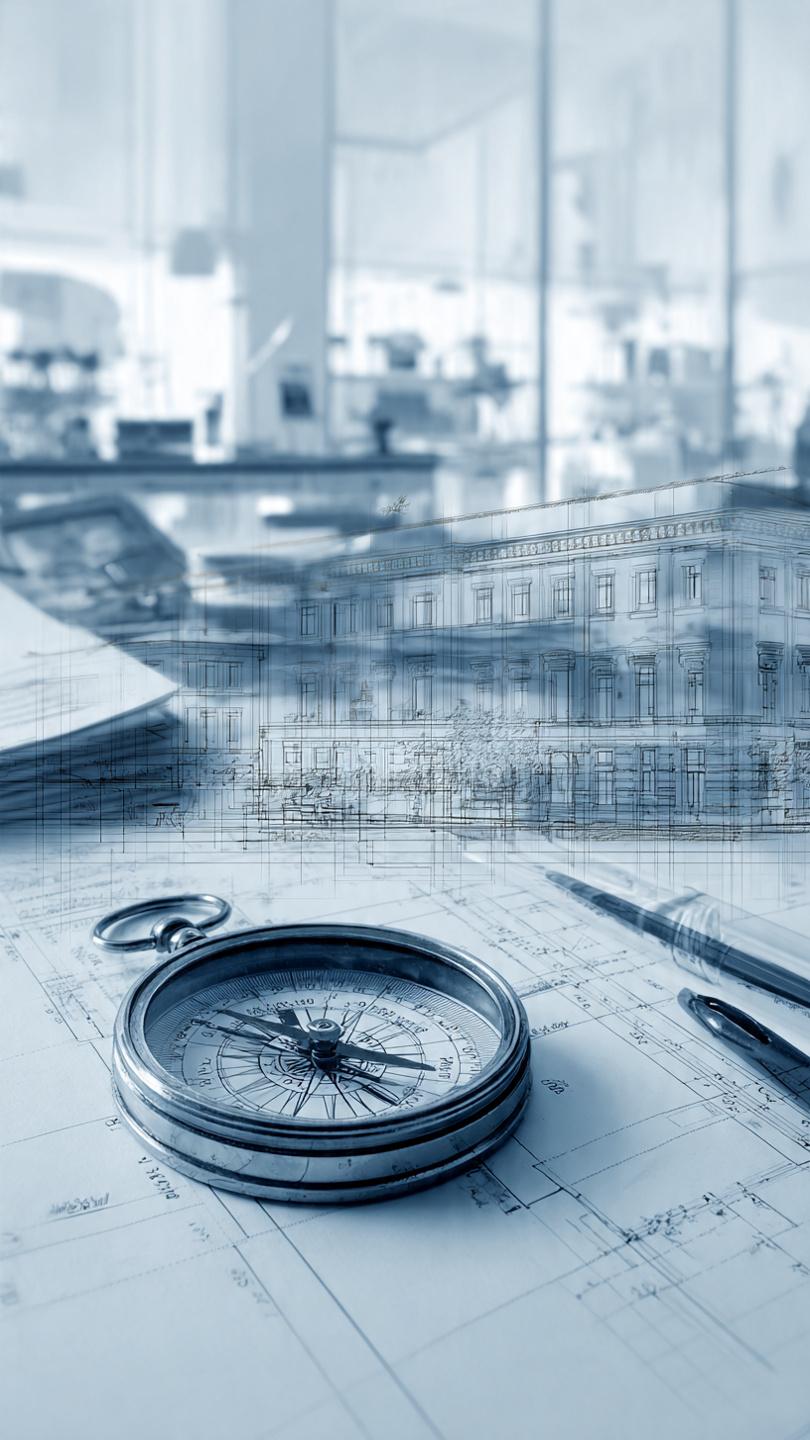
Preserving the character of historic neighborhoods while meeting modern property needs requires careful planning and professional expertise. Across the UK, homeowners, developers, and property investors often face strict regulations when making changes to properties in protected areas. Whether it is a residential extension, loft conversion, refurbishment, or commercial project, understanding conservation rules is essential for a successful outcome.
This is where HB Planning Services plays an important role. With extensive experience in architectural planning and heritage-focused design, the company helps clients navigate complex planning policies while protecting the historical value of buildings and communities.
Understanding Conservation Areas in the UK
Conservation areas are designated locations recognized for their architectural or historical importance. Local councils establish these areas to preserve their special character and ensure that future developments remain in harmony with the surrounding environment.
Properties within conservation areas are subject to additional planning controls. Even small external changes such as replacing windows, altering roofing materials, adding extensions, or modifying facades may require planning permission. Many property owners are surprised to discover that standard permitted development rights can be restricted in these zones.
Working with a professional planning consultant can help property owners avoid delays, refusals, and unnecessary expenses. Careful planning ensures that proposed changes respect local design guidelines while still meeting modern lifestyle requirements.
Why Professional Planning Advice Matters
Planning regulations in conservation areas are often more detailed than standard planning policies. Every council may have slightly different expectations regarding materials, building scale, appearance, and heritage impact.
Professional consultants understand how to prepare accurate drawings, planning statements, and heritage assessments that align with council requirements. This greatly improves the likelihood of receiving approval without repeated revisions.
Many homeowners attempt to manage applications independently, only to encounter unexpected objections or compliance issues. Seeking expert support from the beginning can save considerable time and stress throughout the planning process.
Balancing Heritage with Modern Living
One of the biggest challenges in protected areas is balancing modern living requirements with historical preservation. Families may need larger kitchens, home offices, improved insulation, or additional living space while still maintaining the original charm of the property.
A skilled Conservation Area Architect understands how to integrate contemporary design solutions without negatively impacting the surrounding environment. Sensitive architectural approaches can enhance both property functionality and heritage value at the same time.
Modern extensions, for example, can be designed using complementary materials and proportions that blend naturally with existing structures. Similarly, energy-efficient upgrades can often be incorporated discreetly to preserve traditional appearances.
The Importance of Well-Prepared Planning Applications
A successful planning application requires far more than basic drawings. Councils typically assess several important factors, including:
-
Design compatibility with surrounding buildings
-
Impact on local character and streetscape
-
Heritage significance of the property
-
Scale and visual appearance of the proposal
-
Use of traditional or sympathetic materials
-
Environmental and community considerations
Poorly prepared applications often lead to refusals or lengthy delays. Detailed planning documents supported by professional expertise demonstrate that the project has been carefully considered and complies with local conservation policies.
This is why many property owners choose HB Planning Services to guide them through the entire planning process from concept design to final approval.
Common Projects in Conservation Areas
Property owners in conservation areas often undertake projects that improve functionality while respecting heritage requirements. Some of the most common include:
Rear and Side Extensions
Extensions are popular for growing families who need additional living space. In conservation areas, extensions must be carefully designed to remain visually sympathetic to the original property.
Loft Conversions
Converting unused roof space into bedrooms or offices can add significant value to a home. However, roof alterations may require sensitive design solutions to minimize visual impact.
Window and Door Replacements
Traditional windows and doors are often key features of historic properties. Councils may require specific materials or styles to preserve architectural character.
Internal Reconfigurations
While many internal changes do not require planning permission, listed buildings and historically important properties may still need approvals before alterations begin.
Commercial Property Improvements
Businesses operating in conservation areas frequently require planning permission for signage, shopfront updates, or property refurbishments. Professional guidance helps ensure compliance with local regulations.
How Heritage-Led Design Adds Value
Thoughtful heritage-focused design does more than satisfy planning requirements. It can also increase long-term property value and improve overall aesthetic appeal.
Properties that retain their historic charm while offering modern comfort are highly desirable in the UK housing market. Buyers often appreciate homes that combine original architectural features with functional contemporary layouts.
An experienced Conservation Area Architect can identify opportunities to enhance both practicality and visual appeal while maintaining compliance with conservation policies.
Choosing the Right Planning Partner
Selecting the right planning consultant or architectural team is essential for a smooth project experience. Clients should look for professionals with:
-
Experience in conservation area projects
-
Strong understanding of local planning policies
-
Knowledge of heritage and architectural design
-
Proven success with planning approvals
-
Clear communication throughout the process
Professional guidance can make the difference between a stressful application and a successful development project.
With years of expertise supporting residential and commercial developments, HB Planning Services provides tailored planning solutions designed to meet both client goals and local authority expectations.
Conclusion
Developing or renovating property within a conservation area requires careful consideration, professional expertise, and a strong understanding of planning regulations. From heritage assessments to architectural design and planning submissions, every stage must respect the unique character of the surrounding environment.
By working with experienced professionals, property owners can confidently improve their homes or businesses while protecting historical value. Whether planning an extension, refurbishment, or restoration project, expert support helps ensure smoother approvals and better long-term results.
FAQs
What is a conservation area?
A conservation area is a location designated by local authorities because of its special architectural or historical importance. Extra planning controls are applied to preserve its character.
Do I need planning permission in a conservation area?
In many cases, yes. External changes such as extensions, roof alterations, window replacements, and cladding may require planning approval.
Can modern extensions be built in conservation areas?
Yes, modern extensions are possible when designed sensitively to complement the surrounding environment and comply with local planning guidelines.
Why should I hire a planning consultant?
A planning consultant helps prepare professional applications, reduces the risk of refusal, and ensures compliance with local regulations.
What does a heritage-focused architect do?
A heritage-focused architect designs projects that balance modern functionality with the preservation of historical and architectural character.

 English
 Arabic
 French
 Spanish
 Portuguese
 Deutsch
 Turkish
 Dutch
Dutch
 Italiano
 Russian
 Portuguese (Brazil)
 Greek
Greek